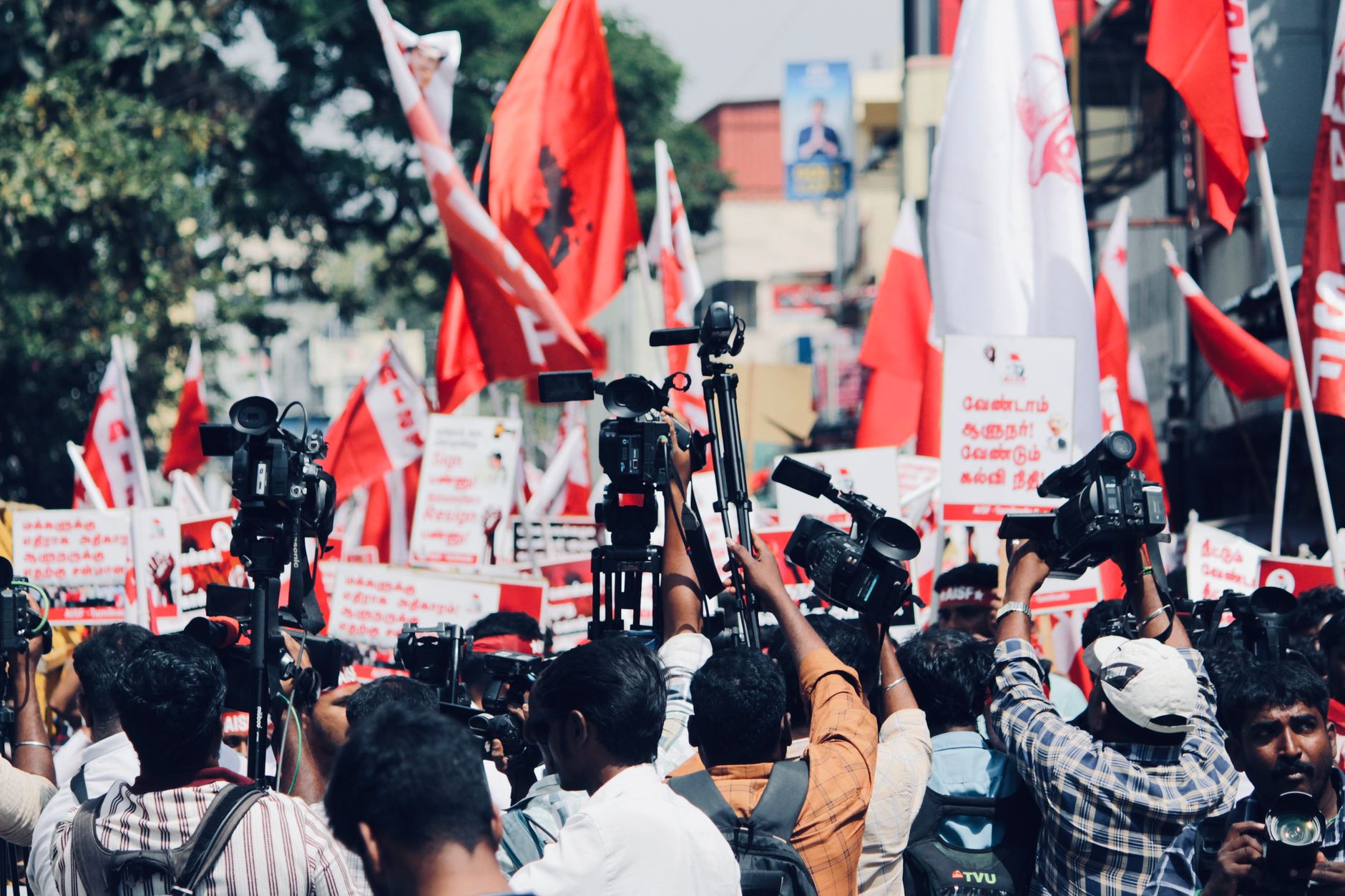
The collaboration between UNICEF India, government agencies, and leading medical institutions to train media professionals represents a crucial step toward improving public awareness about childhood non-communicable diseases (NCDs). This workshop format addresses a critical gap in health journalism while equipping reporters with the knowledge needed to communicate complex medical information to the public effectively.
Understanding Childhood NCDs in India
Non-communicable diseases in children include conditions such as congenital heart defects, childhood cancers, type 1 diabetes, asthma, and developmental disorders. Unlike infectious diseases, these conditions cannot be transmitted from person to person and often require long-term management. In India, childhood NCDs represent a growing health challenge, with estimates suggesting that these conditions affect millions of children across the country.
The burden of childhood NCDs extends beyond immediate health concerns. Families often face significant financial strain due to prolonged treatment requirements, while affected children may experience disrupted education and social development. Many of these conditions, when identified early and managed properly, can be controlled effectively, making public awareness through quality journalism essential.
The Role of Media in Health Communication
Journalists serve as vital intermediaries between the medical community and the general public. Their reporting can influence health-seeking behaviors, reduce stigma around certain conditions, and help families recognize warning signs that require medical attention. However, health reporting presents unique challenges, requiring writers to translate technical medical terminology into accessible language without sacrificing accuracy.
Poor quality health journalism can spread misinformation, create unnecessary panic, or minimize serious health threats. Conversely, well-researched, balanced reporting can empower parents to make informed decisions about their children's health, encourage preventive measures, and promote support for affected families.
What Media Capacity-Building Workshops Offer
Capacity-building workshops for journalists typically cover several key areas that enhance health reporting quality. These programs often include sessions on understanding disease mechanisms, recognizing credible information sources, and ethical considerations specific to reporting on children's health issues.
Participants usually receive training on:
- Scientific literacy and how to interpret medical research and statistics
- Interview techniques for sensitive conversations with patients and families
- Fact-checking methods to verify health claims and avoid misinformation
- Ethical guidelines for protecting children's privacy and dignity in reporting
- Access to expert networks for ongoing consultation and verification
The involvement of institutions like AIIMS brings medical expertise directly to journalists, creating opportunities for meaningful dialogue between healthcare professionals and media representatives. This interaction helps reporters understand nuances that might otherwise be missed or misrepresented in coverage.
Impact on Public Health Awareness
When journalists equipped with specialized training report on childhood NCDs, the quality of public discourse around these issues improves substantially. Accurate reporting can help dispel myths surrounding certain conditions, reduce social stigma that prevents families from seeking care, and highlight systemic healthcare challenges that require policy interventions.
In the Indian context, where health literacy varies widely across urban and rural populations and across different socioeconomic groups, the media's role becomes even more critical. Regional language reporting, informed by solid medical understanding, can reach communities that might otherwise lack access to reliable health information.
Government and International Collaboration
The partnership between UNICEF, the Press Information Bureau (PIB), and leading medical institutions demonstrates a coordinated approach to strengthening health communication infrastructure. Such collaborations acknowledge that improving public health outcomes requires not just better medical facilities but also effective communication channels that reach diverse populations.
Government agencies benefit from media professionals who understand health issues deeply, as accurate reporting can support public health campaigns and increase the reach of health advisories. Meanwhile, international organizations like UNICEF bring global best practices and resources that can be adapted to local contexts.
Moving Forward
The success of such workshops ultimately depends on sustained engagement rather than one-time training events. Building networks between journalists and health professionals, creating accessible resources for ongoing reference, and establishing feedback mechanisms all contribute to long-term improvements in health journalism quality.
As childhood NCDs continue to pose significant health challenges in India, the need for informed, sensitive, and accurate media coverage will only grow. Empowering journalists with the knowledge and tools to report effectively on these issues represents an investment in public health communication that can yield benefits across generations.
This article is for general information purposes only and should not be considered medical advice. For concerns about childhood health conditions, please consult qualified healthcare professionals.