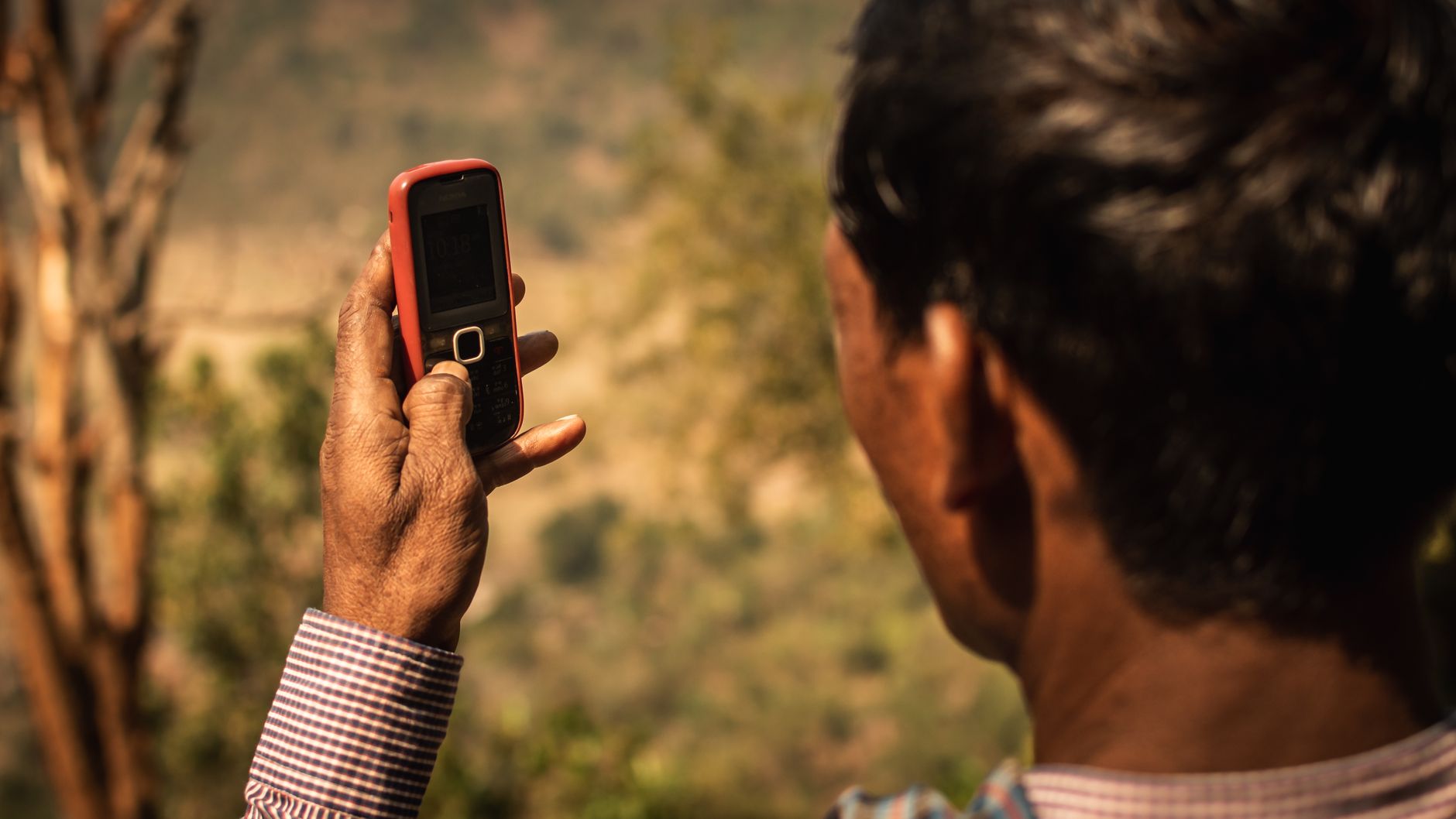
India's healthcare system faces a persistent challenge: over 70 percent of the population lives in rural areas, yet the majority of medical expertise and infrastructure remains concentrated in cities. Artificial intelligence deployed through mobile technology is emerging as a powerful solution to bridge this divide, putting clinical decision-making tools directly into the hands of frontline health workers.
The Healthcare Access Problem
India has approximately one doctor for every 1,400 people, well below the World Health Organization's recommended ratio. This shortage is particularly acute in rural regions, where community health workers, ASHA workers, and primary health center staff often serve as the first point of contact for medical care. These frontline workers typically have limited formal medical training yet must handle diverse health conditions ranging from maternal care to infectious diseases.
The traditional model of referring patients to distant district hospitals or specialty centers creates delays, increases costs, and often results in patients forgoing treatment entirely. During emergencies or for chronic conditions requiring regular monitoring, this gap can prove life-threatening.
AI-Powered Clinical Decision Support
Mobile-based AI systems are now providing frontline health workers with protocol-driven guidance that was previously available only to trained physicians. These applications use algorithms trained on vast medical databases to help workers:
- Screen patients for common conditions using symptom checkers
- Follow evidence-based treatment protocols for diagnosed conditions
- Identify warning signs that require immediate referral to higher facilities
- Track patient progress and medication adherence over time
- Generate automated reports for supervisors and health administrators
The key advantage lies in standardization. Rather than relying on individual worker knowledge, which can vary widely, AI ensures that every patient receives care consistent with established medical guidelines.
Real-World Applications
Several AI-powered health platforms are already operational across Indian states. Diagnostic tools using smartphone cameras can screen for conditions like diabetic retinopathy, anemia, and skin diseases. Voice-based AI assistants help workers navigate complex treatment algorithms during patient consultations, essentially providing a virtual specialist at the point of care.
For maternal and child health, AI applications guide antenatal care, identify high-risk pregnancies, and ensure timely vaccinations. In tuberculosis control programs, AI helps with case detection, treatment monitoring, and contact tracing. Mental health applications are also emerging, using natural language processing to provide preliminary counseling and crisis intervention.
Language and Literacy Considerations
The success of healthcare AI in India depends heavily on linguistic and cultural adaptation. Effective systems must operate in multiple Indian languages and accommodate varying literacy levels among both health workers and patients. Voice interfaces and visual aids have proven particularly valuable, allowing workers to interact with AI systems without extensive typing or reading.
Data Privacy and Connectivity Challenges
Deploying AI healthcare tools across India raises important questions about patient data privacy and security. Health records contain sensitive information, and robust frameworks must protect this data while allowing legitimate medical use. The government's Ayushman Bharat Digital Mission aims to create secure digital health infrastructure, but implementation across diverse states and systems remains ongoing.
Connectivity also poses challenges. While mobile networks have expanded dramatically, many rural areas still experience intermittent internet access. Effective healthcare AI must function offline or with minimal connectivity, syncing data when networks become available.
The Human Element
Despite AI's growing capabilities, healthcare experts emphasize that technology should augment rather than replace human judgment and compassion. AI excels at pattern recognition and protocol adherence, but the human skills of empathy, communication, and contextual understanding remain irreplaceable. The most effective model combines AI decision support with trained health workers who understand their communities.
Looking Forward
As AI systems accumulate more data from diverse Indian populations, their accuracy and relevance should improve. Integration with telemedicine platforms could further enhance capabilities, connecting frontline workers with remote specialists when AI recommendations require human verification.
The vision is democratizing healthcare expertise—ensuring that a health worker in a remote village has access to the same evidence-based protocols as a physician in a metropolitan hospital. While challenges remain, AI-powered mobile health tools represent a significant step toward equitable healthcare access across India's vast and varied landscape.
This article is for general informational purposes only and does not constitute medical advice. Always consult qualified healthcare professionals for diagnosis and treatment decisions.