The World Travel & Tourism Council (WTTC), a global authority representing the travel and tourism sector, has issued a compelling call for India to implement comprehensive visa reforms and significantly boost investments in tourism infrastructure. This recommendation comes at a critical juncture when India is positioning itself as a major global tourism destination while facing stiff competition from neighboring countries.
The Current State of Indian Tourism
India's tourism sector has rebounded strongly following the pandemic, with domestic and international arrivals showing impressive growth. The country's rich cultural heritage, diverse landscapes, and growing middle class make it an attractive destination for travelers worldwide. However, despite these inherent advantages, India captures only a small fraction of global tourism receipts compared to its potential.
The sector contributes significantly to India's GDP and employs millions across various segments including hospitality, transportation, tour operations, and ancillary services. Yet industry experts consistently point to bureaucratic hurdles and infrastructure gaps as major impediments to achieving exponential growth.
Visa-Related Challenges
One of the primary concerns highlighted by the WTTC involves India's visa processes, which many international travelers find cumbersome compared to competing destinations. While India has made strides with its e-visa facility, covering numerous countries and multiple entry categories, several pain points remain.
Processing times can be unpredictable, particularly during peak seasons when applications surge. The documentation requirements, while intended for security purposes, are often perceived as excessive by potential visitors who can access other Asian destinations with simpler procedures. Countries like Thailand, Vietnam, and Indonesia have implemented more streamlined visa-on-arrival or visa-free policies for numerous nationalities, making them more attractive options for spontaneous or short-notice travel.
Additionally, the cost of Indian visas remains higher than many competing destinations, and the validity periods sometimes do not align well with typical travel patterns, especially for business travelers who may need multiple entries throughout the year.
Infrastructure Investment Needs
Beyond visa reforms, the WTTC emphasizes the urgent need for substantial infrastructure investments across multiple dimensions of the tourism ecosystem. Despite improvements in recent years, many destinations lack adequate connectivity, accommodation options, and tourist amenities that meet international standards.
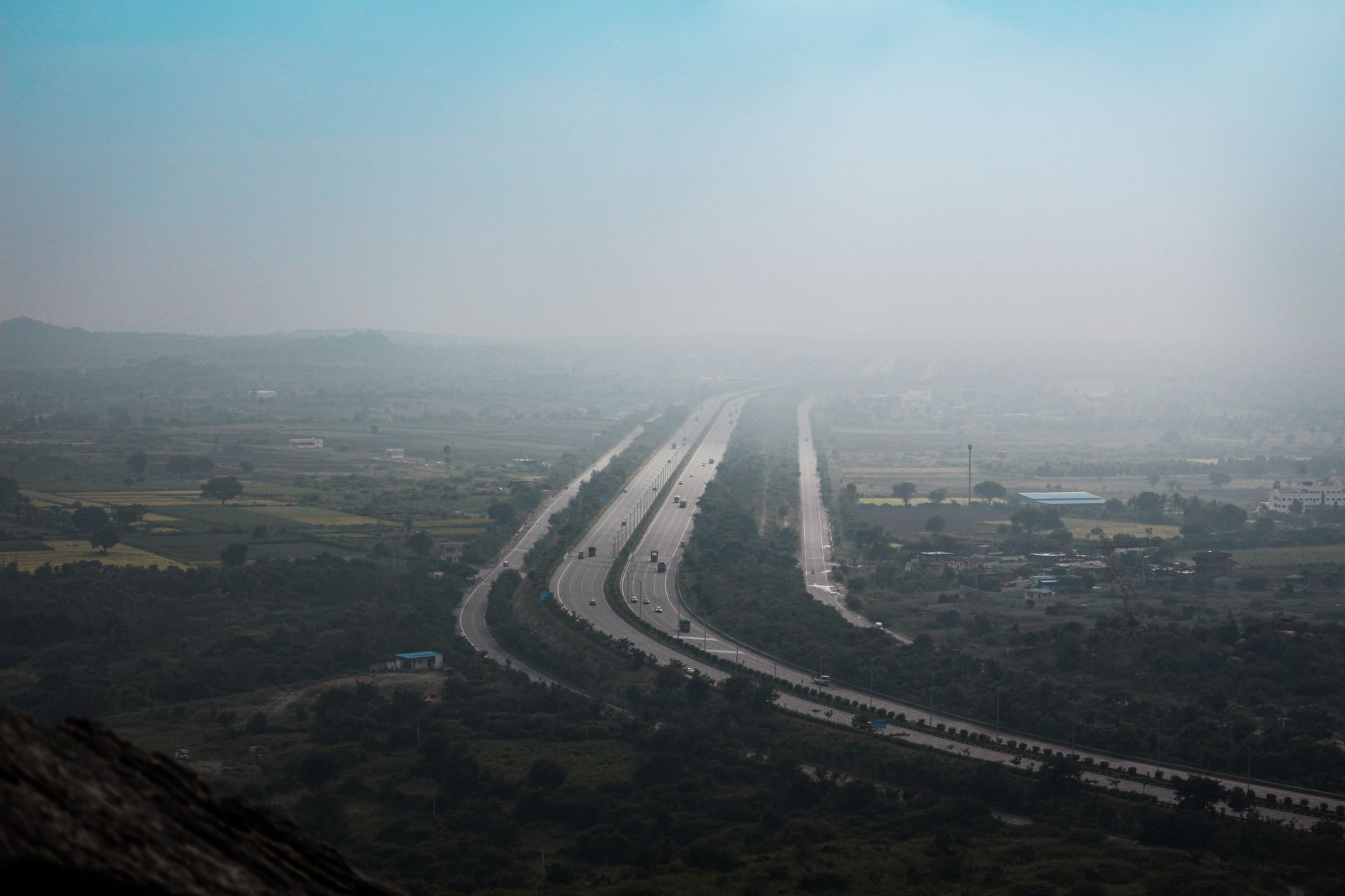
Transportation infrastructure remains a critical bottleneck. While major cities and popular tourist circuits have seen improvements, secondary destinations with significant tourism potential often lack reliable connectivity. Regional airports require expansion, road networks need upgrading, and last-mile connectivity to heritage sites and natural attractions demands attention.
The accommodation sector, particularly in emerging destinations, needs significant expansion across all price points. While luxury hotels have expanded in metropolitan areas, there is a shortage of quality mid-range and budget accommodations that appeal to the growing segment of cost-conscious international travelers and domestic tourists.
The Economic Opportunity
The economic rationale for these reforms and investments is compelling. Tourism is a labor-intensive sector that creates employment opportunities across skill levels, from entry-level positions to highly specialized roles. Enhanced tourism infrastructure benefits local communities through increased economic activity, preservation of cultural heritage, and development of entrepreneurial opportunities.
International tourism also brings valuable foreign exchange earnings and promotes cultural exchange. With proper investments, India could significantly increase its share of global tourism spending, which would have multiplier effects across the economy.
Regional Competition and Global Trends
India faces intensifying competition from regional neighbors who have aggressively reformed their tourism policies. Countries across Southeast Asia have recognized tourism as a strategic sector and implemented business-friendly policies, streamlined entry procedures, and invested heavily in destination marketing.
Global tourism trends favor destinations that offer seamless digital experiences, from visa applications to booking and payment systems. Travelers increasingly expect quick approvals, mobile-friendly processes, and integrated tourism platforms that provide comprehensive information and services.
Steps Forward
Implementing the WTTC's recommendations would require coordinated efforts across multiple government departments, from home affairs and external affairs to tourism ministries at central and state levels. Public-private partnerships could play a crucial role in accelerating infrastructure development while bringing in operational expertise and global best practices.
States with high tourism potential could serve as pilot locations for reformed visa procedures and infrastructure models that could later be scaled nationally. Technology integration, including AI-powered visa processing and digital tourism platforms, could dramatically improve visitor experiences while maintaining security standards.
The path to becoming a top global tourism destination requires India to balance security considerations with the need for visitor-friendly policies. With thoughtful reforms and strategic investments, the country could unlock its tremendous tourism potential and create lasting economic benefits for millions of citizens.