India's tourism sector is experiencing a transformative moment as the government unveils comprehensive investment incentives specifically designed to attract luxury resort development in the country's southern states. This strategic initiative marks a significant shift in India's approach to hospitality infrastructure, positioning the nation as a competitive destination for high-end international travelers and global hotel brands.
The Southern Strategy: Why These States Matter
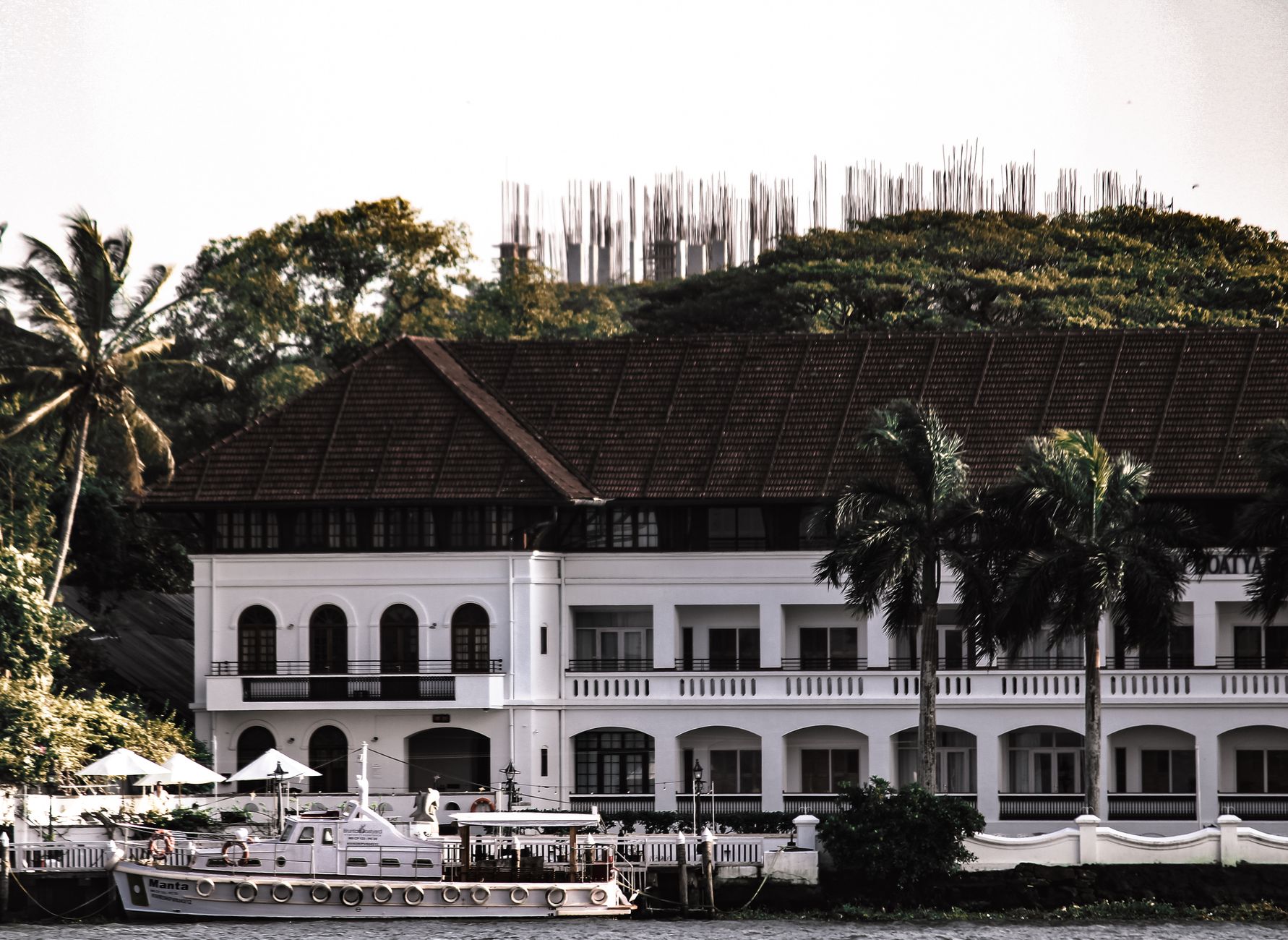
The southern states of India—including Kerala, Karnataka, Tamil Nadu, Goa, and Andhra Pradesh—offer distinct advantages that make them ideal candidates for luxury hospitality expansion. These regions combine pristine coastlines, rich cultural heritage, established tourism ecosystems, and relatively better infrastructure compared to some other parts of the country. Kerala's backwaters, Karnataka's heritage sites, and Goa's beaches already attract millions of domestic and international visitors annually, creating a proven market for upscale accommodations.
The government's focus on these states reflects their existing tourism momentum while addressing a critical gap: the shortage of internationally-branded luxury properties that meet the expectations of affluent global travelers. By concentrating initial efforts in these regions, authorities aim to create showcase destinations that can later serve as models for expansion into other states.
Understanding the Investment Incentives
While specific details vary by state, the investment packages typically include several components designed to reduce the financial barriers for major hotel groups. Tax holidays for initial operating years, reduced land lease rates in designated tourism zones, and streamlined approval processes for construction and environmental clearances form the core of these incentives.
Some states are offering capital subsidies covering portions of infrastructure development costs, particularly for properties that commit to sustainable building practices or incorporate local cultural elements into their designs. Fast-track single-window clearance systems aim to address one of the most significant pain points for international investors: India's historically complex regulatory environment.
Additionally, certain incentives target employment generation, offering benefits to properties that commit to hiring and training local workforce at various skill levels. This approach aligns economic development goals with tourism expansion, potentially creating thousands of jobs in hospitality and related sectors.
What This Means for Global Hotel Chains
Major international hospitality brands have long recognized India's potential but often hesitated due to regulatory complexity, land acquisition challenges, and infrastructure concerns. These new incentives directly address many of these historical obstacles, making market entry significantly more attractive.
For brands like Marriott, Hilton, Accor, and IHG—already present in India but seeking expansion—these measures could accelerate the opening of new properties across luxury and ultra-luxury segments. Boutique luxury groups and wellness resort specialists may find particular opportunities in Kerala and Goa, where tourism infrastructure supports experiential, high-value travel.
The timing coincides with growing global interest in India as a travel destination, driven by increased international flight connectivity, digital nomad-friendly visa policies, and the country's rising profile in global business and cultural spheres.
The 2026 Timeline and Tourism Projections
The government's focus on 2026 as a target year appears strategic, aligning with several factors. International tourism typically requires 2-3 years of planning and infrastructure development, making 2024 announcements appropriate for 2026 deliverables. This timeline also allows properties to open ahead of peak tourism seasons and benefit from anticipated continued growth in both leisure and business travel to India.
India's tourism sector has demonstrated resilience and strong recovery following pandemic disruptions, with domestic tourism surging and international arrivals steadily increasing. Projections suggest that by 2026, India could welcome substantially higher tourist numbers, particularly from high-spending markets in North America, Europe, and the Middle East.
Challenges and Considerations
Despite attractive incentives, international hotel chains will still face considerations unique to the Indian market. Maintaining consistent service standards across properties, navigating local partnership requirements in some states, and adapting to regional cultural differences remain important factors.
Infrastructure beyond individual properties—including reliable transportation links, adequate airport capacity, and destination-level amenities—will determine whether luxury development translates into sustained tourism growth. Some southern regions have these elements in place, while others continue developing them.
Environmental concerns also loom large, particularly in ecologically sensitive areas like coastal zones and hill stations. Balancing development with sustainability will be crucial for long-term success and community acceptance.
The Bigger Picture for Indian Tourism
This luxury resort initiative represents just one component of India's broader tourism ambitions. The government has simultaneously been investing in heritage site restoration, improving visa processes, and marketing India as a diverse destination offering everything from spiritual tourism to adventure travel.
For travelers, these developments promise more accommodation options at international standards, potentially making previously underserved destinations more accessible. For India's economy, successful execution could generate substantial foreign exchange earnings, create employment across skill levels, and stimulate related sectors from aviation to handicrafts.
The coming months will reveal which hotel groups commit to these opportunities and how quickly projects materialize from incentive announcements to operational properties welcoming guests.