The global tourism landscape is undergoing a fundamental transformation. Travellers today increasingly seek meaningful connections and authentic experiences rather than simply ticking off landmark visits. This shift toward experiential travel—where the focus is on immersion, interaction, and personal growth—represents both a challenge and an unprecedented opportunity for destinations worldwide. India, with its unparalleled diversity and depth of cultural offerings, stands uniquely positioned to become a global leader in this emerging travel paradigm.
Understanding the Experiential Travel Revolution
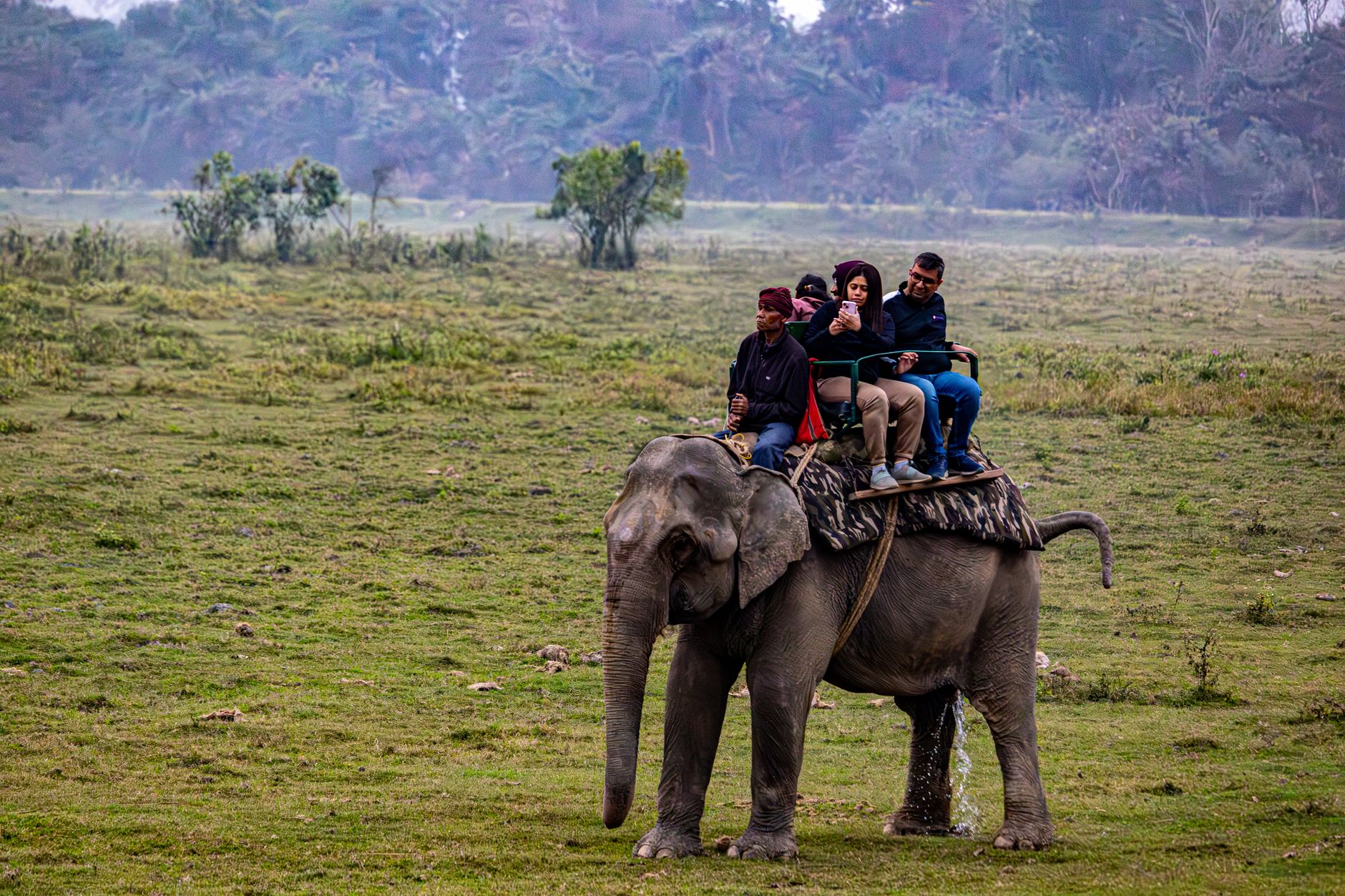
Experiential travel moves beyond traditional tourism's surface-level engagement with destinations. Instead of merely visiting monuments or staying in hotels, travellers seek to live like locals, learn traditional skills, participate in cultural practices, and forge genuine connections with communities. This might involve cooking classes with village families, participating in harvest festivals, learning ancient crafts from master artisans, or staying in heritage homes where history comes alive through personal stories.
The driving forces behind this shift are multiple. Millennials and Gen Z travellers, who now constitute a significant portion of the global tourism market, prioritize experiences over possessions. Social media has created demand for unique, shareable moments that go beyond conventional tourist photos. Additionally, post-pandemic travellers increasingly value meaningful connections and personal transformation through their journeys.
India's Natural Advantages
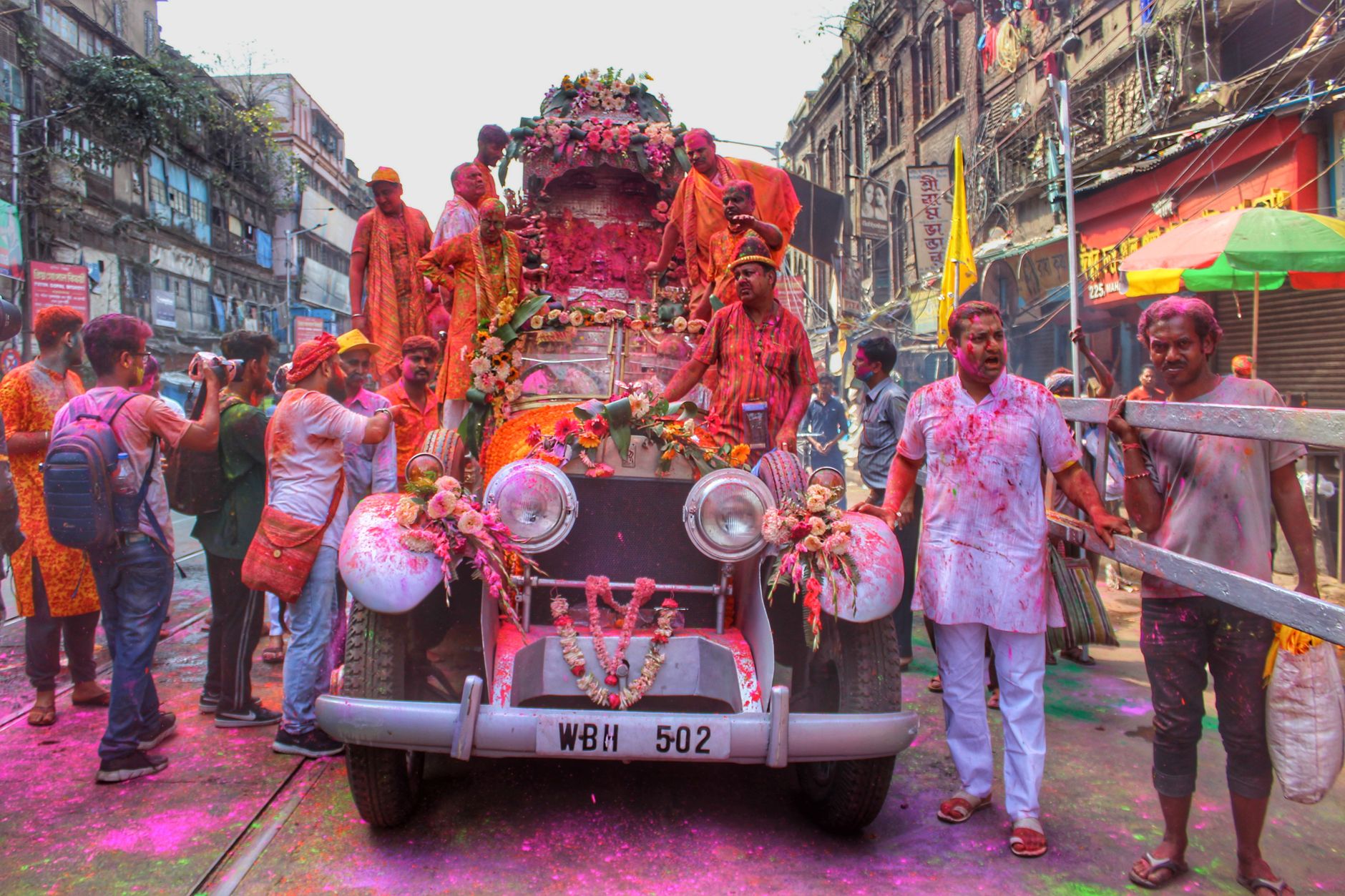
India's extraordinary position in the experiential travel market stems from several inherent strengths. The country offers an almost overwhelming diversity of cultures, languages, cuisines, and traditions within a single destination. A traveller can experience Himalayan Buddhist culture in Ladakh, royal heritage in Rajasthan, backwater village life in Kerala, and tribal traditions in the Northeast—each offering genuinely distinct and immersive experiences.
The nation's living traditions provide authentic experiences that many other destinations can only present as museum pieces. Yoga and meditation in their birthplace, learning classical dance forms that have existed for millennia, participating in age-old festivals, or studying Ayurveda at traditional centres offer the depth and authenticity that experiential travellers crave.
India's craft heritage presents another significant advantage. From block printing in Rajasthan to pottery in Manipur, from weaving in Varanasi to metalwork in Tamil Nadu, visitors can learn directly from artisans whose families have perfected these skills across generations. These interactions provide economic benefits to local communities while offering travellers irreplaceable experiences.
Challenges to Address
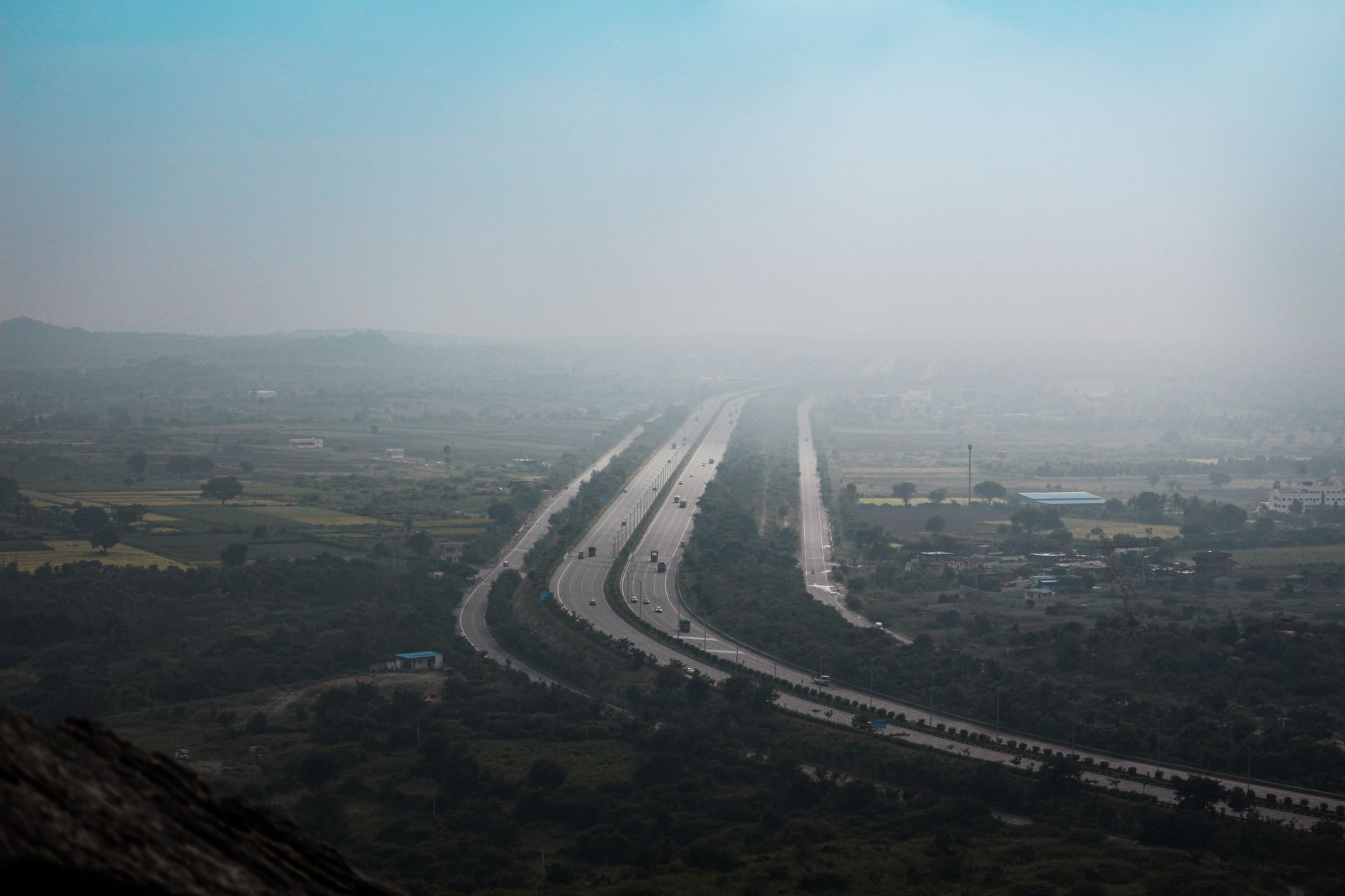
Despite these advantages, India faces certain obstacles in fully capitalizing on the experiential travel boom. Infrastructure in many culturally rich regions remains underdeveloped, making access difficult for international tourists. Quality accommodation that balances comfort with authenticity is limited outside major tourist circuits.
Many local communities, while possessing invaluable cultural knowledge, lack the training and resources to engage with international tourists effectively. Language barriers, understanding tourist expectations, and basic hospitality training remain gaps that need systematic addressing.
Safety perceptions and concerns about hygiene standards continue to deter some potential visitors, particularly solo female travellers. Building confidence through improved facilities and security measures is essential.
The Path Forward
Successfully capturing the experiential travel market requires strategic development. Investment in homestay networks and community-based tourism initiatives can create authentic accommodation options while directly benefiting local economies. These should maintain cultural integrity rather than creating artificial "experiences" for tourists.
Skill development programs for local communities can equip them to serve as guides, hosts, and cultural ambassadors. Training in languages, hospitality basics, and cultural interpretation can help bridge the gap between authentic traditions and tourist expectations.
Digital platforms that connect travellers directly with local experience providers can democratize tourism benefits beyond traditional operators. Such platforms should ensure fair pricing and authentic offerings while providing quality assurance for visitors.
Regional governments and tourism boards must invest in improving basic infrastructure—roads, connectivity, sanitation—in culturally significant areas without compromising their character. Balanced development that enhances accessibility while preserving authenticity is crucial.
Conclusion
The experiential travel revolution offers India an opportunity to redefine its position in global tourism. By leveraging its unmatched cultural wealth while addressing infrastructure and capability gaps, India can attract high-value travellers seeking transformation rather than just vacation. This approach not only promises economic benefits but also creates sustainable tourism models that preserve and celebrate India's living heritage for future generations.