India's tourism industry is making a concerted push for policy reforms aimed at transforming the country into a more accessible and traveler-friendly destination. As global travel rebounds and competition among tourist destinations intensifies, industry leaders are highlighting critical pain points that need addressing to capture a larger share of international and domestic tourism markets.
The Current State of India's Tourism Sector
India attracted approximately 9.2 million foreign tourist arrivals before the pandemic, ranking among the top 20 global destinations. However, this number represents only a fraction of the country's potential given its diverse cultural heritage, natural landscapes, and historical significance. Industry experts believe that procedural bottlenecks and policy gaps are preventing India from competing effectively with Southeast Asian neighbors like Thailand, Vietnam, and Indonesia.
The tourism sector's contribution to GDP and employment makes these reforms particularly urgent. With millions of livelihoods dependent on travel-related activities, streamlining the visitor experience could generate substantial economic benefits across the hospitality, transport, and service sectors.
Key Visa Reform Proposals
The industry has identified visa processing as a primary deterrent to hassle-free travel. Current proposals include expanding the e-visa facility to cover more nationalities and entry points. While India introduced e-visas for several categories, many travelers still face lengthy processing times and limited validity options.
Industry bodies are advocating for visa-on-arrival facilities at more international airports and land borders. This would align India with regional competitors and eliminate the advance planning barrier that discourages spontaneous travel. Additionally, extending visa validity periods and introducing multi-year tourist visas could encourage repeat visitors who wish to explore different regions across multiple trips.
Another proposal involves simplifying the documentation requirements, which currently include detailed itineraries and hotel confirmations that can be challenging for independent travelers or those planning flexible journeys.
Infrastructure and Connectivity Improvements
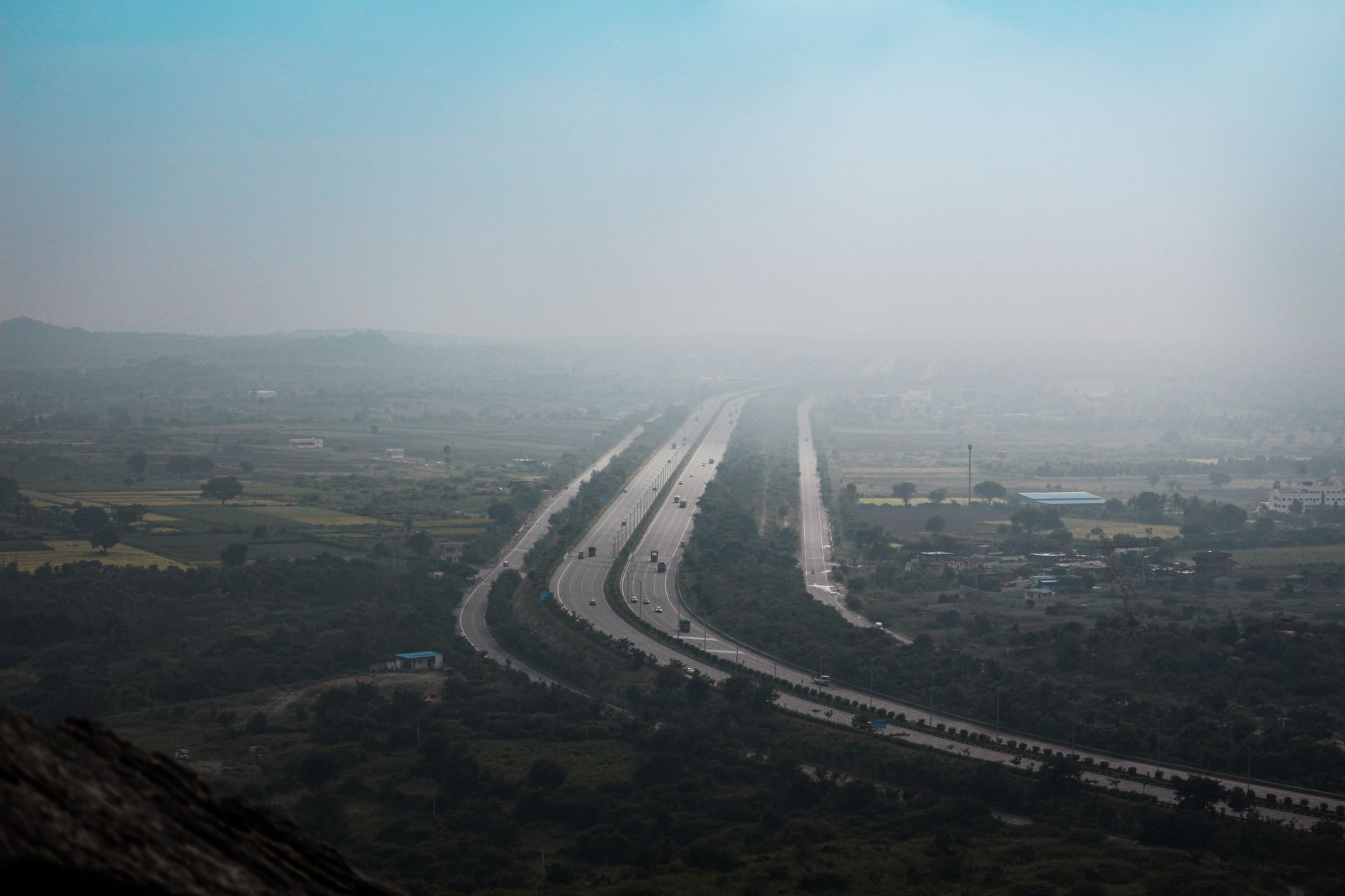
Beyond visa issues, the tourism sector is seeking policy support for infrastructure development. This includes better connectivity between major tourist circuits and lesser-known destinations that could benefit from increased visitor traffic. Improved road networks, dedicated tourist transportation services, and enhanced last-mile connectivity feature prominently in industry recommendations.
The sector also emphasizes the need for standardized quality benchmarks across accommodation, tour operators, and tourist services. Policy frameworks that incentivize quality upgrades while remaining accessible to small and medium enterprises could elevate overall service standards.
Digital Integration and Technology Adoption
Tourism stakeholders are pushing for integrated digital platforms that consolidate travel information, bookings, and support services. A unified system could handle everything from visa applications to itinerary planning, accommodation booking, and emergency assistance, creating a smoother end-to-end experience.
Digital payment infrastructure improvements remain crucial, particularly in smaller towns and rural tourist destinations where cash dependency persists. Policy support for wider acceptance of international cards and mobile payment systems would reduce transaction friction for foreign visitors.
Sustainable Tourism Policies
Industry representatives are also advocating for balanced policies that promote tourism while protecting environmental and cultural heritage. This includes frameworks for managing tourist loads at popular sites, promoting off-season travel, and developing alternative destinations to distribute visitor pressure.
Incentives for eco-friendly practices in the hospitality sector, such as tax benefits for sustainable operations or certification programs for green hotels, form part of these proposals.
Regulatory Streamlining
The tourism industry faces multiple regulatory touchpoints across central, state, and local governments. Stakeholders are requesting a single-window clearance system for tourism-related licenses and permits. This would reduce compliance burden for businesses and accelerate project implementations for new tourist facilities.
Harmonizing state-level tourism policies with national objectives could also eliminate inconsistencies that create confusion for both operators and travelers.
Regional Tourism Development
Policy proposals include focused development of regional tourism circuits that showcase India's diversity while distributing economic benefits more equitably across states. Special economic packages for developing tourism infrastructure in northeastern states, Himalayan regions, and coastal areas could unlock new destinations while reducing pressure on overvisited locations.
The success of these policy reforms depends on coordinated action between government agencies, private sector players, and local communities. As global travel patterns evolve and travelers seek authentic, convenient experiences, India's ability to implement these changes could determine its competitiveness in the global tourism market for years to come.