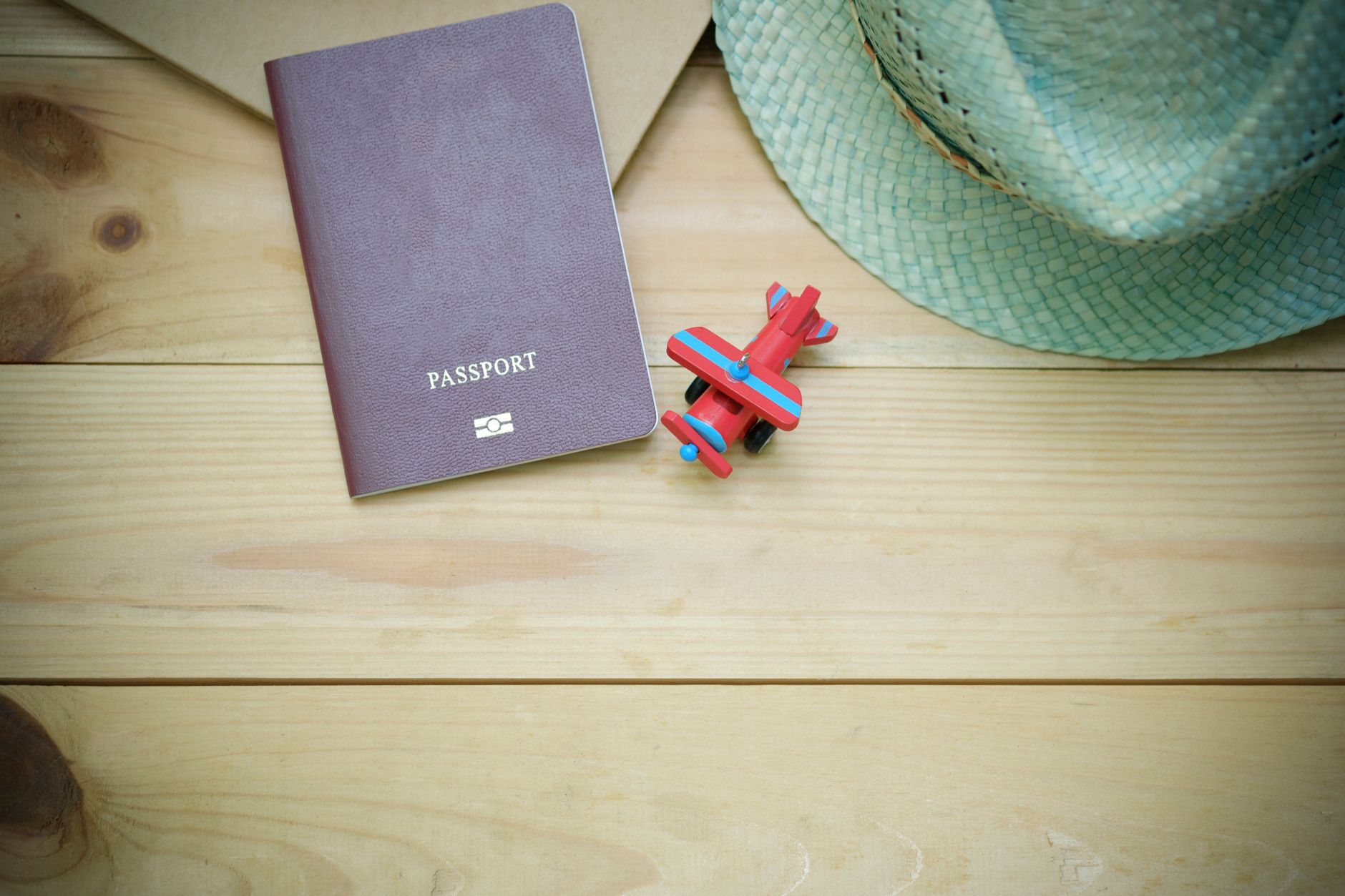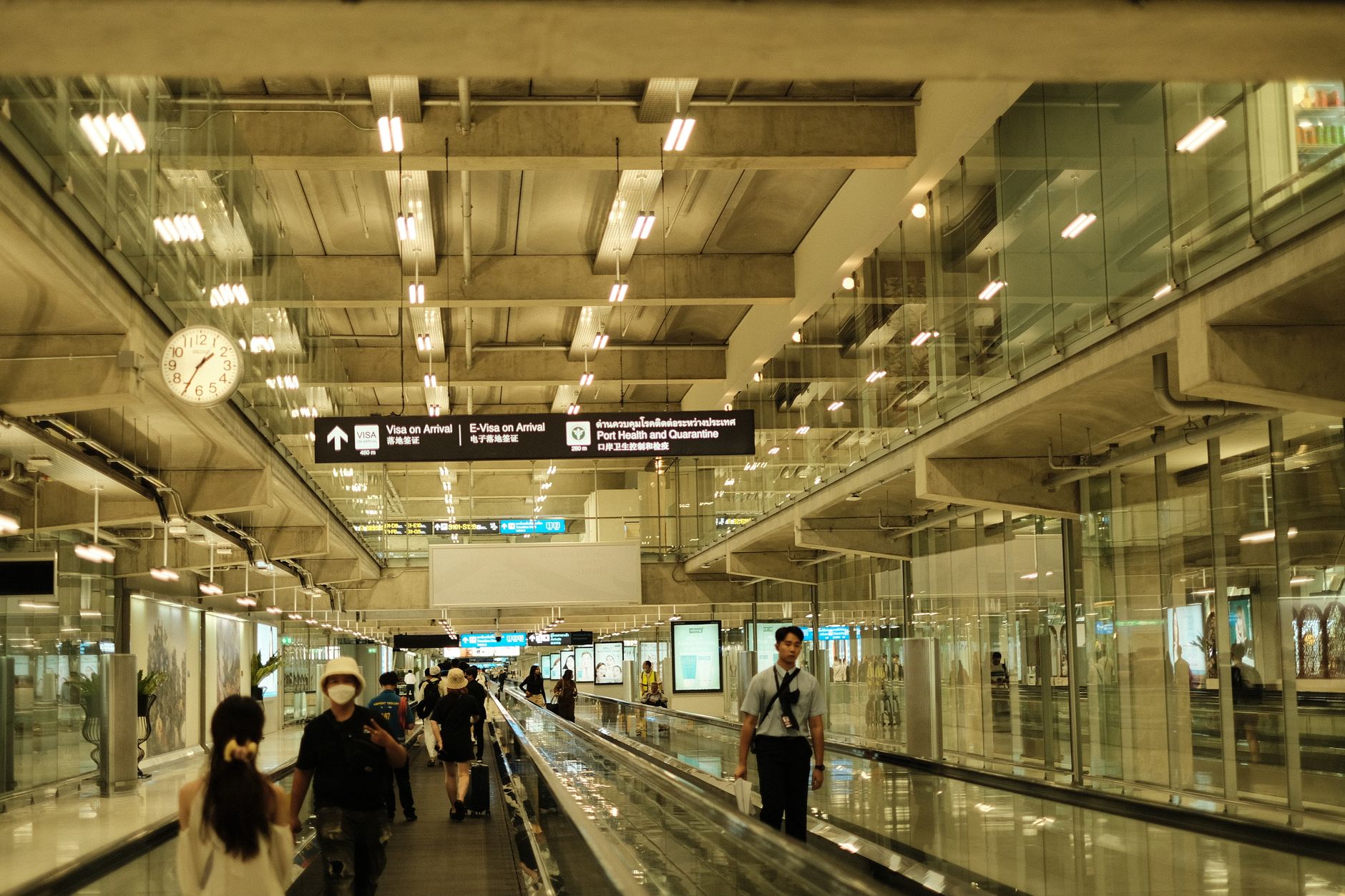
Thailand has reaffirmed its commitment to the Indian tourism market by continuing visa-free entry for Indian nationals, even as the Southeast Asian nation grapples with a significant decline in overall tourist arrivals. The move signals Thailand's recognition of India as a crucial source market and its determination to rebuild tourism ties that were severely impacted by the global pandemic.
The Strategic Importance of Indian Tourists
India has emerged as one of Thailand's most valuable tourism markets over the past decade. Indian travellers contribute substantially to Thailand's tourism revenue, with families, honeymooners, and business travellers forming a diverse visitor base. The Land of Smiles has long been a favourite destination for Indians due to its proximity, affordability, cultural attractions, and vibrant nightlife.
Thai authorities understand that maintaining easy access for Indian tourists is essential for economic recovery. The visa-free entry removes bureaucratic hurdles that might otherwise deter spontaneous travel decisions, making Thailand more competitive against other destinations vying for Indian tourists.
Understanding the New 30-Day Stay Rule
The revised regulations now permit Indian nationals to stay in Thailand for up to 30 days without a visa, an extension from previous shorter-duration exemptions. This change represents a significant enhancement in travel flexibility, allowing visitors more time to explore the country without the stress of visa runs or extensions.
The 30-day window opens up new possibilities for different types of travel. Extended family holidays become more practical, allowing travellers to explore multiple regions beyond Bangkok and Phuket. Business visitors can combine meetings with leisure activities without feeling rushed. Digital nomads and remote workers gain breathing room to experience Thai culture while maintaining their professional commitments.
Impact on Travel Planning
This policy shift fundamentally changes how Indians can approach their Thai adventures. Previously, shorter visa-free periods meant travellers had to meticulously plan itineraries or deal with visa extension paperwork. The 30-day allowance eliminates these constraints.
Tour operators are already redesigning packages to take advantage of the extended duration. Multi-city itineraries that include Bangkok, Chiang Mai, Phuket, and Krabi are becoming more viable. Travellers can now consider slower-paced trips that include wellness retreats, cooking classes, and deeper cultural immersion experiences.
Addressing the Tourist Decline
Despite maintaining attractive policies for Indian visitors, Thailand has experienced a notable drop in tourist arrivals across all markets. Several factors contribute to this decline, including economic uncertainties, changing travel patterns post-pandemic, and increased competition from emerging destinations.
The Thai government's decision to preserve visa-free access for Indians demonstrates a long-term strategic approach rather than reactive policy-making. By keeping entry barriers low during challenging times, Thailand positions itself favourably for when travel demand rebounds.
Business Travel Opportunities
The 30-day visa-free provision particularly benefits business travellers. India and Thailand share growing trade relationships, with numerous Indian companies operating in Thailand and vice versa. Extended stays facilitate comprehensive business dealings, site visits, negotiations, and relationship building that shorter trips cannot accommodate.
Entrepreneurs exploring business opportunities in Thailand can now conduct thorough market research and establish connections without visa complications. This ease of access strengthens bilateral economic ties beyond tourism.
What Travellers Should Know
Indian passport holders can enter Thailand without a prior visa and stay for up to 30 days for tourism or certain business activities. However, travellers must meet standard entry requirements including valid passports with at least six months validity, proof of onward travel, and adequate financial means.
The visa exemption does not permit employment or long-term residence. Those planning extended stays beyond 30 days for work, study, or other purposes must apply for appropriate visas through Thai embassies or consulates in India.
Future Tourism Growth Prospects
Thailand's tourism industry remains optimistic about recovery, with Indian travellers expected to play a pivotal role. The country continues investing in infrastructure improvements, new attractions, and marketing campaigns targeted at Indian audiences.
Airlines are expanding routes between Indian and Thai cities, improving connectivity beyond major hubs. This increased accessibility, combined with favourable visa policies, creates conditions for sustained tourism growth once global travel fully normalizes.
The visa-free policy for Indian nationals represents Thailand's confidence in this partnership and its willingness to facilitate travel even during uncertain times. As both nations continue strengthening ties, Indian travellers can look forward to hassle-free Thai adventures with unprecedented flexibility.
This article provides general information about Thailand's visa policies for Indian travellers. Entry requirements and regulations may change, so always verify current rules with official Thai immigration authorities or embassies before making travel plans.