Taiwan has introduced a fresh approach to engaging with the Indian travel industry through a co-funded familiarization trip model, signaling the island nation's commitment to capturing a larger share of India's rapidly expanding outbound tourism market. This strategic initiative by the Taiwan Tourism Administration represents a departure from traditional destination marketing tactics and reflects the evolving dynamics between Asian tourism destinations and the Indian travel trade.
Understanding the FAM Trip Model
Familiarization trips, commonly known as FAM trips in the travel industry, are educational tours organized by tourism boards or destinations for travel agents, tour operators, and travel journalists. These trips allow trade professionals to experience a destination firsthand, enabling them to better sell and promote it to their clients. The traditional model typically sees the destination covering most or all costs, but Taiwan's co-funded approach introduces shared financial responsibility.
In this new model, both the Taiwan Tourism Administration and participating Indian travel companies share the expenses associated with organizing and executing these familiarization tours. This partnership-based approach creates a different dynamic where Indian travel trade partners have skin in the game, potentially leading to more committed engagement and follow-through in promoting Taiwan as a destination.
Why Taiwan Is Focusing on India
India's outbound tourism market has witnessed remarkable growth over the past decade, with millions of Indian travelers venturing abroad annually for leisure, business, and education. The Indian middle class continues to expand, bringing with it increased disposable income and a growing appetite for international travel experiences.
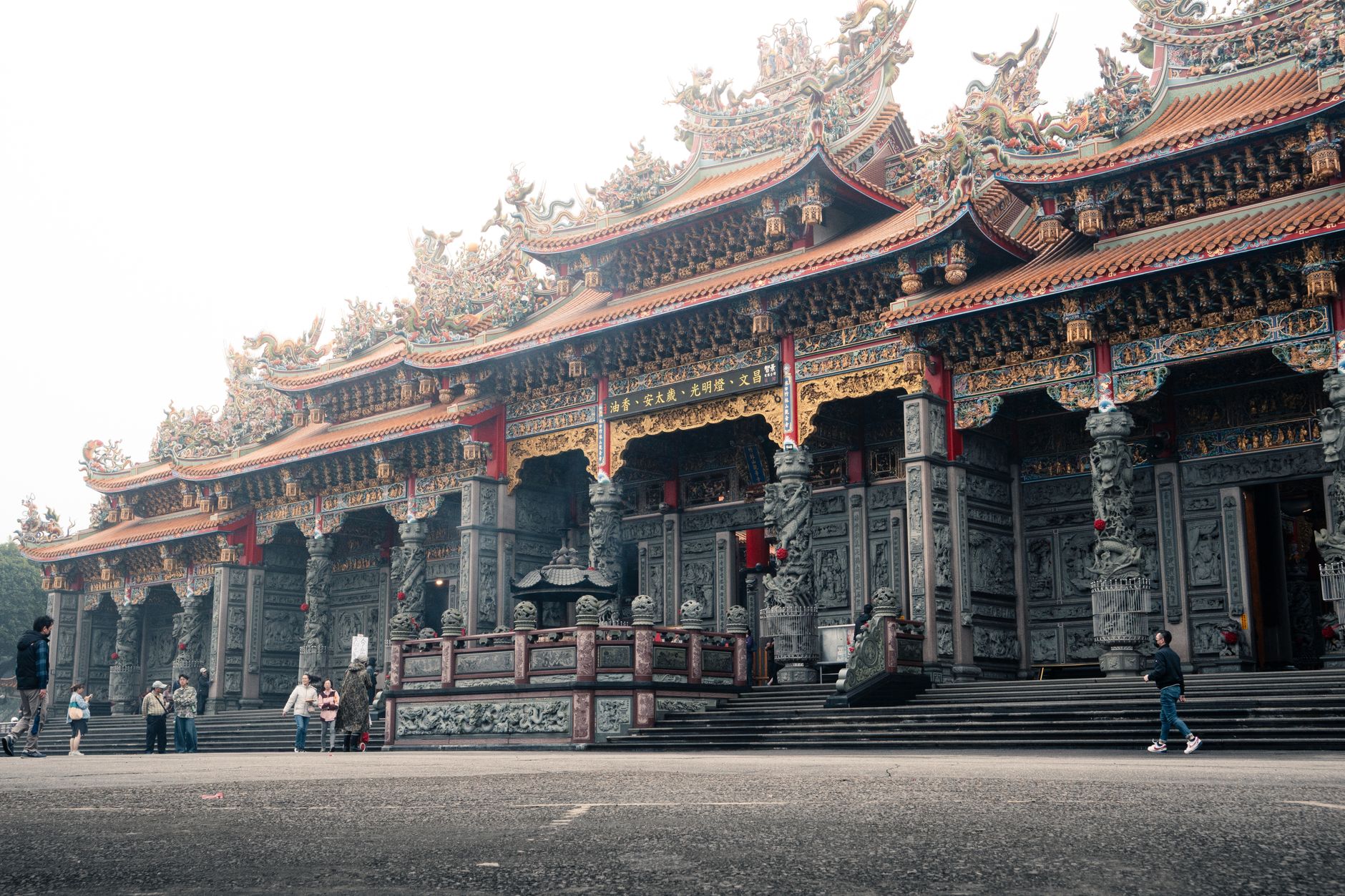
Taiwan offers several attractions that align well with Indian traveler preferences. The destination combines modern urban experiences in cities like Taipei with natural beauty, including hot springs, mountain landscapes, and coastal areas. Additionally, Taiwan's reputation for safety, cleanliness, excellent public transportation, and unique cultural experiences makes it an attractive proposition for Indian tourists seeking alternatives to more traditional Asian destinations.
The visa-free entry policy for Indian travelers holding valid visas from certain countries, along with improving air connectivity, has further enhanced Taiwan's accessibility for the Indian market.
Benefits of the Co-Funded Approach
The co-funded model offers advantages for both parties involved. For Taiwan, this approach ensures that participating travel companies are genuinely invested in learning about and promoting the destination. When agents contribute financially, they are more likely to prioritize the destination in their product portfolio and actively market Taiwan tour packages upon returning.
For Indian travel companies, the cost-sharing arrangement makes participation more accessible than self-funded research trips while demonstrating their commitment to destination partners. This can lead to stronger relationships with Taiwan's tourism stakeholders, potentially resulting in preferential treatment, better rates, and more extensive support for marketing initiatives.
Impact on Product Development
These familiarization trips serve a crucial role in product development for tour operators. By experiencing Taiwan's attractions, accommodations, restaurants, transportation systems, and local culture firsthand, travel agents can design more authentic and appealing tour packages for Indian customers.
Travel professionals can identify which experiences resonate most with Indian sensibilities, understand logistical considerations, establish relationships with local suppliers, and gather content for marketing materials. This ground-level intelligence is invaluable when crafting itineraries that balance must-see attractions with off-beaten-path experiences.
Broader Implications for Destination Marketing
Taiwan's adoption of this model may signal a broader shift in how destinations approach travel trade engagement, particularly in competitive markets like India where multiple Asian and international destinations vie for attention. The co-funded approach acknowledges that effective destination marketing requires genuine partnerships rather than one-sided promotional efforts.
This model also reflects the maturing relationship between Asian tourism boards and the Indian travel trade. As Indian outbound tourism grows in sophistication, destinations are moving beyond basic awareness campaigns toward deeper, more collaborative engagement strategies.
The Road Ahead
Success will ultimately be measured by whether these co-funded FAM trips translate into increased tourist arrivals from India to Taiwan and stronger, more sustainable business relationships between Taiwanese tourism stakeholders and Indian travel companies. The model's effectiveness will depend on careful selection of participating agents, well-designed itineraries, and robust follow-up mechanisms to track results and maintain momentum.
As competition for Indian tourists intensifies across Asian destinations, innovative approaches like Taiwan's co-funded FAM model may become increasingly common, reshaping how destinations and travel trade partners collaborate in the evolving tourism landscape.