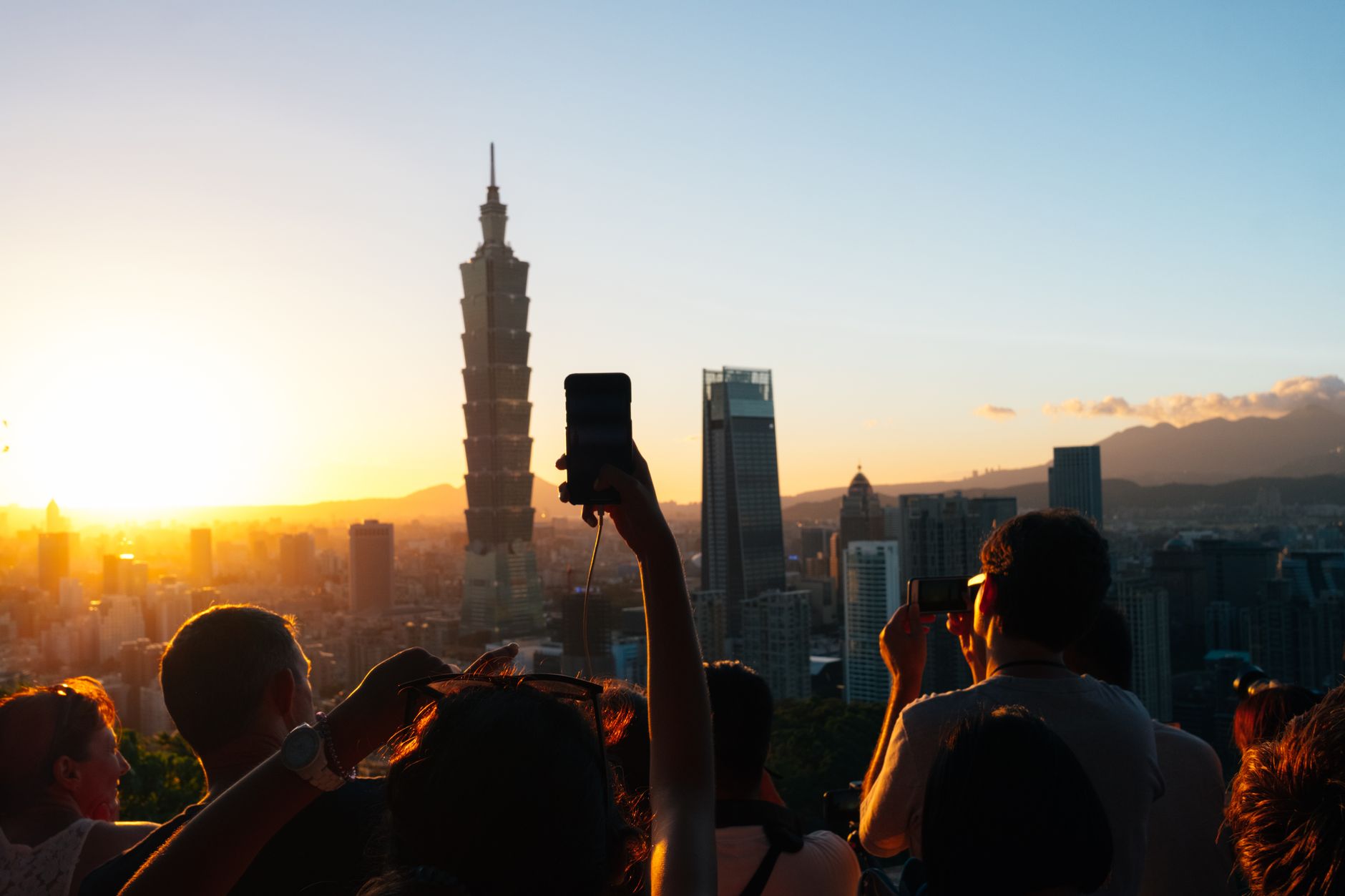
Taiwan has emerged as an increasingly attractive destination for Indian travelers, and the Taiwan Tourism Bureau is now taking an innovative approach to capture this growing market. By adopting a co-investment familiarization (FAM) trip model with Indian travel industry partners, Taiwan is moving beyond traditional marketing tactics to create a more sustainable and engaged relationship with the Indian tourism sector.
Understanding the Co-Investment FAM Model
Familiarization trips have long been a staple of destination marketing, where tourism boards invite travel agents, tour operators, and media representatives to experience a destination firsthand. However, the traditional model typically sees the destination bearing the entire cost of these trips. Taiwan's co-investment approach asks Indian partners to share in the expenses, creating a model where both parties have financial skin in the game.
This shared investment structure means that participating Indian travel companies contribute a portion of the costs associated with the FAM trip, while Taiwan Tourism covers the remainder. The exact split can vary, but the principle remains the same: when partners invest their own resources, they're more likely to be genuinely committed to promoting the destination rather than simply enjoying a free trip.
Why Taiwan is Targeting Indian Travelers
The Indian outbound tourism market has experienced remarkable growth over the past decade, with millions of Indians traveling abroad annually for leisure, business, and educational purposes. Several factors make Taiwan an attractive proposition for Indian tourists.
Taiwan offers a unique blend of Chinese cultural heritage, Japanese influences from its colonial period, and its own distinct identity. The island nation features dramatic landscapes ranging from mountain peaks to pristine coastlines, night markets brimming with culinary delights, and modern cities alongside traditional temples.
For Indian travelers, Taiwan presents relatively easier visa processes compared to some other East Asian destinations, a growing awareness of halal food options, and increasingly affordable travel packages. The destination has also been actively working to improve its India-friendliness through Hindi signage in tourist areas and training hospitality staff to understand Indian preferences.
Benefits of the Co-Investment Approach
The co-investment model creates several advantages over traditional FAM trips. When travel agents and tour operators invest their own money, they typically conduct more thorough research, ask more pertinent questions, and pay closer attention to details that will help them sell the destination effectively. This leads to more authentic and enthusiastic promotion once they return to India.
Additionally, this model allows Taiwan Tourism to work with partners who are serious about adding Taiwan to their portfolio rather than those seeking complimentary travel. It helps identify committed partners who see genuine business potential in the Taiwan-India corridor. The shared financial commitment also enables Taiwan Tourism to organize more frequent FAM trips with smaller, focused groups rather than occasional large groups, allowing for more personalized experiences and better relationship building.
Potential Challenges and Considerations
While innovative, the co-investment model isn't without challenges. Smaller travel agencies with limited budgets might find it difficult to participate, potentially limiting the diversity of partners. There's also the question of return on investment—travel companies need to be convinced that their financial contribution will translate into bookable products and actual sales.
Taiwan will need to demonstrate clear business outcomes from these trips, including detailed itineraries that can be directly converted into marketable tour packages, transparent pricing structures that allow for competitive package rates, and strong support materials that agents can use immediately upon returning to promote Taiwan.
The Broader Strategy
This co-investment FAM model appears to be part of Taiwan's broader strategy to establish itself as a must-visit destination for Indian travelers. Beyond FAM trips, Taiwan has been increasing its presence at Indian travel trade shows, developing partnerships with Indian airlines for better connectivity, and creating India-specific travel content across digital platforms.
The destination is also focusing on niche segments such as MICE tourism (meetings, incentives, conferences, and exhibitions), honeymoon travel, and cycling tourism, areas where Taiwan has strong offerings that align well with Indian traveler interests.
As competition for Indian tourist dollars intensifies across Asian destinations, Taiwan's willingness to experiment with partnership models demonstrates an understanding that sustainable tourism growth requires genuine collaboration rather than one-sided promotional efforts. The success of this co-investment approach could potentially influence how other destinations engage with the rapidly growing Indian travel market.