India's travel and tourism sector stands at the cusp of a transformative decade, with projections indicating substantial growth in its contribution to the national economy by 2034. As one of the world's fastest-growing major economies, India's tourism industry is expected to play an increasingly vital role in job creation, foreign exchange earnings, and overall economic development.
Current State of India's Tourism Economy
The travel and tourism sector has historically been a significant contributor to India's GDP, encompassing direct impacts from hotels, airlines, travel agencies, and tourist attractions, as well as indirect contributions from supply chains, capital investment, and induced spending by employees in the sector. The industry supports millions of jobs across the country, from metropolitan cities to remote villages that benefit from heritage and eco-tourism initiatives.
Following the pandemic-induced slowdown that severely affected global travel, India's tourism sector has demonstrated remarkable recovery. Domestic tourism has rebounded strongly, with Indians increasingly exploring their own country's diverse offerings, from the Himalayan peaks to tropical beaches, from ancient temples to modern entertainment destinations.
Factors Driving Growth Through 2034
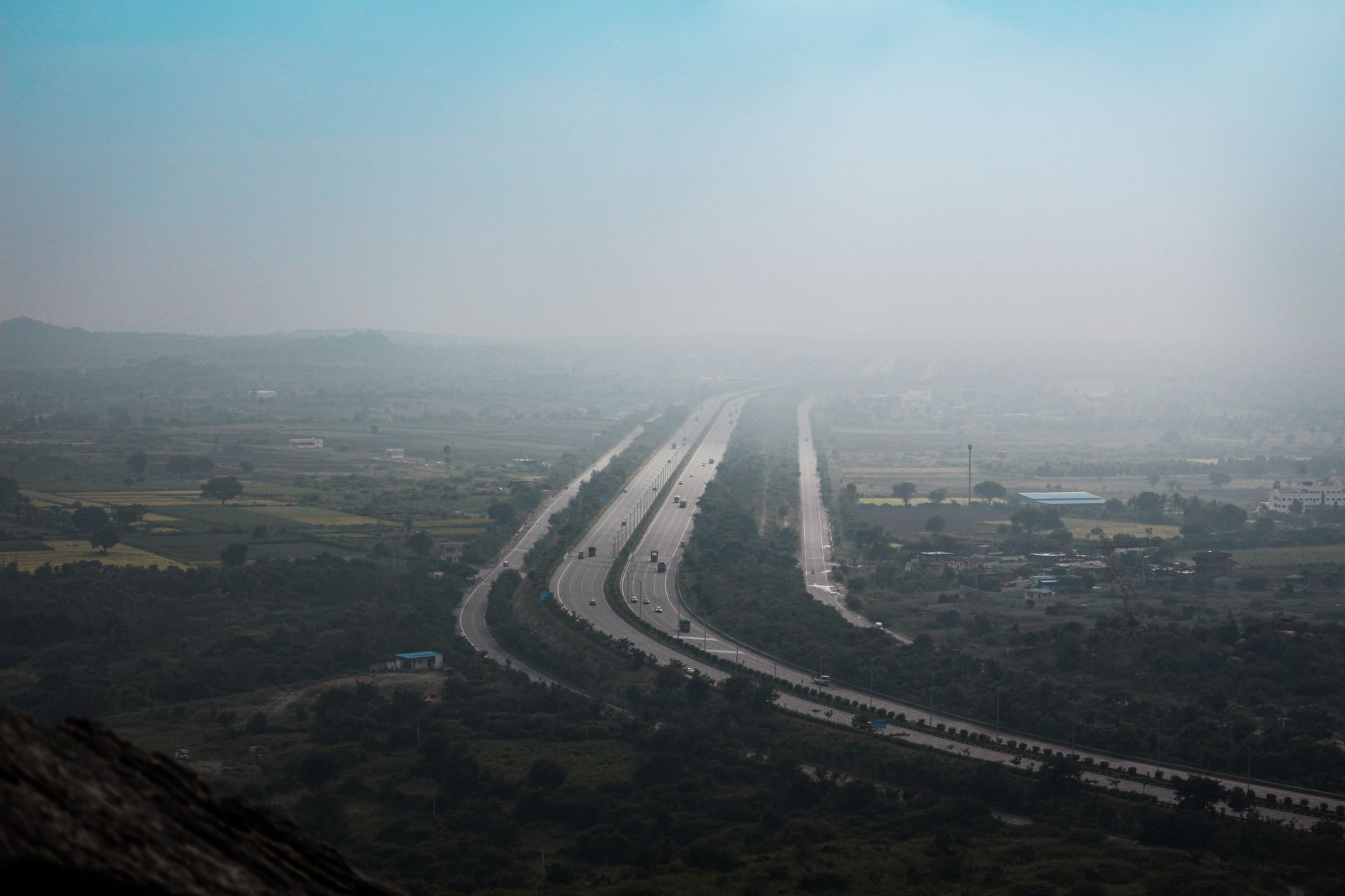
Several key factors are expected to propel tourism's contribution to India's GDP over the next decade. Infrastructure development remains paramount, with the government investing heavily in airport expansion, road connectivity, and tourist amenities. The development of new airports in tier-2 and tier-3 cities is opening previously inaccessible destinations to mainstream tourism.
Digital transformation is another crucial enabler. The widespread adoption of online booking platforms, digital payments, and virtual tourism experiences has made travel planning more accessible to India's growing middle class. Enhanced digital infrastructure also facilitates better marketing of India's tourism offerings to international audiences.
Government initiatives like the Swadesh Darshan scheme and PRASAD project for pilgrimage tourism development are creating world-class tourist circuits. The relaxation of visa regulations, including extended e-visa facilities for numerous countries, is making India more accessible to international travelers seeking authentic cultural experiences.
International vs Domestic Tourism Dynamics
India's tourism growth story encompasses two distinct narratives. International tourist arrivals are expected to grow substantially as global travelers seek destinations offering value, safety, and unique experiences. India's positioning as a destination for wellness tourism, spiritual journeys, adventure activities, and cultural immersion attracts diverse visitor segments.
However, domestic tourism is likely to remain the larger component. With a population exceeding 1.4 billion and a rapidly expanding middle class, Indian travelers are increasingly allocating discretionary income to leisure travel. The rise of disposable incomes, coupled with improved connectivity and changing lifestyle preferences, is creating a robust domestic tourism market.
Economic Multiplier Effects
The total impact of tourism on GDP extends beyond direct spending at hotels and attractions. The sector generates demand across multiple industries including agriculture (food supply to hotels and restaurants), manufacturing (handicrafts and souvenirs), construction (infrastructure development), and transportation. This multiplier effect means that every rupee spent on tourism generates additional economic activity throughout the supply chain.
Employment generation represents another critical dimension. Tourism is labor-intensive and creates opportunities across skill levels, from hospitality professionals to local guides, artisans, and transport operators. The sector provides entrepreneurship opportunities for small businesses and helps preserve traditional crafts and cultural practices that might otherwise disappear.
Challenges and Sustainability Concerns
Despite optimistic projections, challenges remain. Infrastructure gaps persist in many popular destinations, particularly regarding cleanliness, waste management, and tourist safety. Balancing tourism growth with environmental conservation is crucial, especially for ecologically sensitive areas experiencing overtourism.
Seasonality affects many destinations, creating uneven employment patterns and resource utilization. Climate change poses risks to certain tourism segments, particularly mountain and coastal destinations. Addressing these challenges while maintaining growth momentum requires coordinated policy interventions and sustainable tourism practices.
Regional Opportunities
The projected growth presents opportunities for regional development. States with untapped tourism potential can leverage their unique offerings to attract visitors and generate employment. Northeastern states, for instance, offer adventure and nature tourism possibilities, while central Indian states possess rich historical and tribal heritage attractions awaiting systematic development.
The coming decade will determine whether India can realize its tourism potential while ensuring that growth remains inclusive, sustainable, and culturally sensitive. The sector's projected GDP contribution by 2034 reflects not just economic optimism but also the transformative power of well-managed tourism development in driving comprehensive socioeconomic progress.