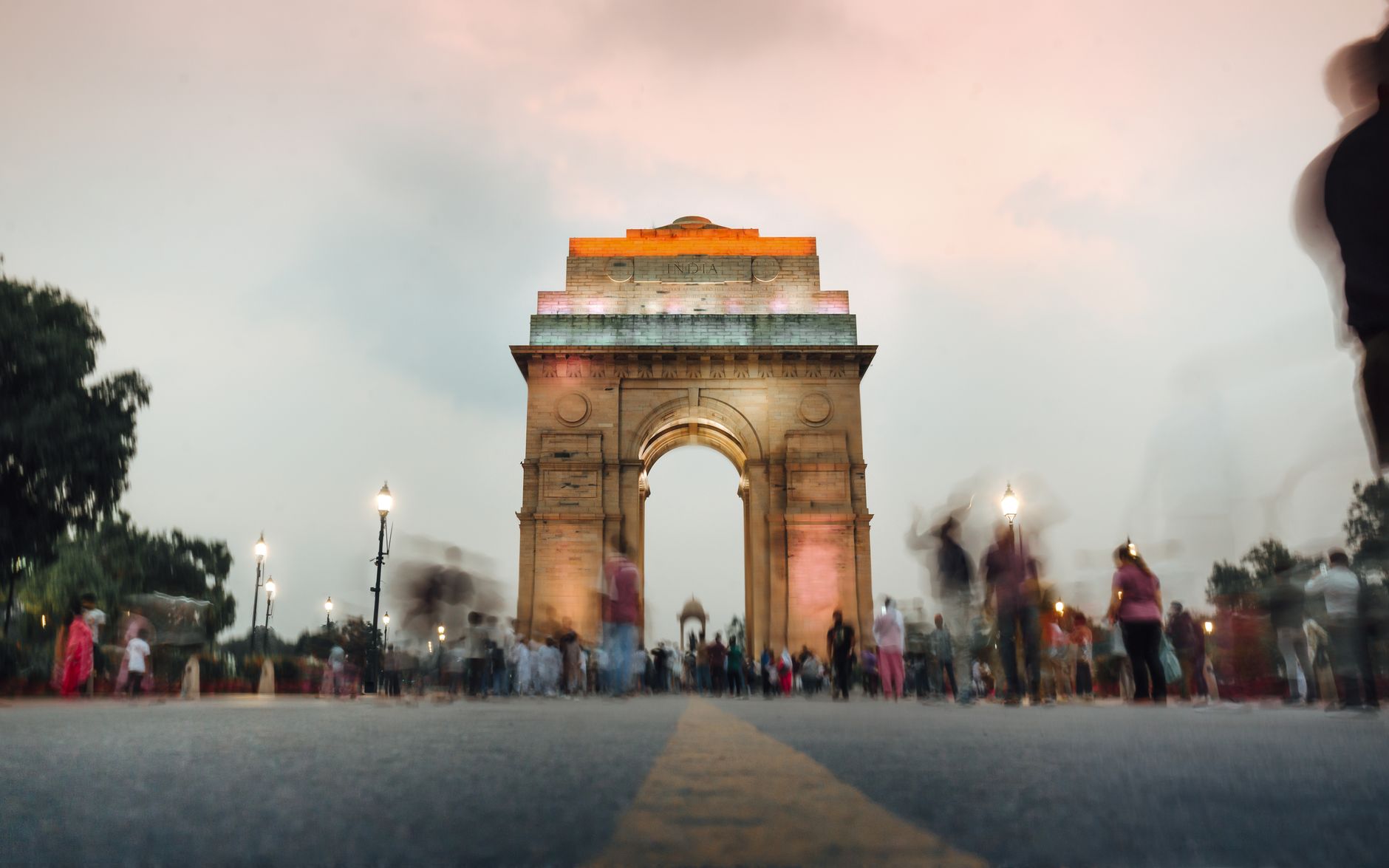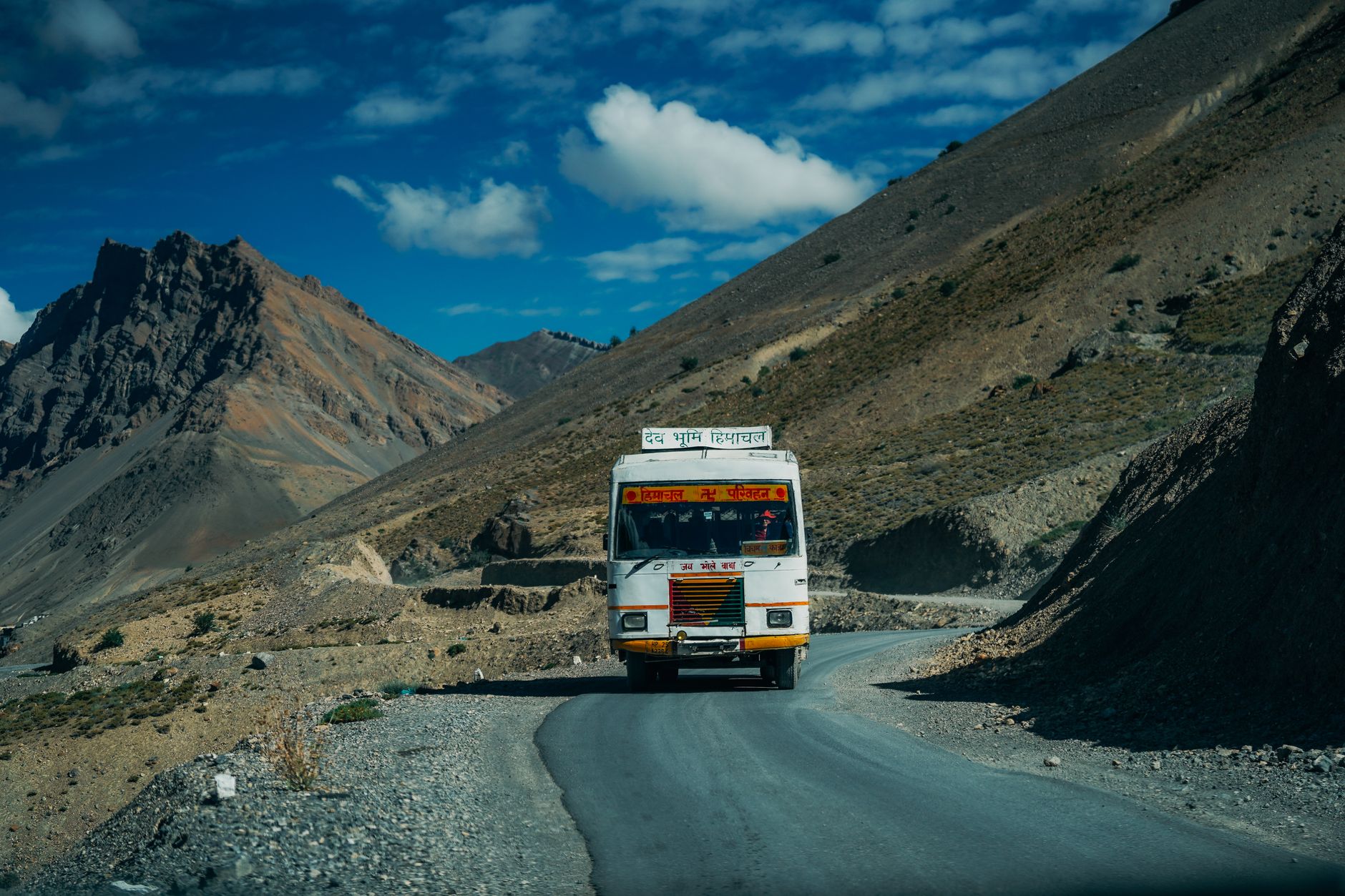
India's tourism landscape is experiencing a remarkable transformation, with domestic travellers emerging as the backbone of the sector. Recent data reveals that a staggering 86% of all travel spending in the country comes from Indians exploring their own nation, a figure that underscores the growing appetite for local travel experiences and the economic muscle of the domestic market.
The Domestic Tourism Boom
The dominance of domestic tourism spending marks a significant shift from pre-pandemic patterns. While international tourism often grabs headlines with its glamorous destinations and foreign exchange earnings, it's the steady stream of Indian holidaymakers, pilgrims, and business travellers who are truly driving the sector's growth.
Several factors have contributed to this phenomenon. Rising disposable incomes among the middle class, improved connectivity through better roads and expanding flight networks, and a growing desire to explore India's diverse cultural and natural heritage have all played crucial roles. The pandemic also accelerated this trend, as international travel restrictions prompted many Indians to discover hidden gems within their own borders.
Economic Implications
This domestic dominance has profound implications for India's economy. When Indians travel within the country, the money circulates domestically, supporting local businesses, hotels, restaurants, and tourism operators. This multiplier effect creates jobs across various sectors, from hospitality and transport to handicrafts and food services.
The tourism and travel sector has become one of India's largest employment generators, with millions of jobs directly and indirectly dependent on it. Small towns and rural areas that were once off the tourist map are now seeing economic benefits as domestic travellers venture beyond traditional hotspots.
Popular Domestic Destinations
Indian domestic tourists are showing increasingly diverse preferences. While traditional favourites like Goa, Kerala, and Rajasthan continue to attract visitors, there's growing interest in offbeat destinations. The Northeastern states, with their pristine landscapes and unique cultures, are witnessing a tourism surge. Spiritual tourism to places like Varanasi, Haridwar, and Tirupati remains strong, accounting for a significant portion of domestic travel.
Adventure tourism is also gaining traction, with destinations like Ladakh, Rishikesh, and the Andaman Islands becoming popular among younger travellers. Weekend getaways to hill stations and nearby cities have become routine for urban residents, particularly in metro areas.
Infrastructure Development
The government's focus on infrastructure development has been instrumental in enabling this domestic tourism growth. Initiatives like the Swadesh Darshan scheme aim to develop theme-based tourist circuits, while improved airport connectivity under the UDAN scheme has made air travel accessible to smaller cities.
Digital India initiatives have made trip planning easier, with online booking platforms, travel apps, and digital payment systems simplifying the travel experience. Social media has also played a crucial role, with Instagram-worthy destinations becoming major draw cards for millennial and Gen-Z travellers.
Challenges and Opportunities
Despite the positive numbers, challenges remain. Overcrowding at popular destinations, particularly during peak seasons, has raised concerns about sustainable tourism. Infrastructure strain in heritage sites and hill stations requires urgent attention to preserve these treasures for future generations.
The hospitality sector must also adapt to changing consumer expectations. Today's domestic traveller is more informed, seeks value for money, and expects quality experiences comparable to international standards. Budget hotels, homestays, and experiential tourism offerings are responding to these demands.
Future Outlook
The robust domestic tourism market provides a stable foundation for India's travel sector. While international tourism will eventually recover and grow, the domestic segment's reliability makes it invaluable for long-term planning and investment.
Industry experts predict continued growth in domestic travel spending, driven by increasing urbanization, better connectivity to tier-2 and tier-3 cities, and a growing preference for experiences over material possessions among younger Indians. The focus on 'Dekho Apna Desh' (See Your Own Country) campaigns has also instilled a sense of pride in exploring India's rich heritage.
For businesses in the tourism sector, understanding and catering to domestic travellers' preferences will be crucial. This includes offering regional cuisine, facilitating local language interactions, providing family-friendly facilities, and creating culturally relevant experiences.
As India positions itself as a global tourism destination, the strength of its domestic market provides a powerful buffer against international uncertainties and a solid foundation for sustainable growth in the years ahead.