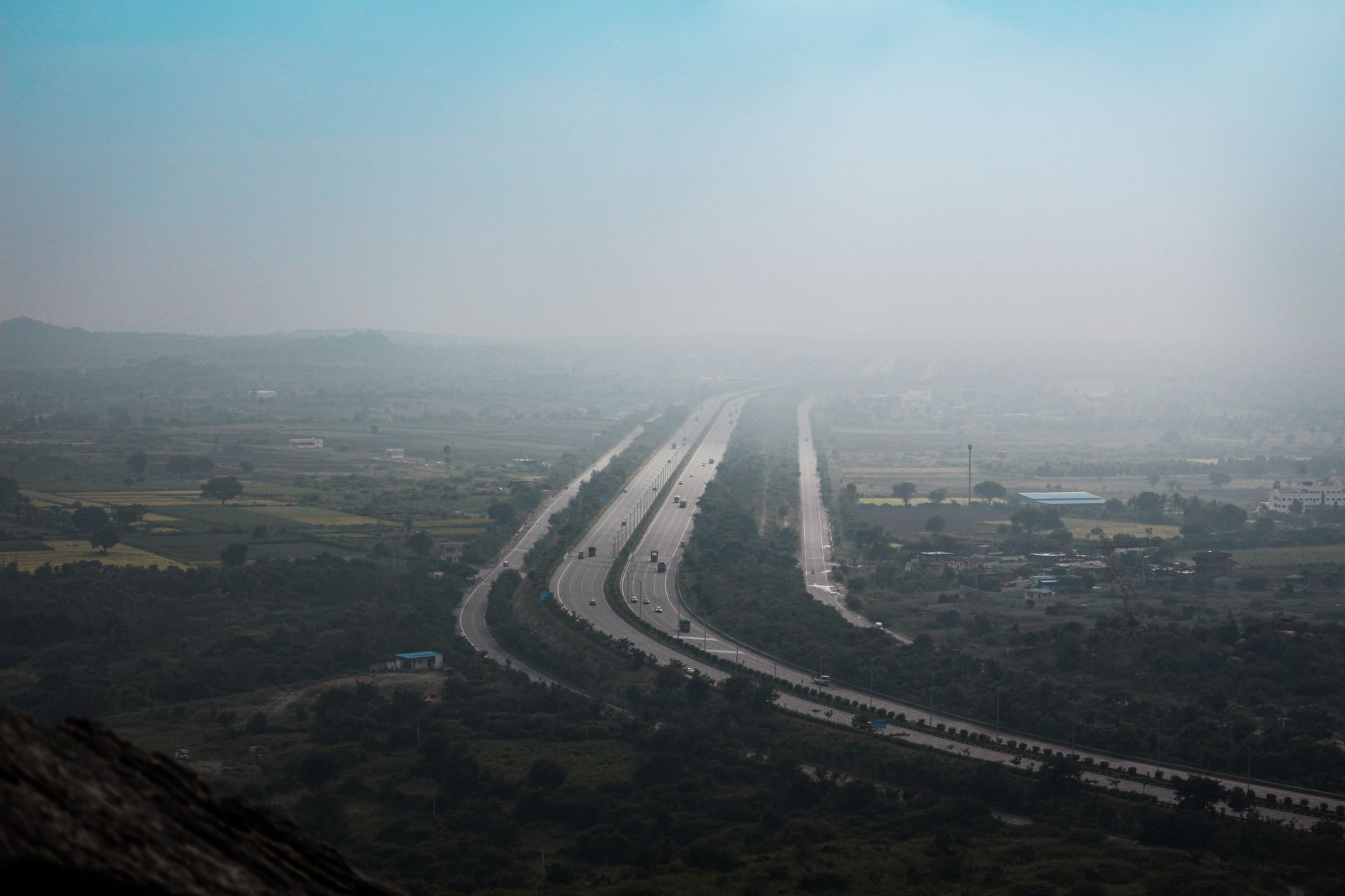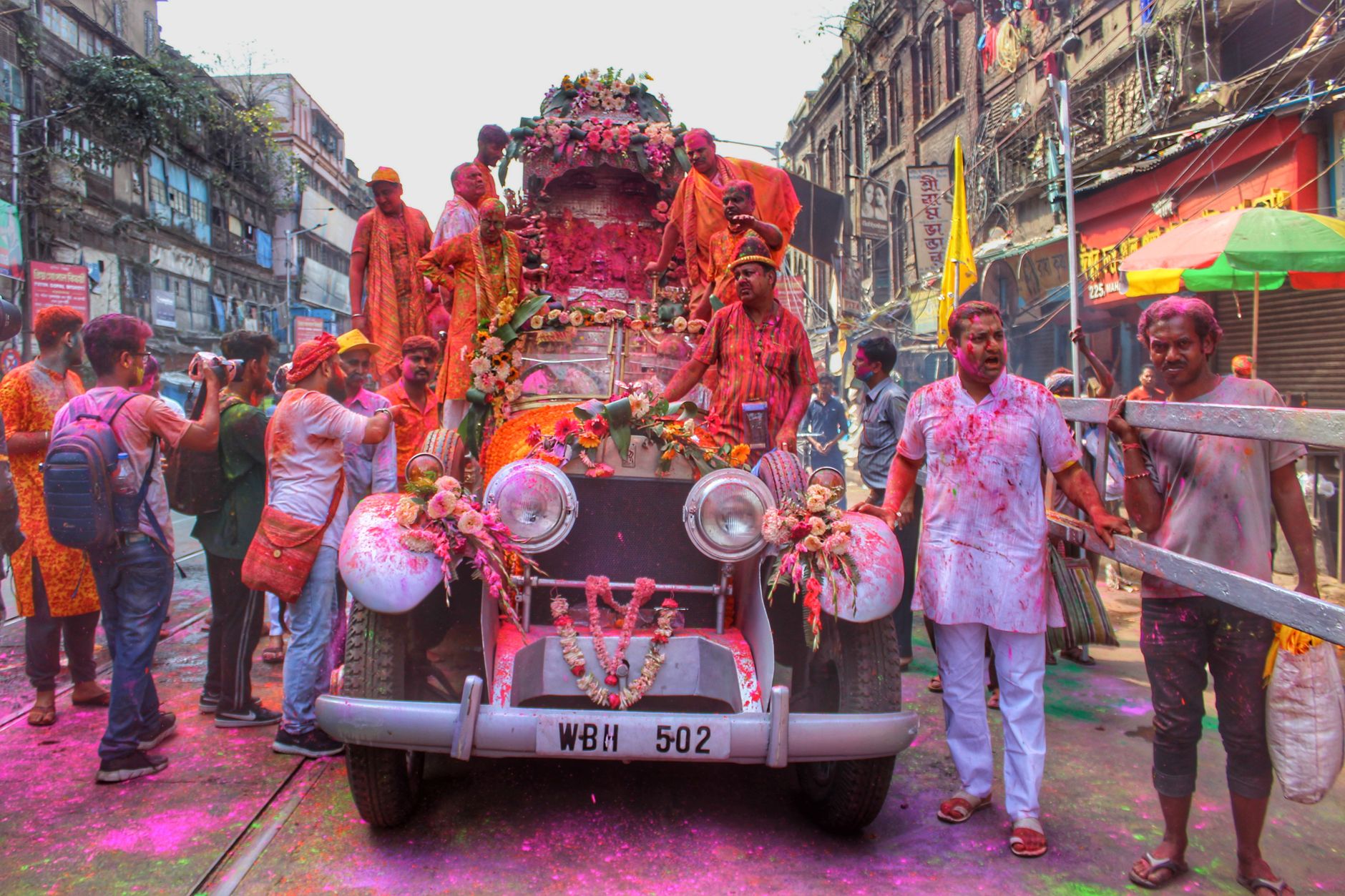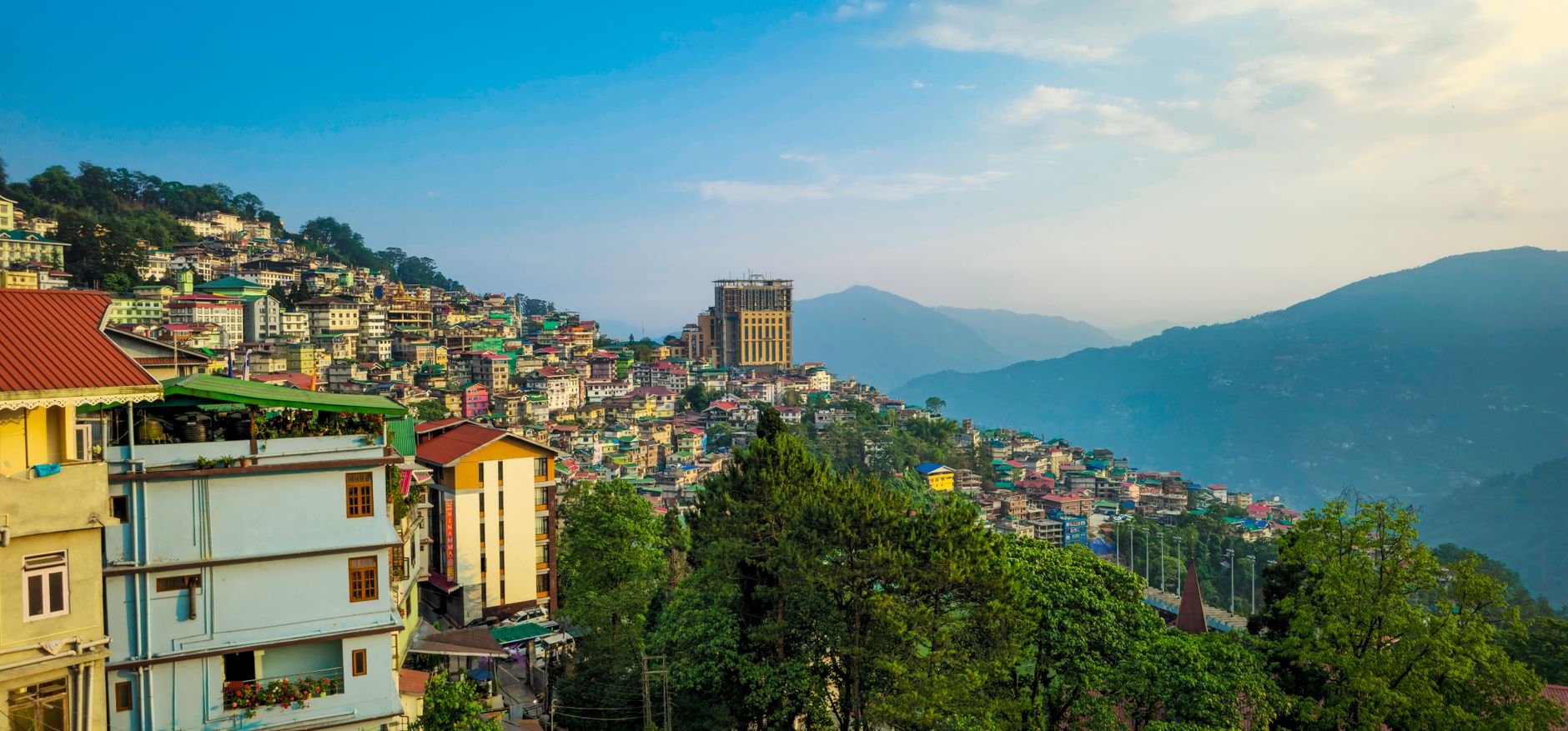
Southeast Asian nations are increasingly looking toward India's burgeoning travel market as a key driver of tourism recovery, with specialized travel expositions designed to attract Indian visitors becoming central to regional strategies. The focus on Indian tourists reflects a broader shift in global tourism patterns, as countries seek to diversify their visitor base and tap into one of the world's fastest-growing outbound travel markets.
India's Rising Outbound Tourism Market
India has emerged as one of the most promising sources of international tourists in recent years. With a rapidly expanding middle class, increasing disposable incomes, and a young demographic profile, Indian travelers are venturing abroad in unprecedented numbers. The country's outbound tourism market has been growing at double-digit rates, with projections suggesting continued expansion over the coming decade.
Several factors contribute to this growth trajectory. Simplified visa processes in many countries, increased airline connectivity, competitive travel packages, and a cultural shift toward prioritizing travel experiences have all played roles in fueling Indian wanderlust. Additionally, the weakening of traditional barriers such as limited foreign exchange availability and restrictive travel policies has opened up international travel to broader segments of Indian society.
Southeast Asia's Strategic Positioning
Southeast Asian destinations have historically been popular with Indian travelers due to their relative proximity, affordability, and cultural familiarity. Countries like Thailand, Singapore, Malaysia, Vietnam, and Cambodia have invested heavily in infrastructure and marketing campaigns tailored to Indian preferences.
Travel expositions specifically targeting Indian audiences serve multiple purposes. They provide a platform for tourism boards, hotels, airlines, and tour operators to showcase their offerings directly to potential travelers and travel trade professionals. These events facilitate business-to-business networking, enable the negotiation of bulk deals and partnerships, and create opportunities for destination marketing organizations to highlight lesser-known attractions.
Post-Pandemic Recovery Challenges
The tourism sector across Southeast Asia suffered devastating losses during the COVID-19 pandemic, with border closures and travel restrictions bringing international arrivals to a near standstill. While domestic tourism provided some cushion, the absence of international visitors created significant economic hardship for destinations heavily dependent on tourism revenues.
The recovery process has been uneven across the region. Some countries reopened borders earlier and more aggressively than others, while varying vaccination rates and evolving health protocols created uncertainty for travelers. Competition for tourist dollars has intensified, with destinations offering attractive packages, simplified entry requirements, and enhanced health and safety measures to lure back international visitors.
Targeting the Indian Traveler
Understanding Indian traveler preferences is crucial for destinations seeking to maximize their share of this market. Indian tourists typically seek value for money, with many preferring organized group tours that offer comprehensive packages. Family travel is particularly important, with multi-generational trips being common. Vegetarian food availability, cultural sensitivity, and the presence of Indian restaurants are significant considerations.
Southeast Asian destinations have responded by training hospitality staff in Indian cultural norms, ensuring vegetarian menu options are widely available, and developing itineraries that appeal to Indian sensibilities. Some countries have introduced special visa categories or streamlined application processes for Indian nationals. Direct flight connectivity between Indian cities and regional destinations has also expanded significantly.
Economic Implications
The economic impact of successfully attracting Indian tourists extends beyond immediate tourism revenues. Increased visitor numbers support employment in hospitality, transportation, retail, and related sectors. Infrastructure development to accommodate tourists benefits local populations as well. Furthermore, positive travel experiences can enhance bilateral relations and encourage business investment.
Travel expositions contribute to these goals by creating awareness, building relationships, and facilitating the kind of sustained engagement necessary for long-term tourism growth. They allow destinations to differentiate themselves in an increasingly crowded marketplace and to communicate their unique value propositions effectively.
Looking Forward
As Southeast Asian nations continue their tourism recovery efforts, India represents both opportunity and competition. While the region seeks to attract more Indian visitors, India itself is simultaneously developing its domestic tourism infrastructure and promoting itself as an international destination. The success of targeted initiatives like India-focused travel expositions will depend on sustained commitment, innovative marketing, and the ability to deliver experiences that meet evolving traveler expectations.
The emphasis on the Indian market also reflects a broader trend toward market diversification, as destinations seek to reduce dependence on any single source of tourists and build more resilient tourism sectors capable of weathering future disruptions.