India's tourism sector has undergone a dramatic transformation over the past ten years, evolving from a niche destination to one of the world's fastest-growing travel markets. This growth story is built on three fundamental pillars: modernized infrastructure, the rise of spiritual tourism, and unprecedented connectivity improvements that have made the country more accessible than ever before.
The Infrastructure Revolution
The foundation of India's tourism surge lies in massive infrastructure investments across the country. Airport modernization has been a game-changer, with cities like Mumbai, Delhi, Bangalore, and Hyderabad boasting world-class terminals that rival international standards. Regional airports in tier-two and tier-three cities have also received significant upgrades, opening previously remote destinations to domestic and international visitors.
The hotel and accommodation sector has expanded exponentially, with international chains establishing presence in smaller cities while homegrown hospitality brands have flourished. From luxury resorts in Rajasthan to boutique hotels in the Northeast, accommodation options have diversified to suit every budget and preference.
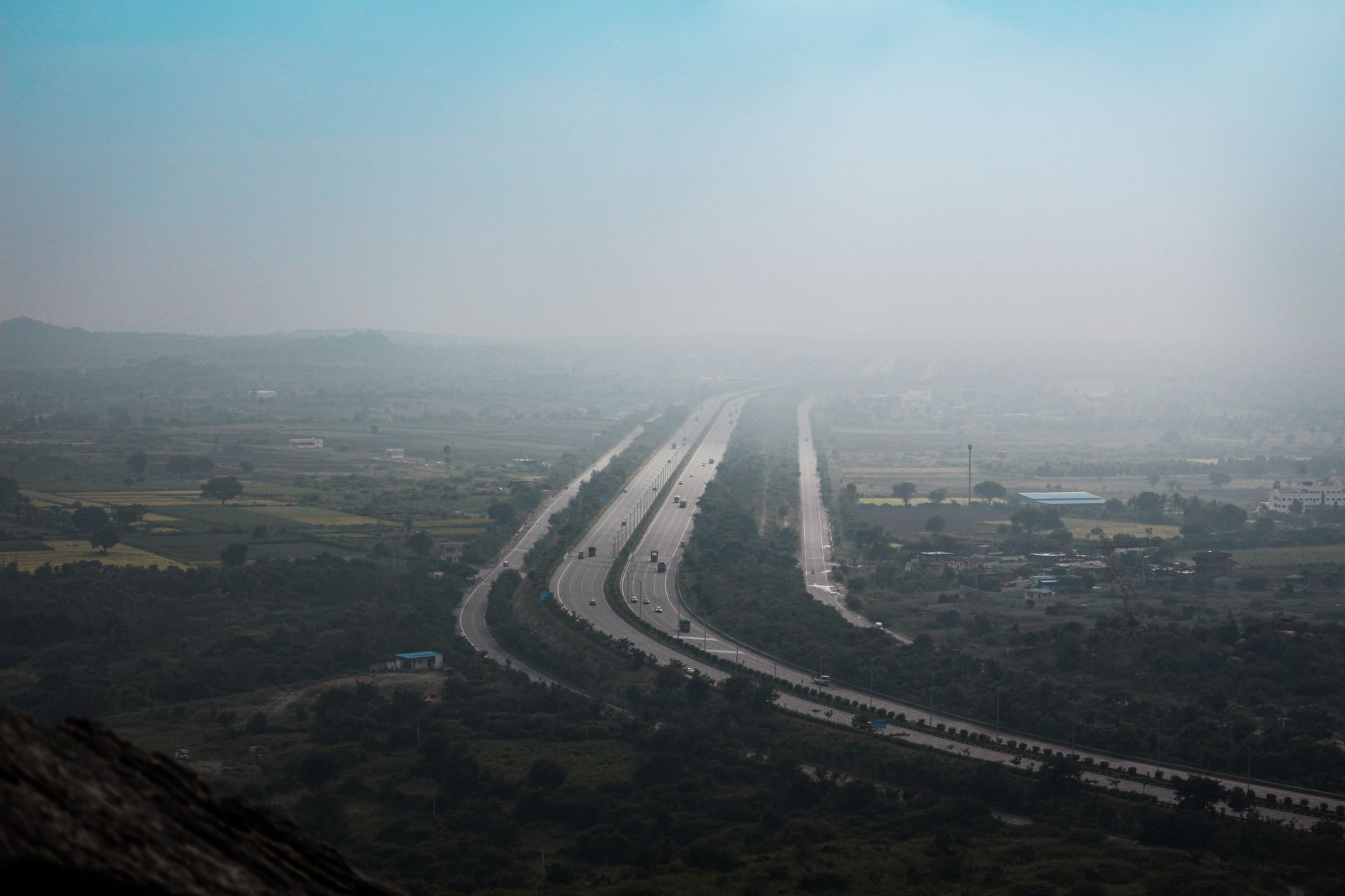
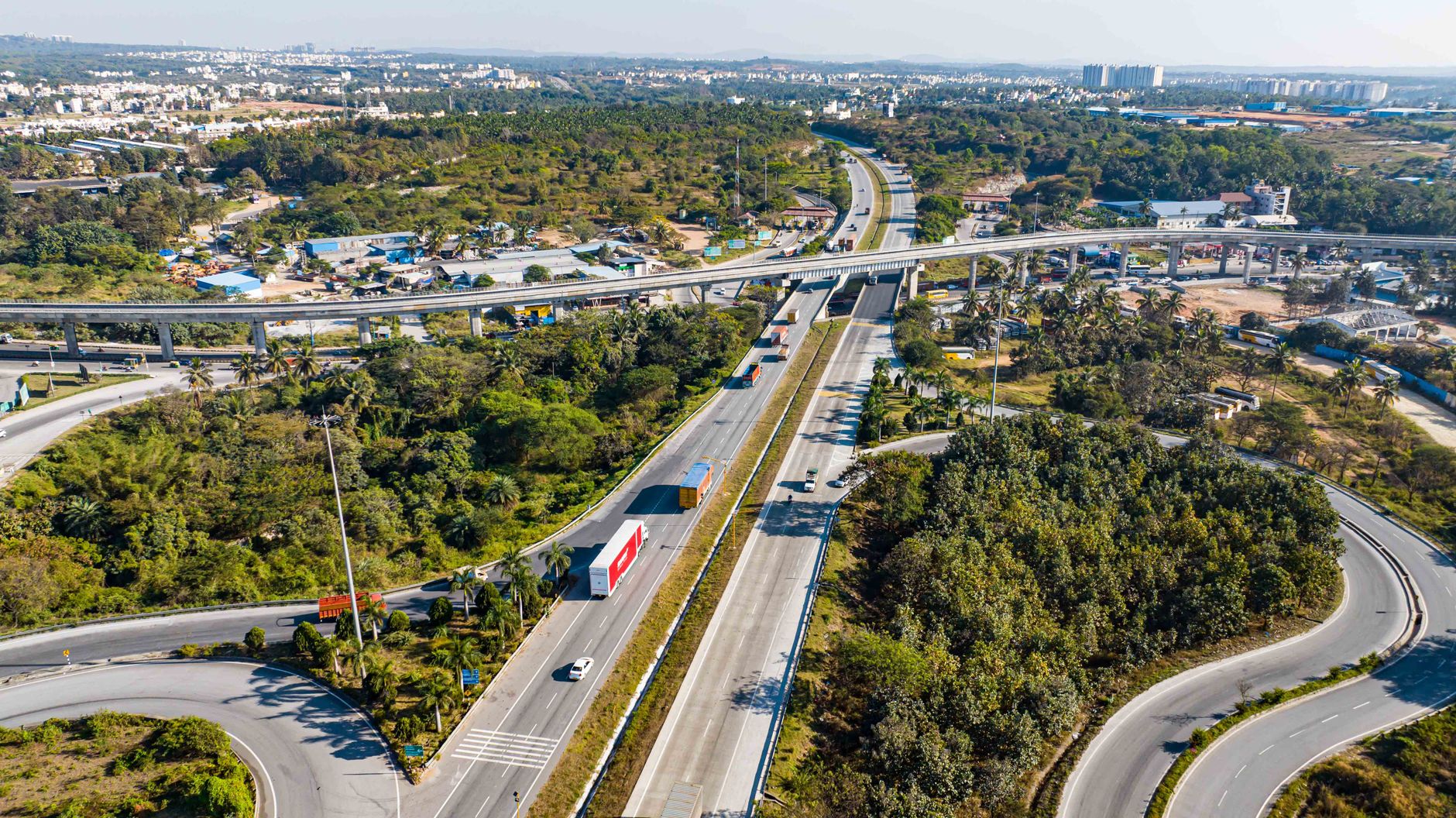
Road connectivity has improved dramatically through highway expansion projects, making road trips more feasible and comfortable. The development of expressways connecting major tourist circuits has reduced travel time significantly, encouraging more people to explore multiple destinations in a single journey.
Spiritual Tourism Takes Center Stage
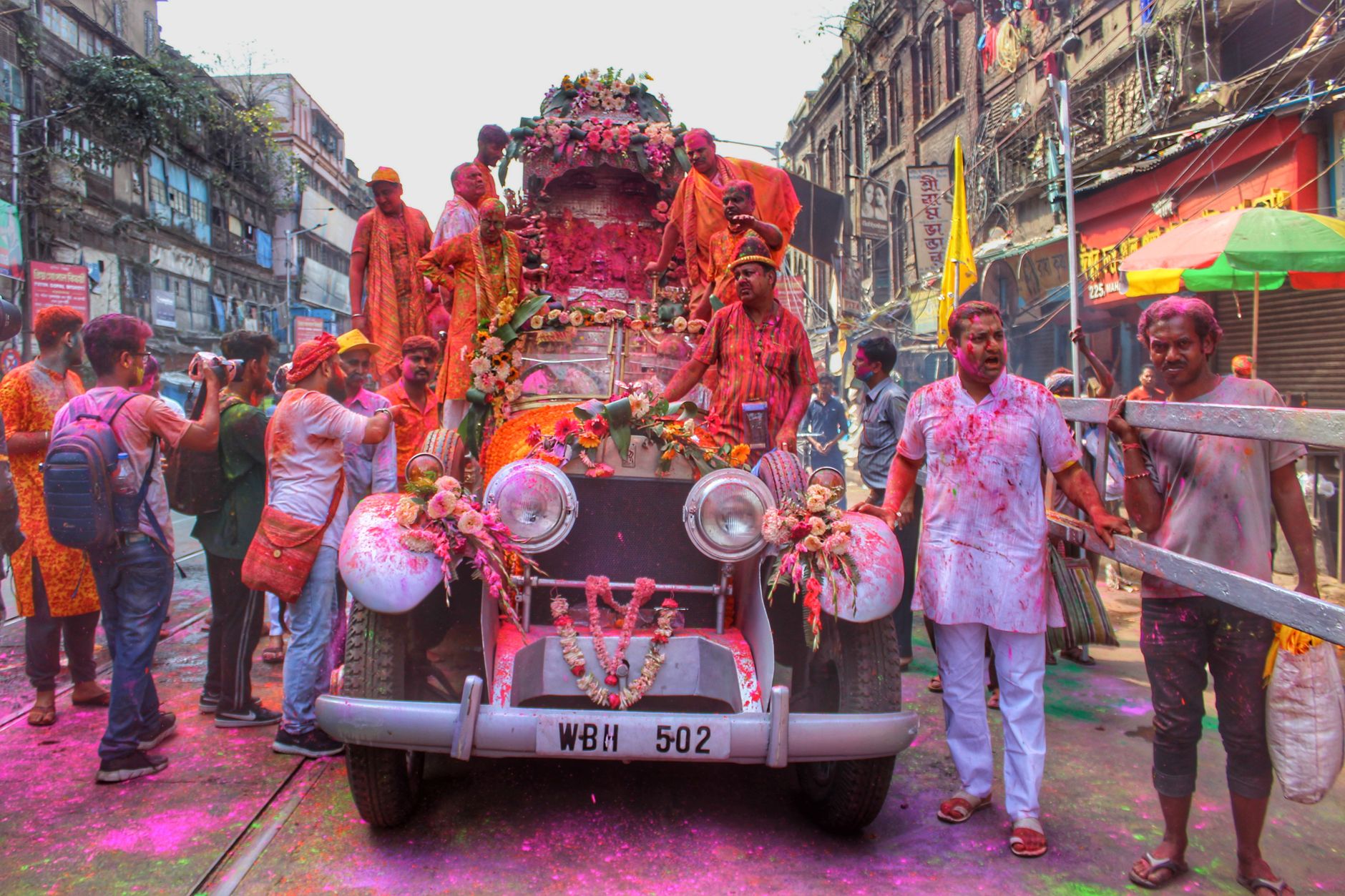
India's spiritual heritage has emerged as a major draw for both domestic and international tourists. The government's focused development of spiritual circuits has transformed pilgrimage sites into well-organized tourist destinations while preserving their sanctity and cultural significance.
Key spiritual circuits that have witnessed transformation include:
- The Char Dham Yatra in Uttarakhand, with improved roads and facilities
- Buddhist Circuit covering sites across Bihar, Uttar Pradesh, and other states
- Ramayana Circuit connecting locations associated with the epic across multiple states
- Krishna Circuit in Uttar Pradesh and Madhya Pradesh
- Sufi Circuit highlighting India's syncretic spiritual traditions
These circuits now feature better accommodation, cleaner facilities, information centers, and enhanced safety measures. The development has made spiritual tourism accessible to elderly pilgrims and families while attracting younger travelers interested in cultural exploration and wellness experiences.
Connectivity: The Great Enabler
Digital and physical connectivity improvements have revolutionized how Indians plan and experience travel. The expansion of low-cost carriers has democratized air travel, with routes connecting previously underserved regions. Flights to destinations like Diu, Shirdi, and various Northeastern cities have made these locations accessible to middle-class travelers.
Rail connectivity continues to evolve with new express trains, Vande Bharat services, and improved station facilities. The introduction of premium train services has created new travel options for those seeking comfort without flying.
Digital connectivity has been equally transformative. Widespread internet access and smartphone penetration have enabled online bookings, digital payments, and access to travel information. Travel apps and platforms have simplified trip planning, while social media has inspired travelers to explore lesser-known destinations, reducing pressure on overtouristed sites.
The Multiplier Effect
This infrastructure and connectivity push has created a positive multiplier effect across the economy. Local communities in tourist destinations have benefited from employment opportunities in hospitality, guiding, transportation, and handicrafts. Small businesses and homestays have flourished, distributing tourism benefits more widely.
The rise of experiential travel has encouraged the development of unique offerings like village tourism, adventure sports facilities, and heritage walks. States have competed to develop their tourism products, resulting in improved facilities and innovative attractions across the country.
Challenges and Future Outlook
Despite impressive growth, challenges remain. Sustainable tourism practices need greater emphasis to protect natural and cultural heritage. Overcrowding at popular sites requires better visitor management. Skills training for tourism professionals needs expansion to meet quality expectations.
Looking ahead, the focus on wellness tourism, adventure travel, and eco-tourism presents significant opportunities. The development of lesser-known destinations can help distribute tourist flows more evenly. Continued infrastructure investment, particularly in remote areas with tourism potential, will be crucial for sustained growth.
India's tourism transformation over the past decade demonstrates how strategic infrastructure development, cultural asset leveraging, and connectivity improvements can unlock economic potential while showcasing the country's diverse offerings to the world. The sector's continued evolution promises even greater opportunities for travelers and communities alike.