The World Travel and Tourism Council has released projections that position India as a rising powerhouse in the global tourism industry. According to their latest forecast, India is expected to climb to the fourth position among the world's largest travel and tourism economies by 2036, marking a significant milestone for the country's hospitality and tourism sectors.
Understanding India's Tourism Growth Trajectory
India's tourism industry has demonstrated remarkable resilience and growth potential over the past decade. The WTTC's projection reflects both the country's current momentum and its untapped potential in attracting domestic and international travellers. The sector is expected to contribute approximately USD 457 billion to India's GDP by 2036, up from its current contribution of around USD 194 billion.
This growth trajectory is supported by several factors including improved infrastructure, digital transformation of travel services, and the government's sustained focus on promoting tourism through initiatives like the Swadesh Darshan scheme and Incredible India campaigns. The country's diverse offerings, from Himalayan adventures to coastal retreats and heritage sites, provide a competitive advantage in attracting different traveller segments.
Job Creation and Economic Impact
One of the most significant aspects of this projected growth is employment generation. The travel and tourism sector is expected to support over 100 million jobs by 2036, making it one of India's largest employment generators. This includes direct jobs in hotels, airlines, tour operators, and travel agencies, as well as indirect employment in related sectors like transportation, food and beverage, and handicrafts.
The economic multiplier effect of tourism extends beyond just hospitality. Local artisans, taxi drivers, restaurant owners, and small business operators across India's tourist destinations stand to benefit from increased visitor footfall. This makes tourism development particularly important for inclusive economic growth and rural development.
Key Growth Drivers
Several factors are expected to fuel India's ascent in global tourism rankings:
- Rising domestic tourism powered by a growing middle class with increased disposable income
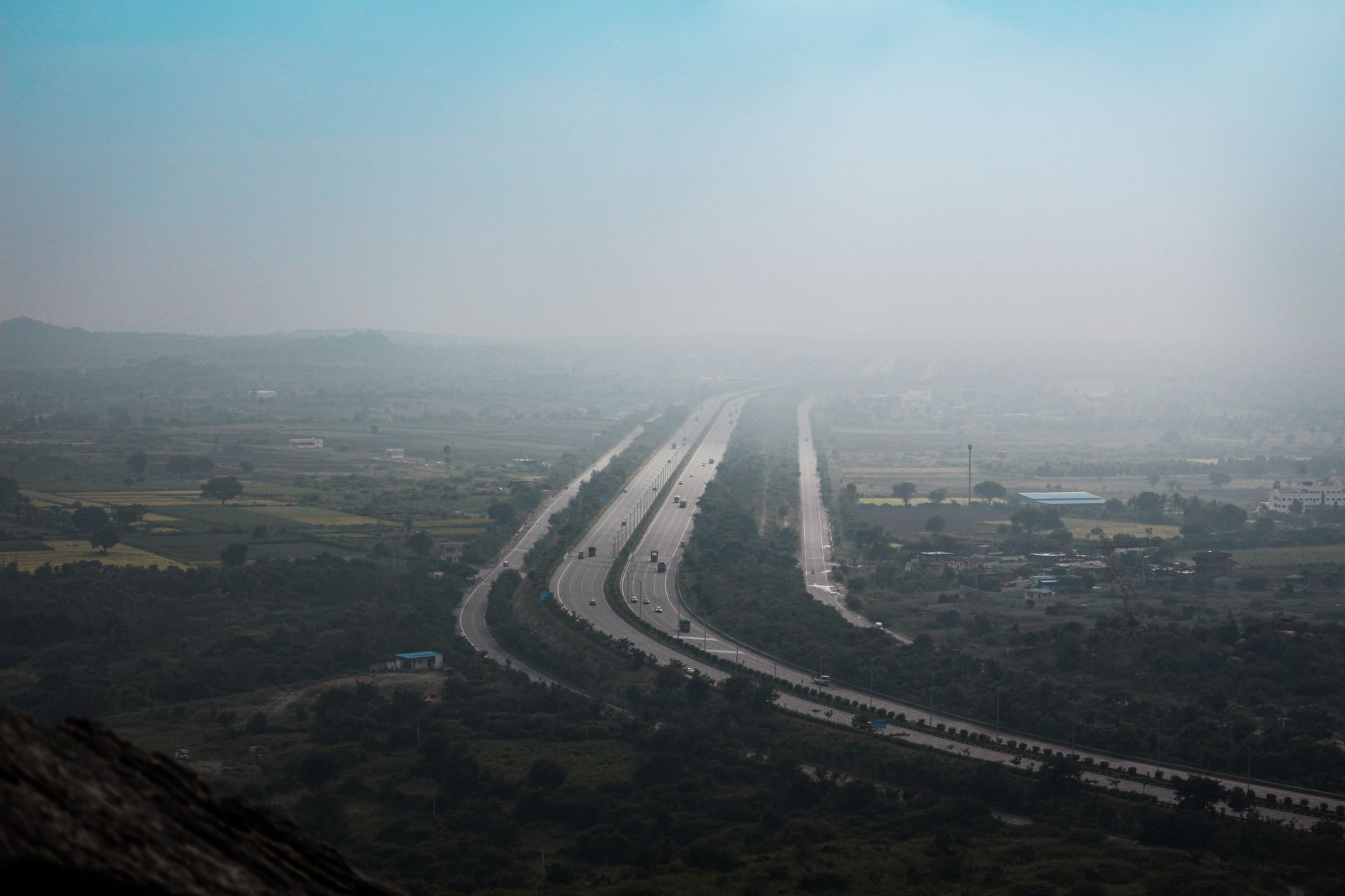
- Infrastructure development including new airports, improved road connectivity, and railway modernisation
- Digital transformation making travel planning and bookings more accessible
- Government policy support through visa reforms, tourism promotion, and destination development
- Emergence of experiential and wellness tourism catering to evolving traveller preferences
- Strategic positioning in global aviation networks with expanded international connectivity
Challenges and Opportunities Ahead
Despite the optimistic projections, India's tourism sector faces several challenges that need addressing to realise its full potential. Infrastructure gaps remain evident in many tourist destinations, particularly regarding accommodation standards, cleanliness, and last-mile connectivity. The industry also needs to address skill development to ensure service quality meets international standards.
Environmental sustainability presents both a challenge and an opportunity. As visitor numbers increase, destinations must implement responsible tourism practices to preserve natural and cultural heritage. Overtourism in popular destinations like Goa, Shimla, and parts of Rajasthan requires proactive management strategies.
Regional Distribution and Development
The projected growth presents an opportunity to diversify tourism beyond established circuits. While destinations like Delhi, Agra, Jaipur, Kerala, and Goa continue to attract major visitor volumes, emerging destinations in the Northeast, Madhya Pradesh, and Odisha offer untapped potential. Balanced regional development can help distribute economic benefits while reducing pressure on overcrowded sites.
Technology and Innovation
Digital innovation will play a crucial role in achieving these projections. From AI-powered travel assistants and virtual reality destination previews to blockchain-based booking systems and sustainable tourism tracking, technology adoption can enhance visitor experiences while improving operational efficiency for tourism businesses.
The growth of the sharing economy, exemplified by homestays and peer-to-peer experiences, is also democratising tourism entrepreneurship, allowing more Indians to participate in and benefit from the sector's expansion.
Global Positioning
Reaching fourth position globally would place India ahead of several established tourism economies. Currently, the United States, China, and Germany lead the rankings. India's climb reflects broader shifts in global travel patterns, with Asia-Pacific emerging as the world's fastest-growing tourism region.
This positioning enhances India's soft power and cultural influence globally while creating opportunities for international partnerships and investments in tourism infrastructure and services.
The WTTC projections underscore the transformative potential of India's travel and tourism sector over the next decade. Realising this potential will require coordinated efforts from government, industry stakeholders, and local communities to address infrastructure gaps, enhance service quality, and promote sustainable tourism practices.