India is experiencing an unprecedented transformation in its travel and transportation sector, fundamentally changing how its 1.4 billion citizens move within and across the country. From metro expansions to highway developments, digital ticketing to aviation growth, the nation's mobility landscape is evolving at a remarkable pace.
The Infrastructure Revolution
India's investment in transportation infrastructure has reached historic levels in recent years. The government has prioritized building and upgrading roads, railways, airports, and metro systems to support economic growth and improve connectivity. The National Infrastructure Pipeline represents one of the world's largest infrastructure programs, with substantial allocations toward transport projects.
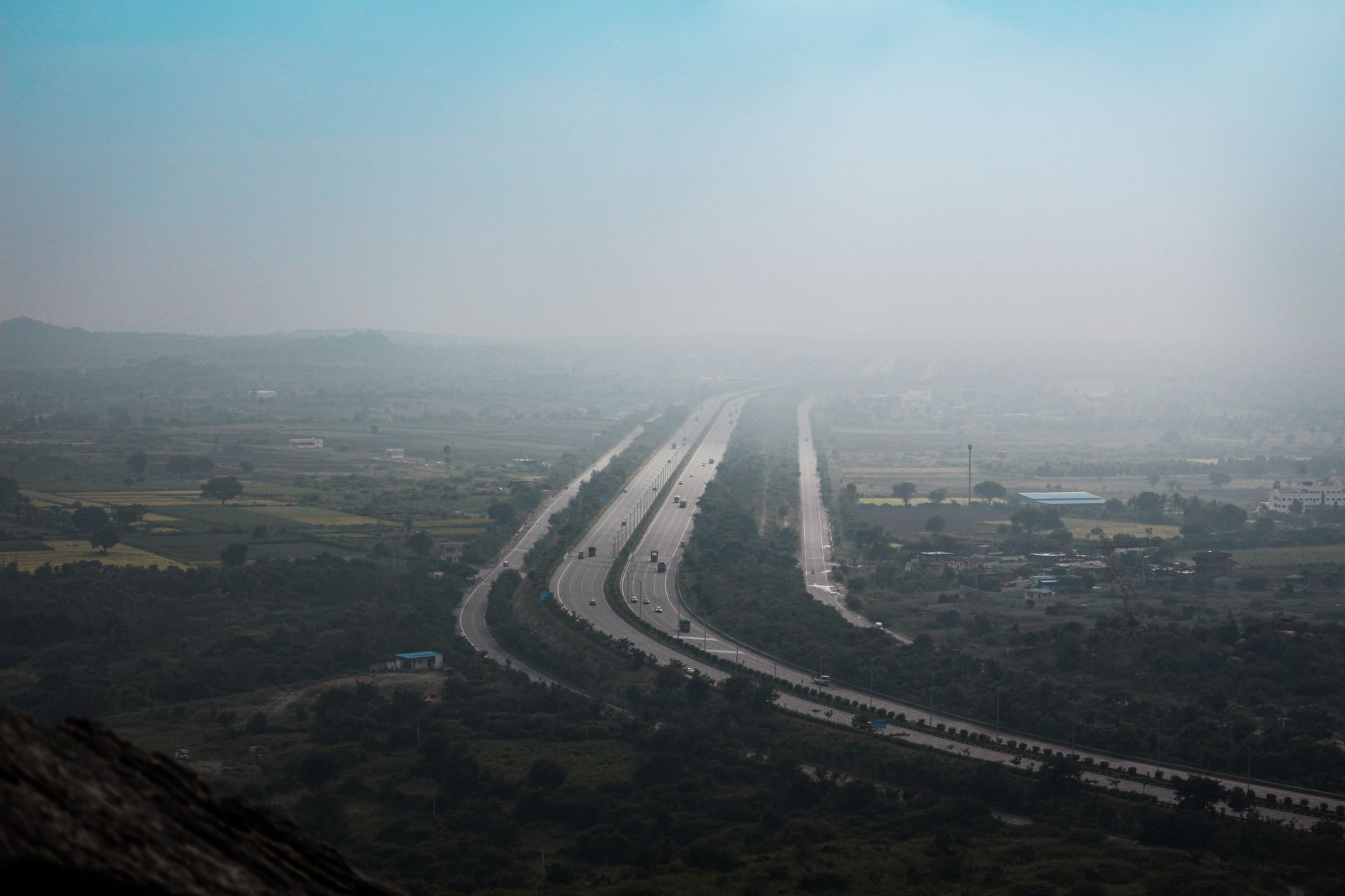
Highway construction has accelerated dramatically, with thousands of kilometers of new roads being built annually. The Bharatmala Pariyojana project aims to optimize the road network, while expressways like the Delhi-Mumbai Expressway are cutting travel times significantly between major cities. These developments are not just about speed but also safety, with better road quality reducing accidents and improving the overall travel experience.
Railway Modernization
Indian Railways, one of the world's largest railway networks, is undergoing comprehensive modernization. The introduction of Vande Bharat Express trains represents a shift toward faster, more comfortable rail travel. Station redevelopment projects are transforming major railway stations into world-class facilities with improved amenities, cleaner environments, and better passenger services.
The railway network is also embracing technology, with features like:
- Real-time train tracking through mobile applications
- Automated ticket vending machines at stations
- Contactless entry systems using QR codes
- Improved catering services through e-catering platforms
- Enhanced safety measures including upgraded signaling systems
Aviation Expansion
India's aviation sector has witnessed explosive growth, making air travel accessible to millions who previously relied solely on trains and buses. New airports are being built in tier-2 and tier-3 cities under the UDAN (Ude Desh ka Aam Nagrik) scheme, which aims to make flying affordable and widespread. This regional connectivity initiative has opened up previously underserved destinations and boosted local economies.
Budget airlines have democratized air travel, offering competitive fares that often rival premium train tickets. The result is a dramatic increase in domestic air passenger traffic, with India now among the fastest-growing aviation markets globally.
Urban Mobility Solutions
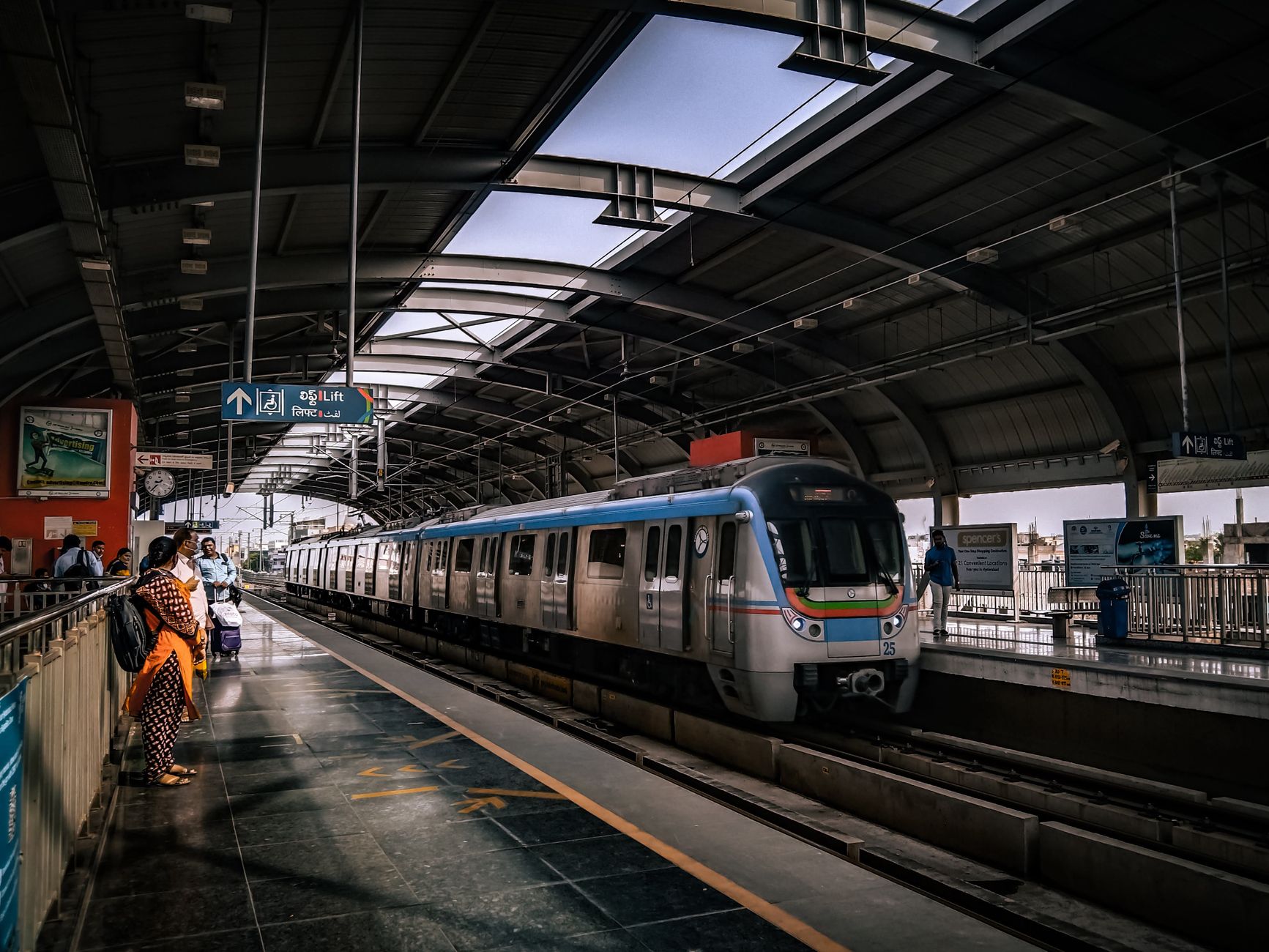
Indian cities are grappling with congestion and pollution, leading to innovative urban mobility solutions. Metro rail networks have expanded rapidly across major cities including Delhi, Mumbai, Bengaluru, Kolkata, Chennai, and many others. These metro systems provide fast, reliable, and environmentally friendly alternatives to private vehicles.
Additionally, app-based ride-hailing services have revolutionized urban transportation, offering convenient alternatives to traditional taxis and auto-rickshaws. Electric vehicle adoption is gradually increasing, supported by government incentives and growing environmental awareness.
Digital Transformation of Travel
Technology has become integral to the travel experience in India. Digital payment systems have made ticketing seamless across various modes of transport. Travel planning has been simplified through comprehensive apps that integrate multiple transportation options, allowing users to compare routes, timings, and prices instantly.
The Common Mobility Card initiative aims to create a unified payment system across different transport modes, enabling passengers to use a single card for metro, buses, and other public transport services across cities.
Tourism and Cultural Exchange
Improved connectivity has boosted domestic and international tourism. Better infrastructure makes it easier for Indians to explore their own country, from the Himalayas to coastal regions, from historical monuments to wildlife sanctuaries. The ease of travel has strengthened cultural exchange and economic opportunities across regions.
Challenges and Future Outlook
Despite impressive progress, challenges remain. Traffic congestion in major cities continues to be problematic, and last-mile connectivity needs improvement in many areas. Environmental concerns require balancing infrastructure growth with sustainability goals. The focus going forward will likely include greater emphasis on electric mobility, integrated transport systems, and smart city solutions.
India's travel transformation reflects the country's broader developmental trajectory. As infrastructure improves and technology adoption deepens, the nation's mobility ecosystem will continue evolving, supporting economic growth while enhancing the quality of life for millions of travelers daily.