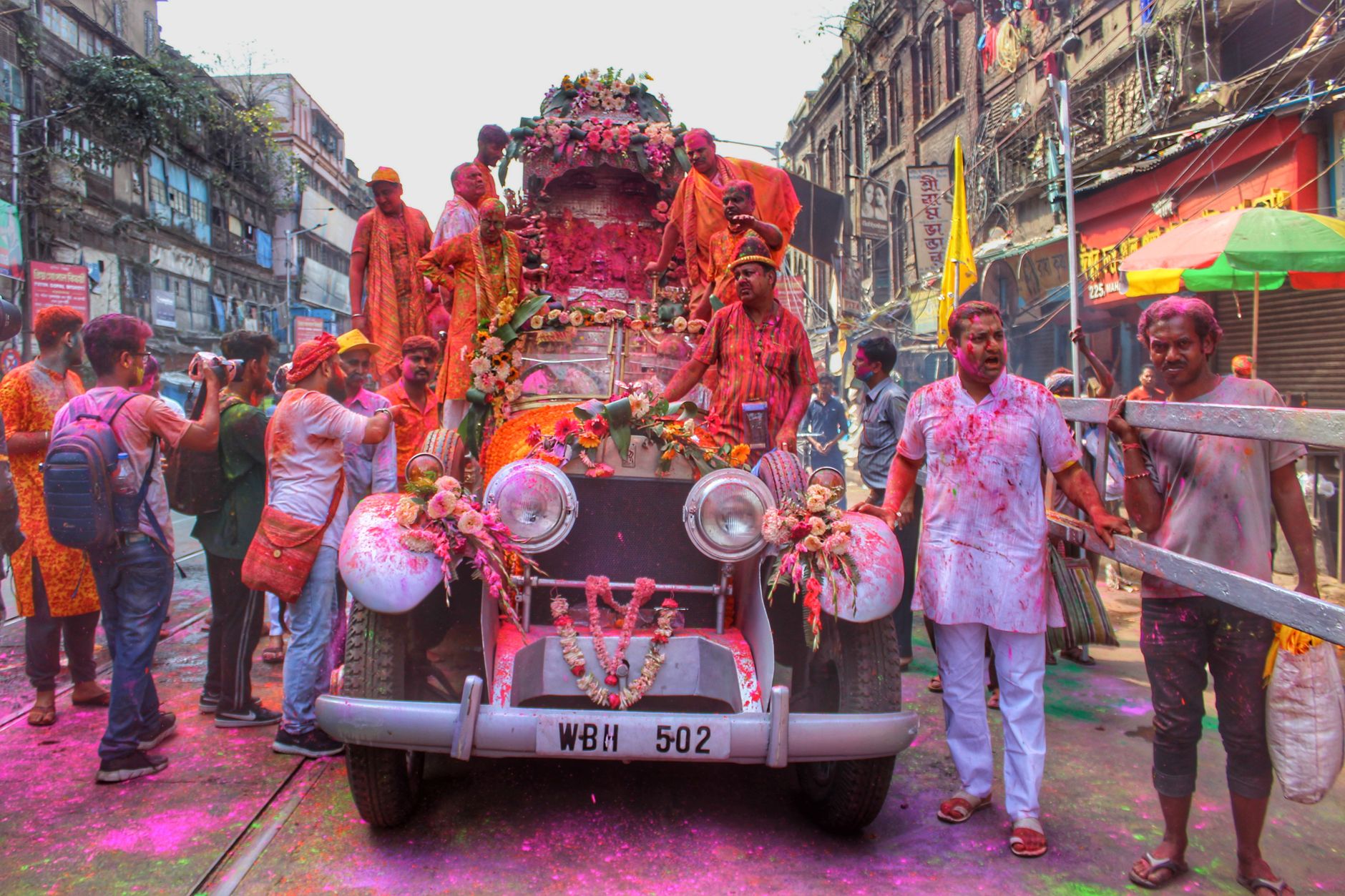
India's tourism sector stands at a critical juncture, with international experts urging the government to implement comprehensive visa reforms and increase investment in tourism infrastructure. The call from the World Travel & Tourism Council president underscores both the immense potential and current challenges facing one of the world's most culturally rich destinations.
The Current State of Indian Tourism
India welcomed approximately 9 million foreign tourists in 2023, a figure that pales in comparison to countries like Thailand, which receives over 35 million visitors annually despite having a fraction of India's cultural and geographical diversity. This gap highlights significant untapped potential in India's tourism sector, which contributes roughly 6-7 percent to the national GDP and employs millions across hospitality, transport, and related industries.
The tourism sector has been recovering steadily from the pandemic-induced slump, but growth remains constrained by systemic issues that deter potential visitors. Industry experts consistently cite visa procedures as one of the primary obstacles preventing India from competing effectively with regional tourism powerhouses.
Visa Processing Challenges
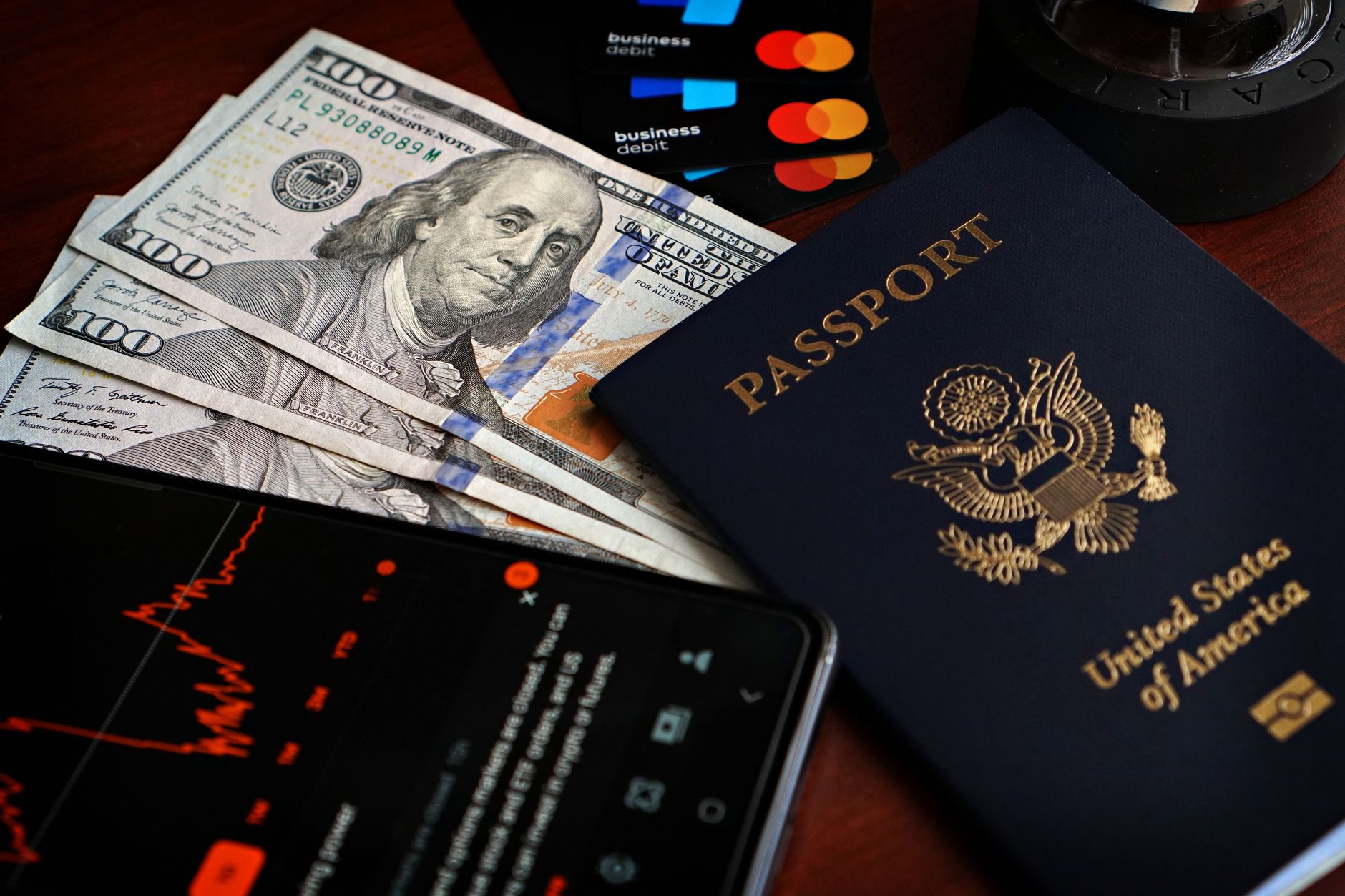
India's current visa system presents multiple friction points for international travelers. The e-visa facility, launched to simplify entry, covers many nationalities but still requires applications days or weeks in advance, with processing times varying unpredictably. Many neighboring countries offer visa-on-arrival or simplified electronic systems that process applications within hours.
The cost structure also presents challenges. Indian visa fees are considerably higher than those charged by competing destinations in Southeast Asia. For many tourists planning multi-country trips, the additional cost and administrative burden of obtaining an Indian visa becomes a deterrent, leading them to skip India altogether.
Furthermore, the limited validity periods and restriction on the number of entries create complications for business travelers and tourists wishing to use India as a hub for exploring the broader region. These constraints reduce India's attractiveness as both a standalone destination and a gateway to South Asia.
Infrastructure Investment Gaps
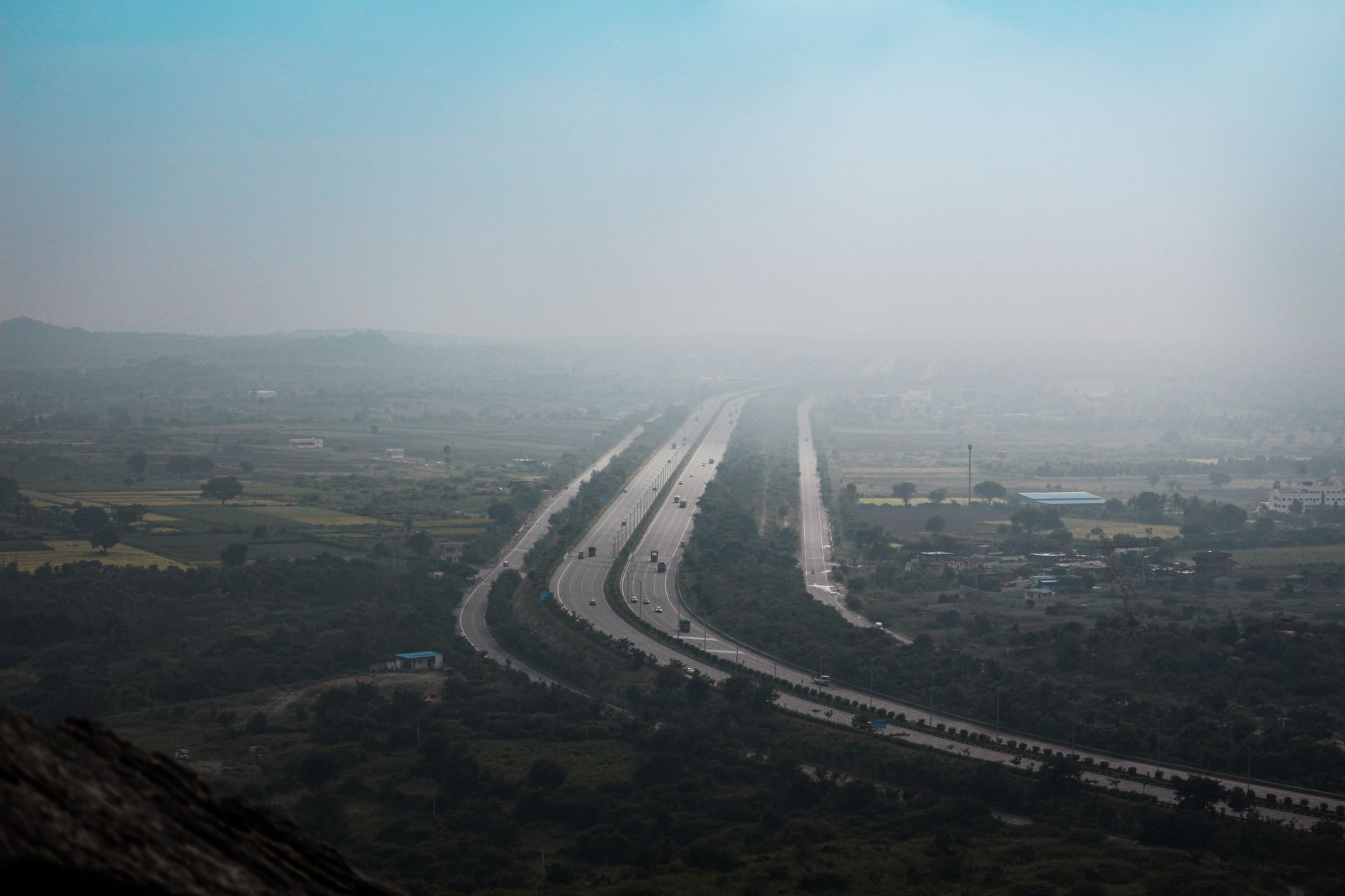
Beyond visa issues, India's tourism infrastructure requires substantial upgrading to meet international standards. While major cities like Delhi, Mumbai, and Bangalore offer world-class facilities, many popular tourist destinations struggle with inadequate airports, poor road connectivity, and insufficient accommodation options.
Popular sites like Varanasi, Khajuraho, and numerous heritage locations in Rajasthan lack the last-mile connectivity that international tourists expect. The absence of well-maintained public toilets, clear signage in multiple languages, and trained tourist guides at many attractions creates negative experiences that spread through word-of-mouth and online reviews.
Economic Potential of Reformed Tourism
The economic case for tourism investment is compelling. According to industry analyses, every million dollars invested in tourism infrastructure generates significantly more employment than equivalent investment in manufacturing. Tourism also provides economic opportunities in rural and semi-urban areas where other industries struggle to establish themselves.
Countries like Vietnam and Indonesia have demonstrated how strategic tourism investment combined with visa liberalization can dramatically increase visitor numbers. Vietnam simplified its visa processes and invested heavily in tourism promotion, resulting in visitor numbers tripling over a decade. India, with its vastly superior cultural heritage and geographic diversity, could achieve even more impressive results with similar reforms.
Regional Competition and Benchmarking
India competes for tourist dollars with destinations that have aggressively modernized their approach. Thailand offers visa exemptions to numerous countries and visa-on-arrival to many others. Dubai has created seamless airport experiences and positioned itself as a global hub. Even Bhutan, despite charging high daily fees, offers a streamlined visa process.
These competitors have also invested heavily in digital marketing, infrastructure development, and training programs to ensure consistent service quality. India's fragmented approach, with limited coordination between central and state governments, puts it at a disadvantage.
Recommendations for Transformation
Industry experts suggest several concrete steps. First, expanding visa-on-arrival facilities to citizens of more countries, particularly those with strong outbound tourism markets. Second, reducing visa fees to competitive levels and extending validity periods. Third, creating tourism-specific infrastructure funds with clear timelines and accountability mechanisms.
Additionally, improving digital infrastructure at tourist sites, mandating service quality standards for hotels and tour operators, and launching coordinated international marketing campaigns could significantly enhance India's competitive position.
The tourism sector's multiplier effect on employment, foreign exchange earnings, and regional development makes it a strategic priority. With proper visa reforms and sustained infrastructure investment, India could realistically target 30-40 million annual visitors within a decade, transforming tourism into a major economic growth driver while showcasing the country's cultural wealth to the world.