India's tourism sector stands at a critical juncture, with industry experts emphasizing that streamlined visa processes and improved connectivity infrastructure are essential to unlock the country's vast potential as a global travel destination. The World Travel & Tourism Council has underscored these bottlenecks as primary obstacles preventing India from capturing a larger share of international tourist arrivals.
Current State of Indian Tourism
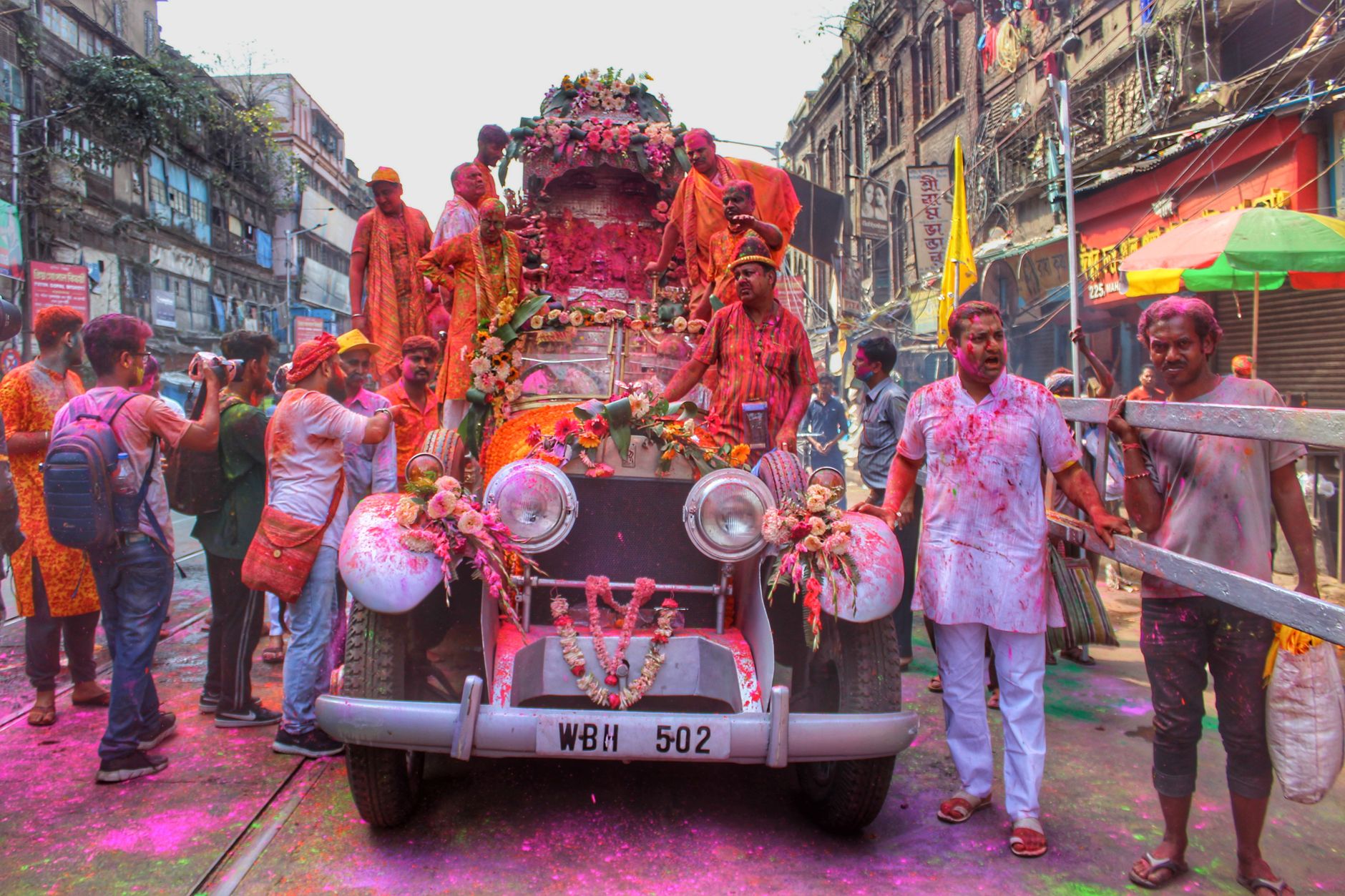
India received approximately 9.2 million foreign tourist arrivals in 2023, a significant recovery from pandemic lows but still below its pre-COVID peak. Despite being home to 40 UNESCO World Heritage Sites, diverse landscapes ranging from Himalayan peaks to tropical beaches, and a rich cultural tapestry spanning millennia, India captures less than 2 percent of global tourist arrivals. This figure pales in comparison to countries like Thailand, which attracts over 35 million international visitors annually with a fraction of India's cultural assets.
The tourism and hospitality sector contributes roughly 7 percent to India's GDP and employs millions across hotels, restaurants, transport services, and allied industries. However, experts believe this contribution could double with appropriate policy interventions and infrastructure investments.
The Visa Conundrum
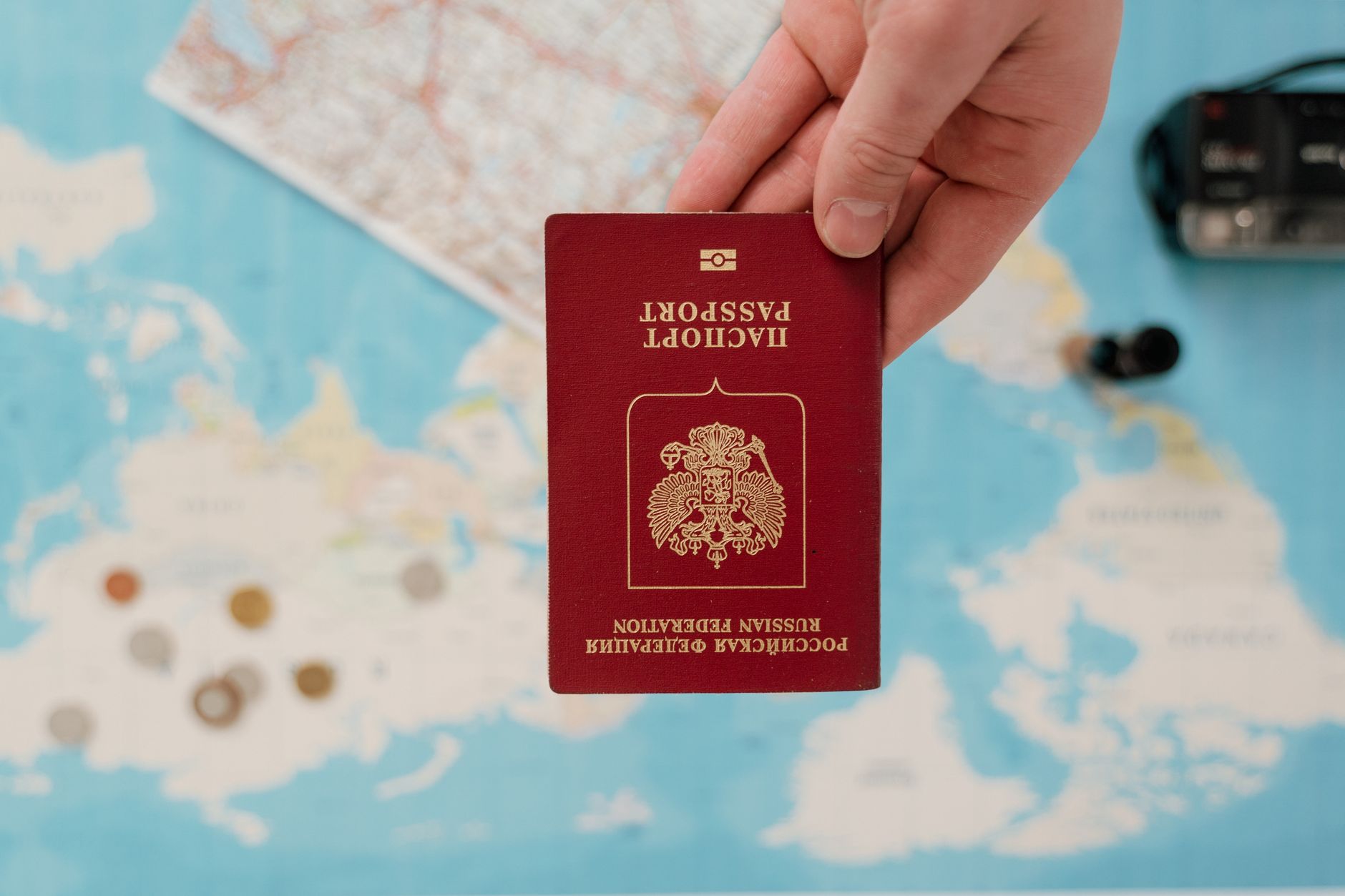
India's visa regime remains one of the most cited pain points for international travelers. While the country introduced e-visa facilities in 2014, coverage remains limited compared to competing destinations. Currently, e-visa access is available to citizens of approximately 170 countries, but processing times can be unpredictable, and the system occasionally faces technical glitches.
Several key issues plague the current visa framework:
- Complex documentation requirements that vary by nationality and visa category
- Restricted entry points for e-visa holders, limiting flexibility in travel planning
- Higher visa fees compared to regional competitors like Thailand and Vietnam
- Absence of visa-on-arrival facilities for most nationalities
- Lengthy processing times for conventional visa applications through embassies
Countries that have liberalized visa policies have witnessed dramatic tourism growth. Thailand's visa exemption for multiple nationalities and Dubai's streamlined visa-on-arrival system serve as models India could study.
Connectivity Challenges
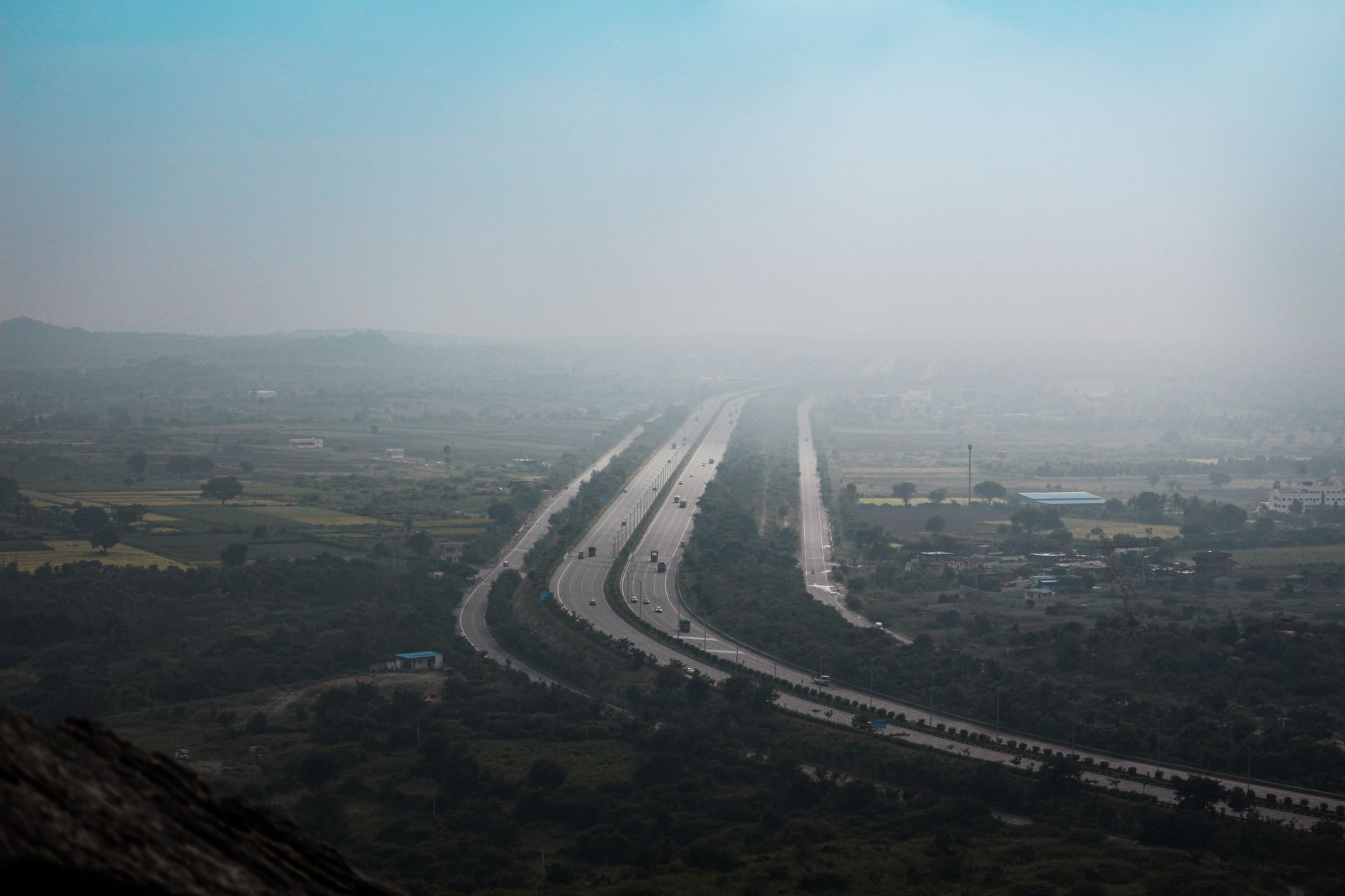
Beyond visa hurdles, physical and digital connectivity gaps significantly hamper tourism development. International air connectivity remains concentrated around major metros, with limited direct flights connecting secondary cities to global hubs. Destinations like Goa, Jaipur, and Varanasi that hold immense tourism appeal lack sufficient international flight options, forcing travelers to route through Delhi or Mumbai.
Domestic connectivity presents its own challenges. While India has expanded its airport network considerably, rail connectivity to tourist destinations often involves long journeys on outdated rolling stock. Road infrastructure, though improving, remains inadequate in many tourist circuits, particularly in northeastern states and remote heritage sites.
Digital connectivity is equally crucial. Reliable internet access, mobile network coverage, and digital payment infrastructure remain patchy outside major cities, creating inconvenience for international visitors accustomed to seamless connectivity.
Regional Competition Intensifies
India faces stiff competition from neighboring countries that have aggressively courted international tourists. Thailand, Vietnam, and Indonesia have invested heavily in tourism infrastructure while maintaining visitor-friendly policies. These countries offer easier visa access, better value propositions, and well-developed tourist circuits.
China, before its recent policy shifts, had built formidable tourism infrastructure connecting historical sites with modern amenities. Even smaller nations like Bhutan, despite limiting tourist numbers through high daily fees, have created premium experiences that command global attention.
Path Forward
Tourism experts suggest several measures India could implement to accelerate growth. Expanding visa-free access or visa-on-arrival to citizens of major source markets would eliminate a significant friction point. Simplifying the e-visa application process and ensuring robust technical infrastructure could improve user experience.
Investment in regional airports and expansion of international routes to secondary cities would distribute tourist traffic more evenly while showcasing India's diversity. Enhanced rail connectivity through high-speed corridors linking tourist destinations could revolutionize domestic tourism circuits.
Public-private partnerships could address infrastructure gaps in accommodation, sanitation facilities, and last-mile connectivity. Training programs to enhance service quality and language skills among tourism workers would improve visitor experiences.
Marketing campaigns highlighting India's unique offerings, from wellness tourism and spiritual retreats to adventure sports and culinary experiences, could reposition the country in global consciousness. States with untapped potential, particularly in the northeast, require focused development and promotion.
The tourism sector's multiplier effect on employment and economic growth makes it a strategic priority for India's development agenda. With concerted policy action addressing visa and connectivity constraints, India could realistically target 30 million annual international arrivals within the next decade, positioning itself among the world's top ten tourist destinations.