India stands at a pivotal juncture where its tourism industry could serve as a catalyst for unprecedented economic transformation. With diverse landscapes ranging from the Himalayan peaks to tropical beaches, alongside rich cultural heritage spanning millennia, the country possesses natural advantages that remain significantly underutilized in the global tourism marketplace.
The Current State of Indian Tourism
India currently captures only a small fraction of global tourist arrivals despite being home to over 40 UNESCO World Heritage Sites and countless cultural attractions. While countries like Thailand and Malaysia attract tens of millions of international visitors annually, India's numbers remain comparatively modest. This gap represents not just missed opportunities but billions of dollars in potential revenue that could fuel national development.
The domestic tourism market, however, tells a more encouraging story. Millions of Indians travel within their own country each year, creating a robust foundation upon which international tourism can build. This internal momentum demonstrates that infrastructure and service capabilities exist, though they require scaling and refinement to meet global standards.
Economic Multiplier Effects
Tourism's economic impact extends far beyond hotel bookings and airline tickets. The sector creates employment across multiple skill levels, from hospitality workers to tour guides, artisans to transport operators. For every direct tourism job created, estimates suggest three to four indirect positions emerge in supporting industries.
Revenue generated through tourism flows into local communities, supporting small businesses, handicraft industries, and agricultural producers who supply food to hotels and restaurants. This decentralized economic activity proves particularly valuable for rural and semi-urban areas where alternative employment opportunities remain limited.
Foreign exchange earnings from international tourists strengthen India's balance of payments while reducing dependence on traditional export sectors. Tourism dollars support currency stability and provide resources for importing essential goods and technologies.
Infrastructure Development Opportunities
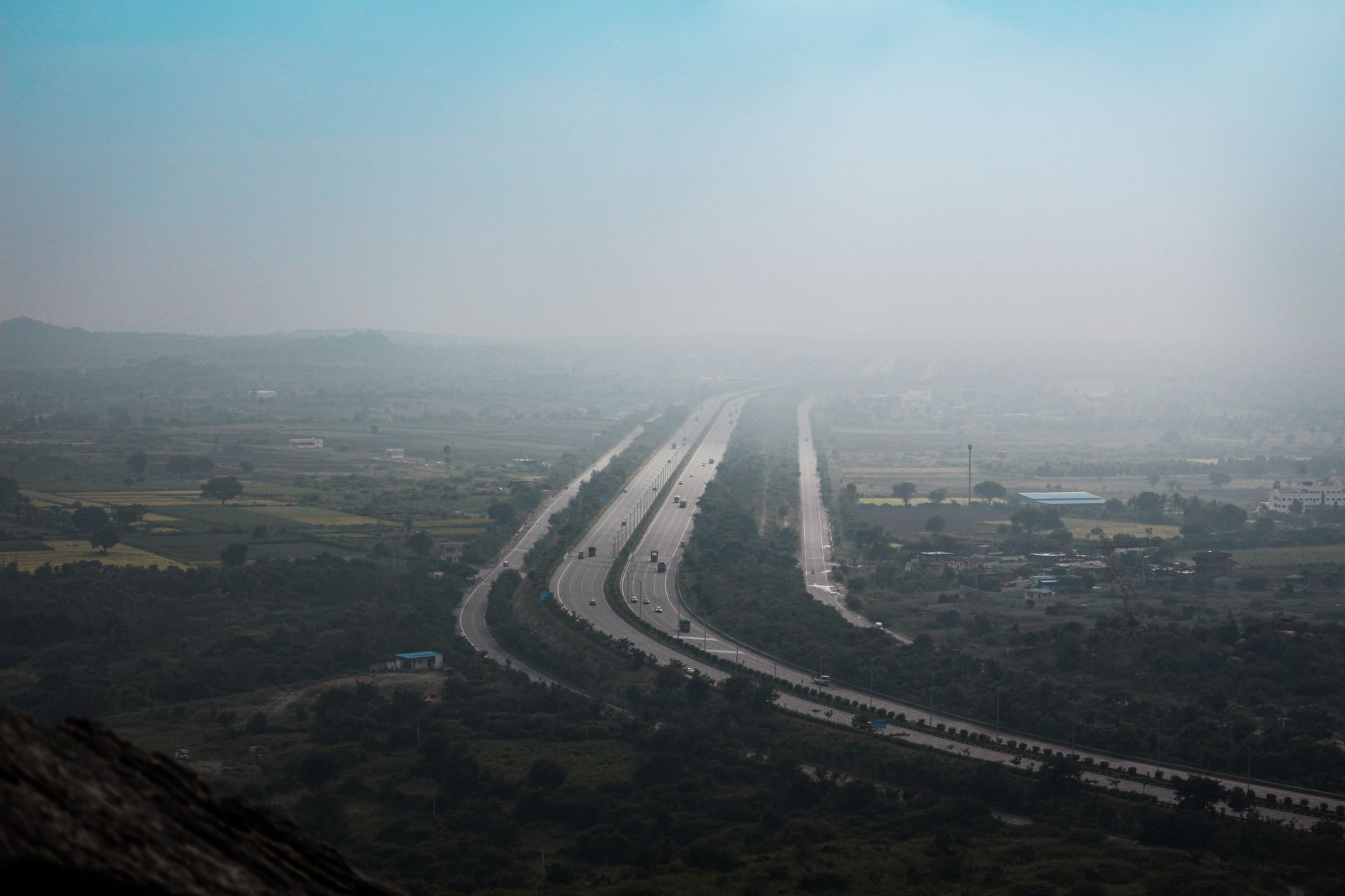
Expanding tourism necessitates infrastructure improvements that benefit entire communities beyond just visitors. Better roads, airports, railway connections, and digital connectivity required for tourist destinations simultaneously enhance quality of life for local residents and facilitate business activities.
Investment in tourism infrastructure creates construction jobs in the short term while establishing foundations for long-term economic activity. Improved sanitation facilities, waste management systems, and environmental conservation efforts mandated by tourism standards raise living standards and public health outcomes.
Cultural Preservation and Soft Power
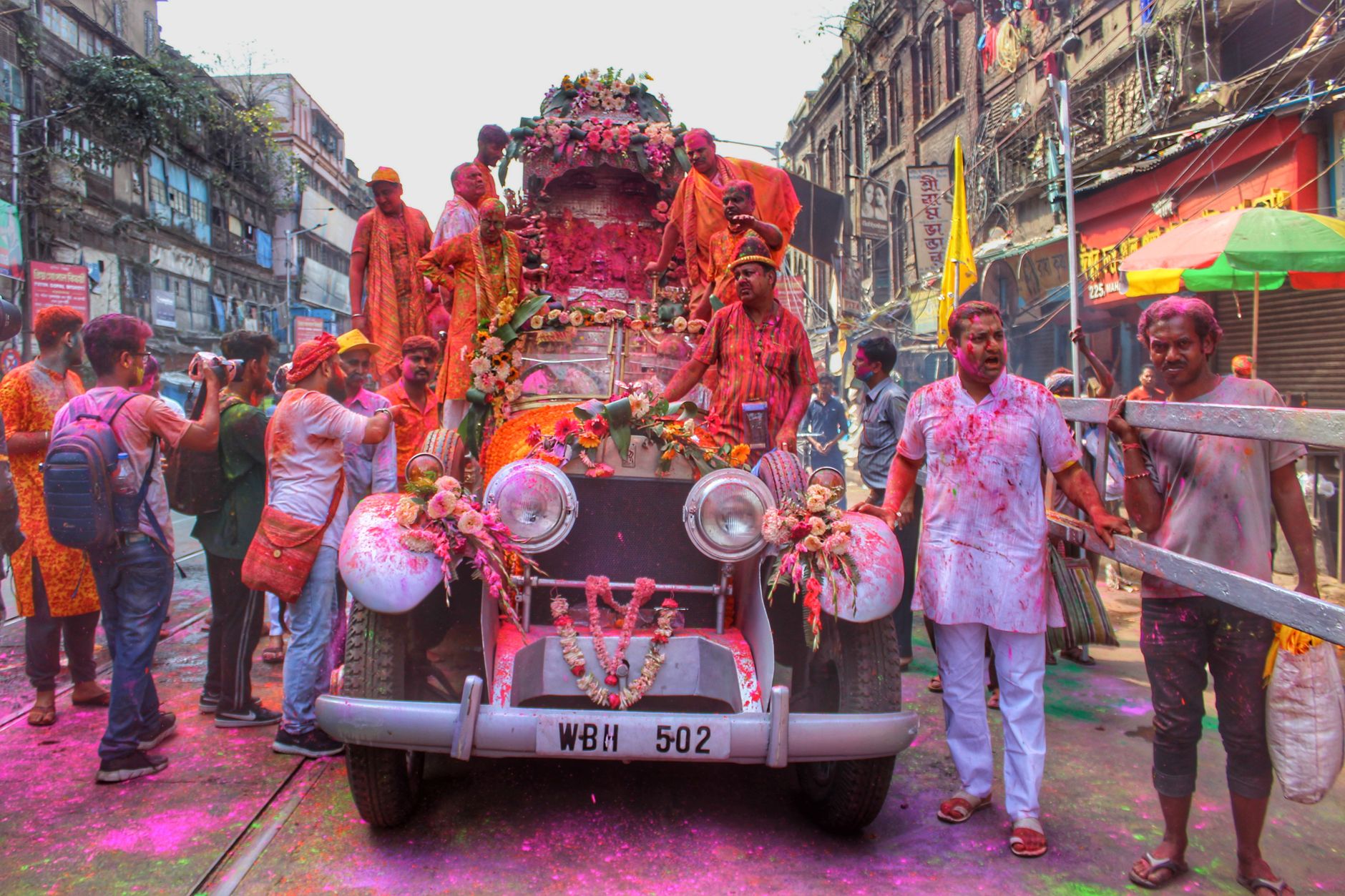
Tourism incentivizes the preservation of cultural heritage, traditional arts, and historical monuments. When communities recognize economic value in their cultural assets, they become active stakeholders in conservation efforts. Artisan communities find renewed markets for traditional crafts, encouraging younger generations to learn heritage skills that might otherwise disappear.
International tourists who experience India's hospitality, diversity, and cultural richness become informal ambassadors. Positive visitor experiences translate into enhanced global perceptions, potentially influencing business investment decisions, diplomatic relations, and international collaborations beyond the tourism sector itself.
Addressing the Challenges
Realizing tourism's full potential requires confronting persistent challenges. Visa processes need streamlining to match the ease offered by competing destinations. Safety perceptions, particularly regarding women travelers, demand serious attention through visible security measures and rapid response systems.
Quality standards across accommodations, transport services, and tourist sites require consistent enforcement. Training programs must equip workers with language skills, cultural sensitivity, and professional service standards that international travelers expect.
Environmental sustainability must be embedded in tourism development strategies. Overcrowding at popular destinations, plastic pollution, and ecological degradation threaten the very attractions that draw visitors. Sustainable tourism models that balance economic benefits with environmental protection prove essential for long-term viability.
The Path Forward
Strategic investments in lesser-known destinations can distribute tourist traffic more evenly, reducing pressure on overtaxed sites while spreading economic benefits across wider geographic areas. Digital marketing campaigns showcasing India's diversity can attract niche tourism segments from adventure travelers to wellness seekers.
Public-private partnerships can accelerate infrastructure development while ensuring commercial viability. Regulatory reforms that simplify business operations for tourism enterprises while maintaining quality standards will encourage both domestic and foreign investment in the sector.
With coordinated efforts between government, private industry, and local communities, tourism can indeed unlock India's journey toward becoming a top-tier global destination while driving inclusive economic growth that touches millions of lives across the nation.