The Declining Trend in State Education Budgets
Over the past twelve years, a troubling pattern has emerged across numerous Indian states: education spending as a proportion of state budgets has declined significantly. While absolute numbers may show modest increases in some cases, the share of education in overall state expenditure has shrunk, even as the demand for quality education continues to rise. This decline comes at a time when India's youth population is at its peak, and the country's demographic dividend depends heavily on an educated and skilled workforce.
The reduction in education spending varies across states, with some regions experiencing steeper cuts than others. States that were once leaders in educational investment have seen their allocations drop, while others have maintained relatively stable spending patterns. This disparity has widened the gap between well-performing and underperforming states in educational outcomes.
Why Are States Cutting Education Budgets
Several factors contribute to the declining prioritization of education in state budgets. Rising expenditure on other sectors such as healthcare, infrastructure, and social welfare schemes has forced states to make difficult allocation choices. Additionally, many states face significant debt burdens and fiscal constraints that limit their ability to increase spending across all sectors simultaneously.
The COVID-19 pandemic further strained state finances, forcing governments to divert resources toward immediate health crises and economic relief measures. Even as economies have recovered, education budgets have not bounced back proportionally. Revenue shortfalls and changing political priorities have also played a role in reshaping budget allocations.
Another factor is the increasing reliance on centrally-sponsored schemes for education funding. When states expect central government support, they may reduce their own contributions, leading to an overall decline in state-specific education investment.
Impact on Schools and Higher Education
The consequences of reduced education spending are far-reaching and affect multiple aspects of the education system:
- Deteriorating infrastructure in government schools, including inadequate classrooms, libraries, and laboratories
- Teacher shortages and delayed recruitment, leading to higher student-teacher ratios
- Reduced funding for mid-day meal schemes and other student welfare programs
- Limited resources for teacher training and professional development
- Insufficient investment in digital infrastructure and technology-enabled learning
- Declining quality of higher education institutions due to resource constraints
- Reduced scholarship funds and financial aid for economically disadvantaged students
Government schools, which serve the majority of India's student population, are particularly affected. When infrastructure crumbles and teaching positions remain unfilled, families who can afford alternatives increasingly move their children to private schools, further undermining the public education system.
The Youth Response and Growing Protests
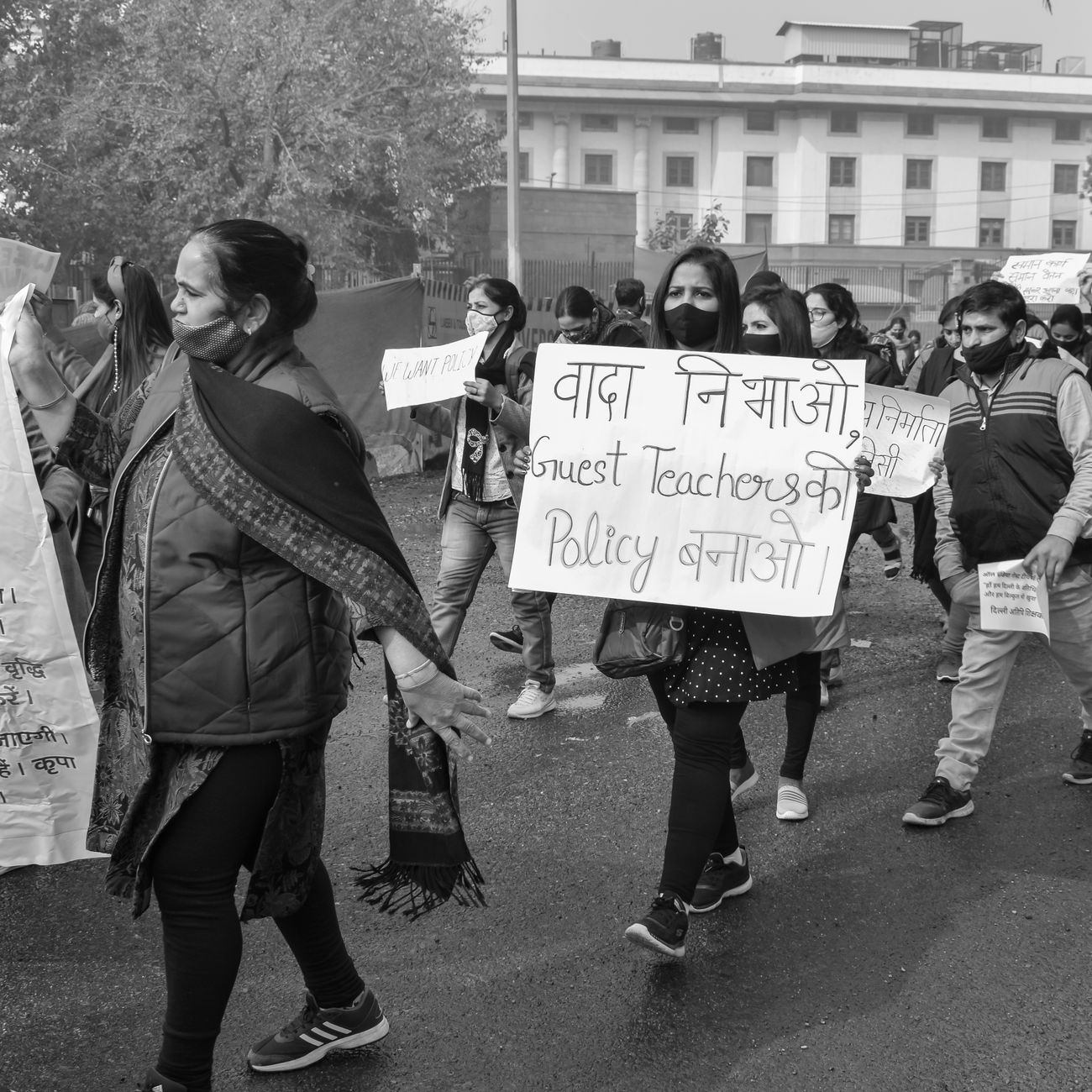
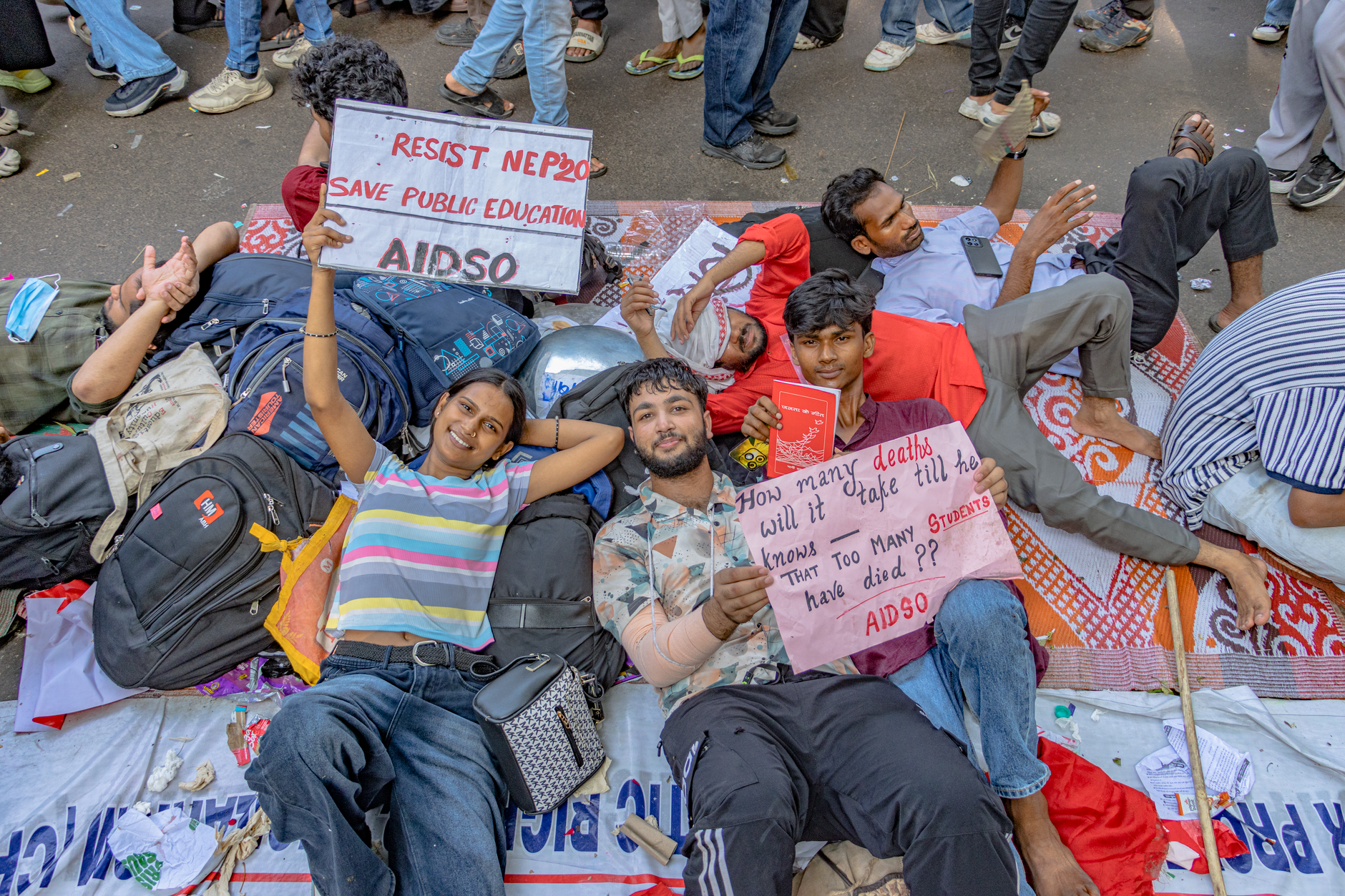
The decline in education spending has not gone unnoticed by students and education activists. Youth protests have erupted across various states, with students demanding better infrastructure, more teachers, and increased budget allocations for education. These demonstrations reflect growing frustration among young Indians who see education as their pathway to economic mobility and better opportunities.
Student unions, teachers' associations, and civil society organizations have joined forces to advocate for increased education spending. Their demands often include restoring education budgets to recommended levels, improving infrastructure, filling vacant teaching positions, and ensuring adequate funding for scholarships and student welfare schemes.
The protests also highlight broader concerns about employment prospects and the perceived disconnect between educational investments and job creation. Young Indians increasingly question whether the current system adequately prepares them for the modern economy.
What Experts Recommend
Education policy experts and economists consistently emphasize that investing in education yields significant long-term economic returns. They recommend that states allocate at least 6 percent of GDP to education, as suggested by various education commissions and policy frameworks.
Specific recommendations include prioritizing quality over quantity in expansion plans, investing in teacher training and retention, modernizing curriculum to meet contemporary skill demands, and ensuring equitable distribution of resources between urban and rural areas. Experts also stress the importance of public-private partnerships that supplement rather than replace government spending.
The Path Forward
Reversing the decline in education spending requires political will and long-term vision. States must recognize that education is not merely an expenditure but an investment in human capital that drives economic growth, reduces inequality, and strengthens democratic participation.
With India's youth bulge presenting both an opportunity and a challenge, how states choose to invest in education today will determine whether the country realizes its demographic dividend or faces a crisis of unemployed and underskilled youth. The current protests serve as a reminder that young Indians are watching closely and demanding accountability from their governments.