The summer travel season, traditionally a time when Indian families and young professionals plan their international getaways, has taken on a different complexion in recent years. With ongoing conflicts in various parts of the world, from Eastern Europe to the Middle East, Indian travelers are finding themselves in uncharted territory, forced to balance wanderlust with safety concerns and practical considerations.
The New Reality of Destination Selection
Gone are the days when picking a summer destination was simply about finding the best deals or the most Instagram-worthy locations. Today's Indian travelers are closely monitoring news channels and government advisories before booking their tickets. The Ministry of External Affairs regularly updates its travel advisories, and these warnings now carry significant weight in vacation planning decisions.
Popular destinations that once topped Indian travel wish lists have seen dramatic declines in bookings. Europe, particularly Eastern European countries near conflict zones, has experienced a notable drop in Indian tourist arrivals. Similarly, parts of the Middle East that traditionally attracted Indian travelers for shopping, cultural experiences, and transit connections have seen fluctuating demand based on regional stability.
The Rise of Alternative Destinations
As some doors close, others open. Travel agents across India report a surge in bookings for destinations perceived as politically stable and geographically distant from conflict zones. Southeast Asian countries like Vietnam, Thailand, and Indonesia are experiencing increased interest from Indian tourists. These destinations offer cultural richness, favorable exchange rates, and most importantly, peace of mind.
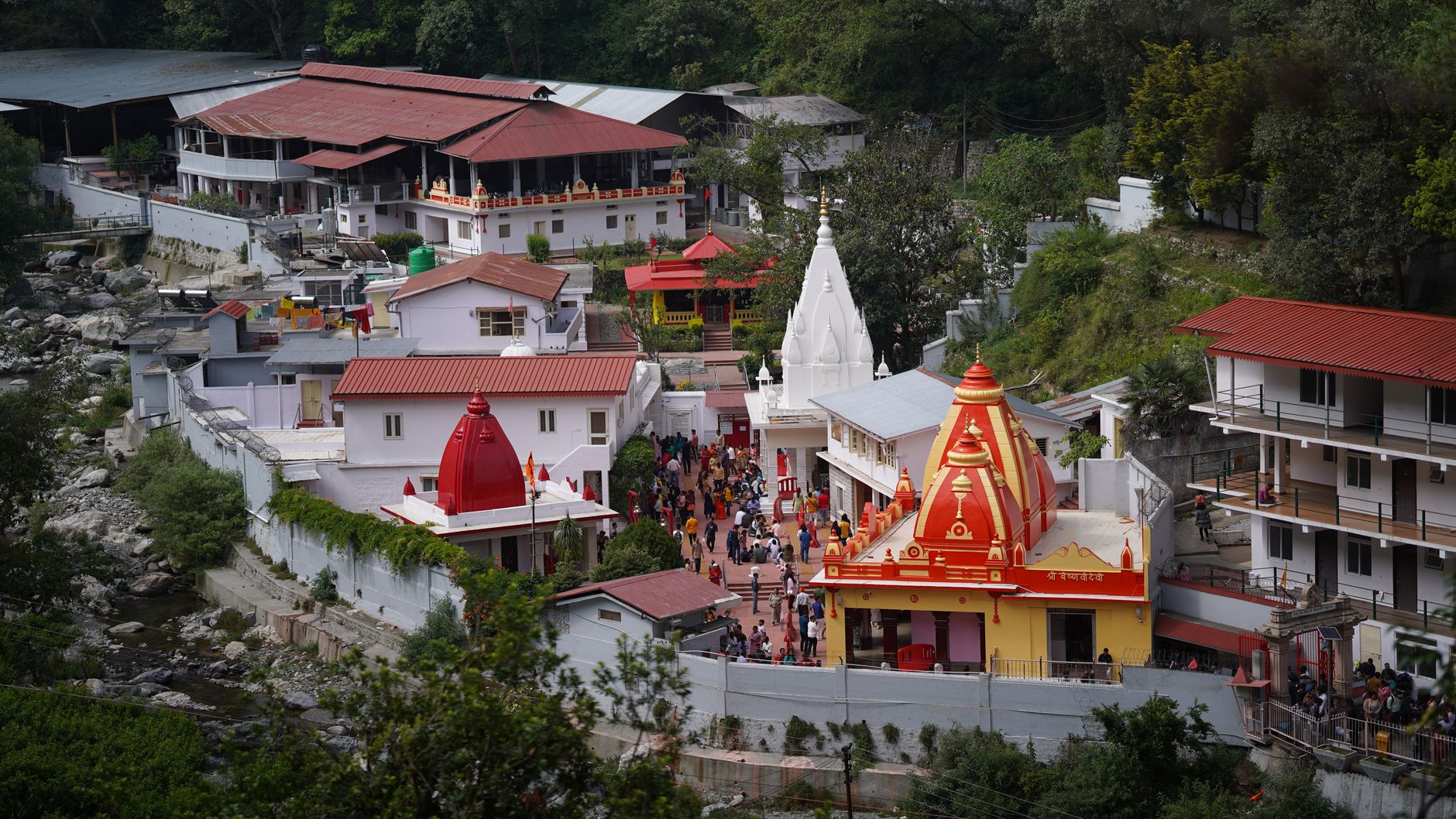
Domestic tourism has also received an unexpected boost. With international travel carrying added layers of complexity and risk, many Indian families are rediscovering their own country. From the mountains of Uttarakhand to the beaches of Andaman and Nicobar Islands, domestic destinations are seeing record bookings. This shift has positive implications for India's tourism economy, creating employment and boosting local businesses.
Countries in South America and Africa that were previously considered niche destinations are now attracting mainstream Indian travelers. Brazil, Argentina, Kenya, and Tanzania are seeing growing interest as travelers seek exotic experiences in regions far removed from current geopolitical hotspots.
The Financial Impact
Global conflicts don't just affect where people travel—they impact how much they pay. Aviation fuel prices tend to spike during geopolitical instability, leading to higher airfares. Indian travelers are noticing significantly increased ticket prices, particularly for routes that require longer detours to avoid conflict zones or restricted airspace.
Travel insurance premiums have also climbed. Insurance companies now factor in geopolitical risks more heavily, and policies covering conflict-affected regions come with substantially higher premiums. Some insurers exclude certain countries entirely from standard coverage, requiring travelers to purchase specialized policies.
Currency fluctuations triggered by global instability add another layer of financial unpredictability. The rupee's performance against major currencies can shift rapidly during times of international tension, affecting everything from hotel bookings to shopping budgets.
Practical Considerations for Modern Travelers
- Check the Ministry of External Affairs website for current travel advisories before booking any international trip
- Register with the Indian embassy or consulate in your destination country through the Madad portal
- Purchase comprehensive travel insurance that specifically covers geopolitical risks and evacuation
- Keep digital and physical copies of important documents including passport, visa, and emergency contacts
- Maintain flexible booking options when possible, even if they cost slightly more
- Stay informed about your destination through multiple reliable news sources
- Join Indian traveler groups or forums specific to your destination for real-time updates
The Human Element
Beyond statistics and bookings, there's a human story unfolding. Indian travelers are learning to be more informed, more cautious, and more adaptable. Families are having difficult conversations about whether that European dream vacation is worth the risk. Young professionals are weighing career networking opportunities at international conferences against safety concerns.
Travel companies are evolving too, offering more comprehensive pre-trip briefings and 24/7 support services. Many are providing detailed security assessments and evacuation plans as part of their packages for destinations near conflict zones.
Looking Ahead
The intersection of tourism and global conflict represents a new normal that travelers must navigate. While this reality adds complexity to vacation planning, it also encourages more thoughtful, informed travel decisions. Indian tourists are becoming globally aware citizens, understanding that their travel choices exist within a larger geopolitical context.
The travel industry continues to adapt, finding creative solutions to help people explore the world safely. As conflicts eventually resolve and new challenges emerge, the lessons learned during this period will likely shape how Indians approach international travel for years to come.