Northeast India has long remained one of the country's most underexplored regions despite possessing extraordinary natural beauty, rich cultural heritage, and unique wildlife. Assam's recent achievement of attracting six crore tourists represents a watershed moment not just for the state but for the entire northeastern region, demonstrating that concerted tourism development efforts can transform visitor perceptions and economic prospects.
The Significance of Six Crore Visitors
The milestone of six crore tourists visiting Assam reflects years of strategic planning, infrastructure development, and promotional activities by state and central government agencies. This figure represents a dramatic increase from previous decades when the Northeast was often overlooked in favor of more established tourist circuits like Rajasthan, Kerala, or Goa. The tourism boom has created employment opportunities across hospitality, transportation, handicrafts, and adventure sports sectors, providing livelihoods to thousands of families.
This influx has also challenged outdated perceptions about the accessibility and safety of Northeast India, demonstrating that the region is ready to welcome domestic and international travelers seeking authentic experiences away from overcrowded tourist hotspots.
Assam's Diverse Tourism Offerings
Assam's tourism appeal lies in its remarkable diversity. The state is home to Kaziranga National Park, a UNESCO World Heritage Site and the premier destination for spotting the endangered one-horned rhinoceros. Wildlife enthusiasts also flock to Manas National Park, another UNESCO site, which offers opportunities to see tigers, elephants, and rare golden langurs.
Beyond wildlife, Assam's tea gardens present a unique agritourism experience. Visitors can stay in heritage tea bungalows, learn about tea cultivation and processing, and sample some of the world's finest Assam tea varieties. The Brahmaputra River provides opportunities for river cruises, offering perspectives on riverside villages, island monasteries like Majuli, and traditional lifestyles.
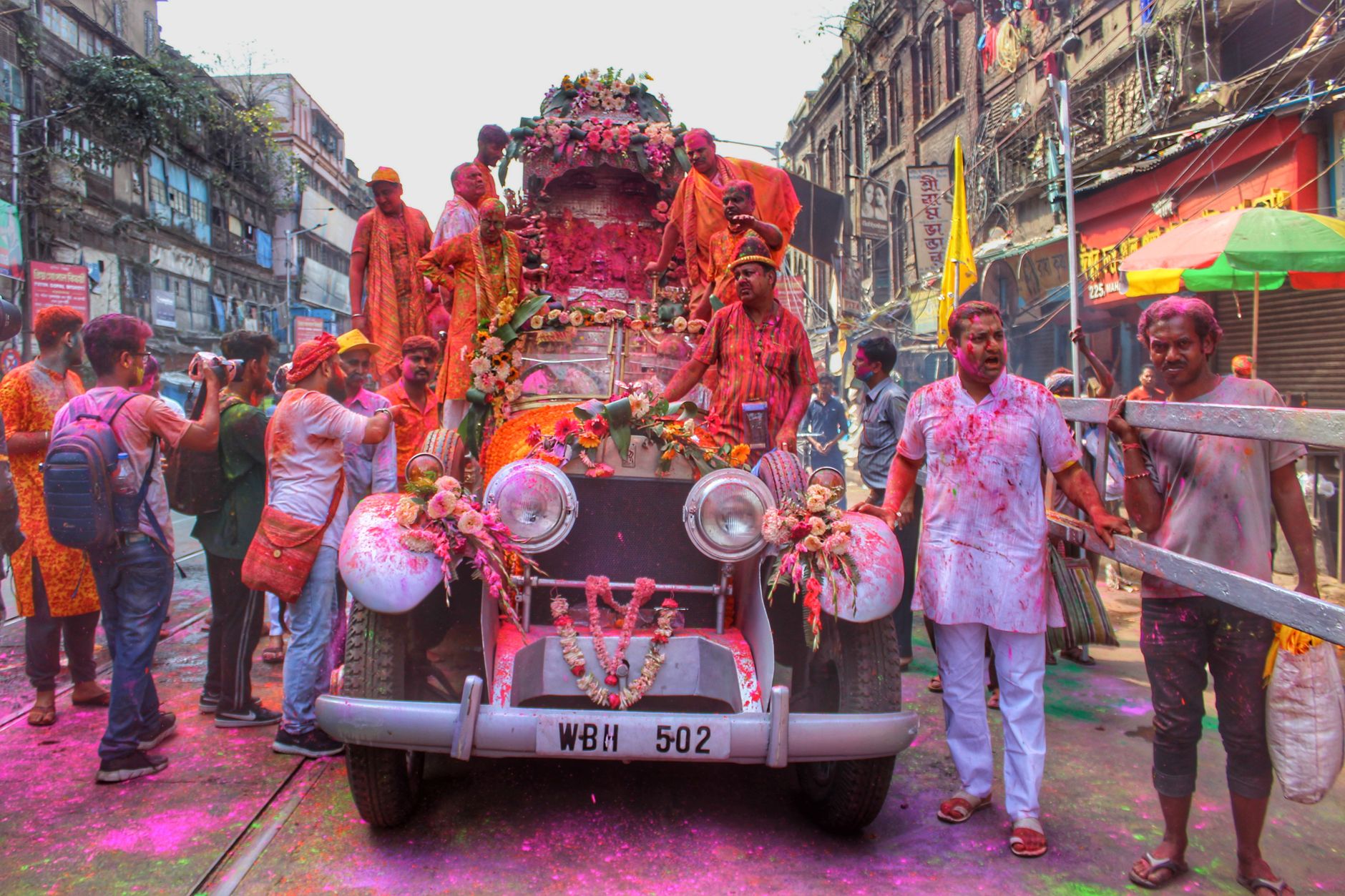
Cultural tourism is another major draw. Assam's diverse ethnic communities, including Assamese, Bodo, Mishing, and numerous tribal groups, celebrate vibrant festivals like Bihu, Rongali, and Bwisagu. The state's ancient temples, including Kamakhya Temple in Guwahati, attract pilgrims and cultural enthusiasts alike.
Adventure Travel and New Experiences
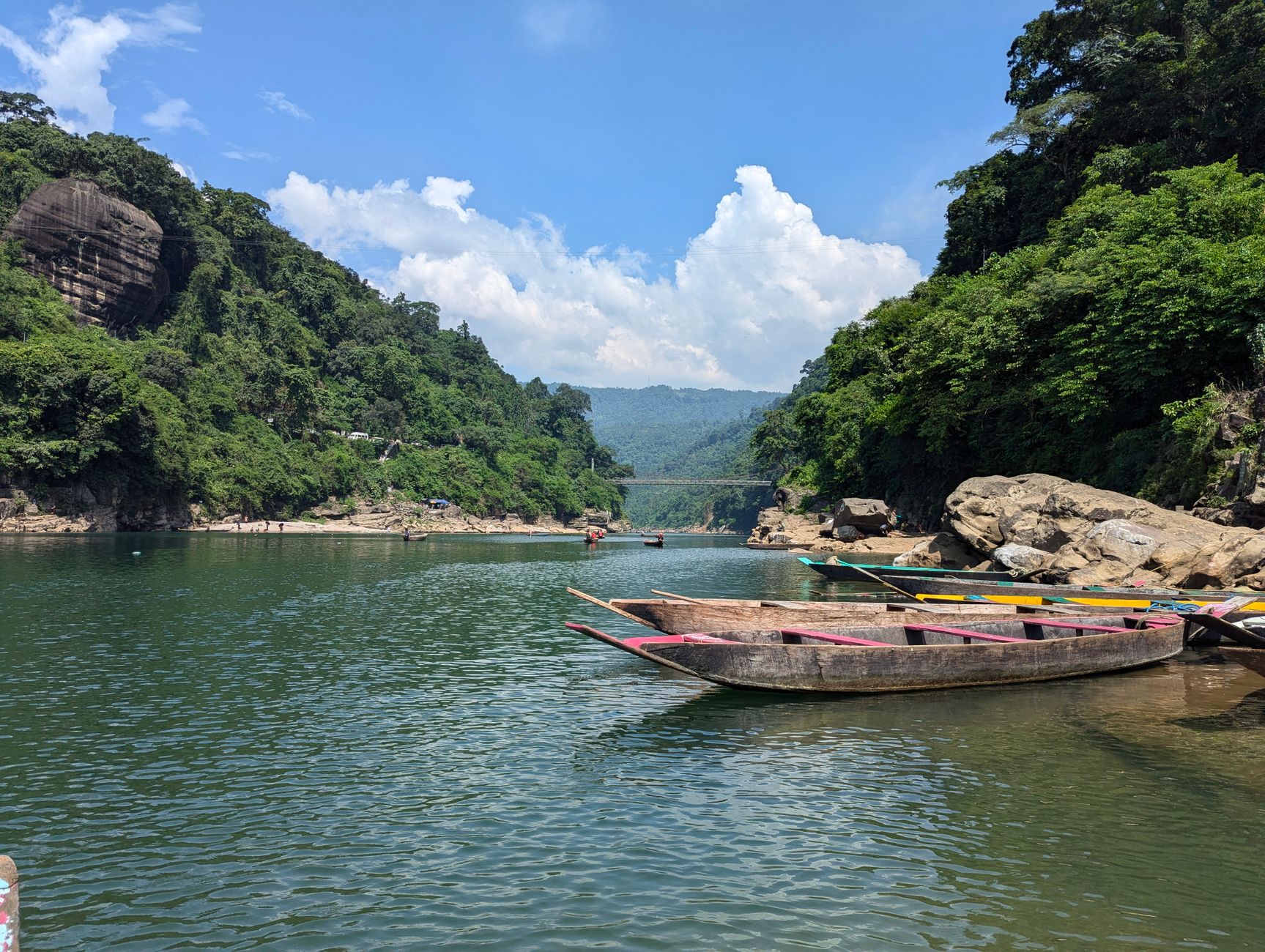
The designation of this achievement as ushering in a "new era of adventure travel" reflects Assam's expanding portfolio beyond conventional sightseeing. The state now offers white-water rafting on tributaries of the Brahmaputra, trekking in the lesser-known hill ranges, mountain biking trails, and angling expeditions. Paragliding sites are being developed, and wildlife photography tours have gained popularity among serious photographers and nature enthusiasts.
The Northeast's unique position as India's gateway to Southeast Asia also positions Assam as a transit hub for travelers exploring the broader region, including Arunachal Pradesh, Meghalaya, Nagaland, and beyond.
Infrastructure Development Driving Growth
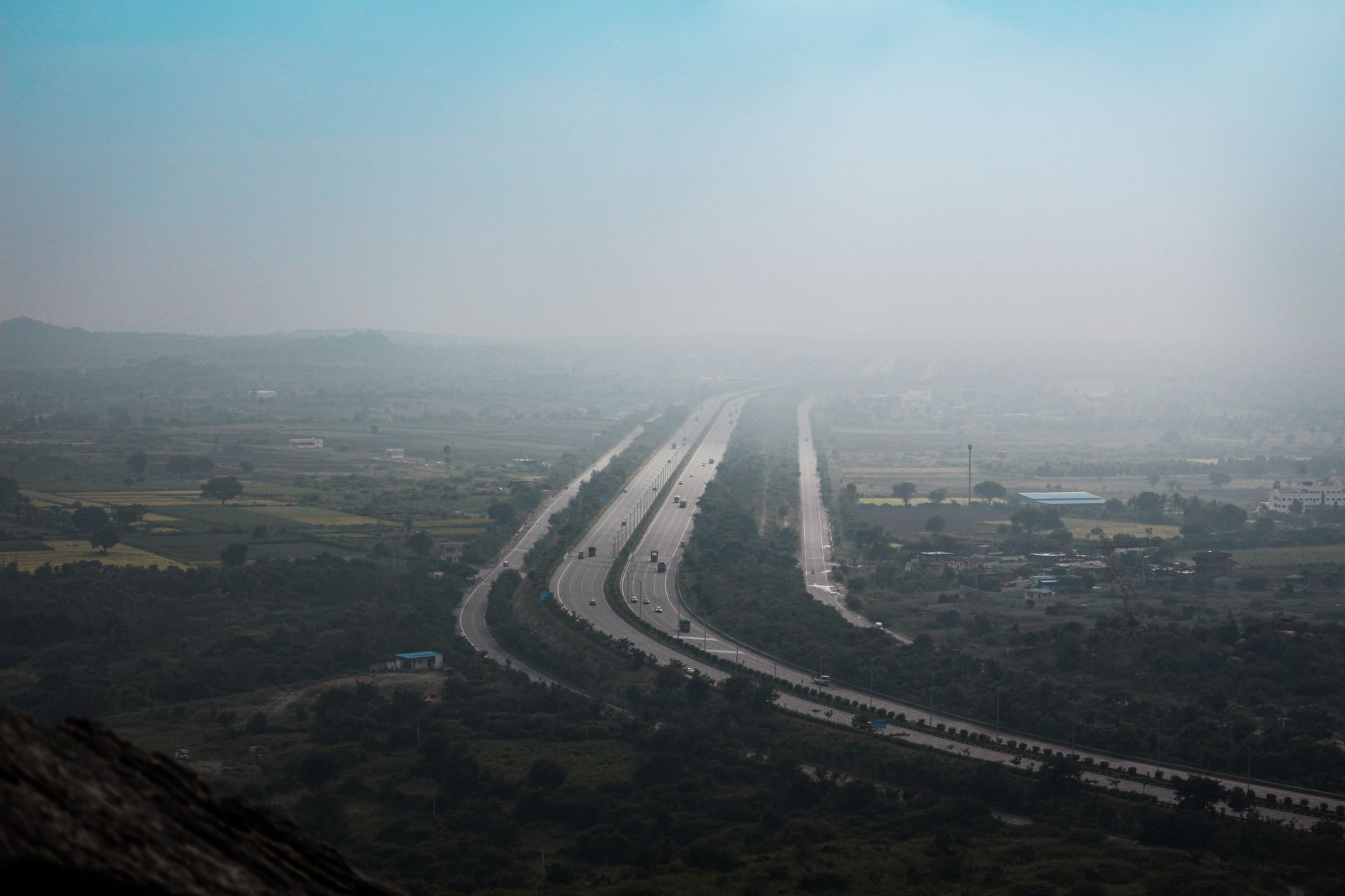
This tourism surge has been facilitated by substantial infrastructure improvements. Guwahati's Lokpriya Gopinath Bordoloi International Airport has enhanced connectivity with more domestic and international flights. Road connectivity has improved significantly, with better highways linking major attractions. The hospitality sector has expanded with new hotels, resorts, and homestays catering to various budget segments.
Digital connectivity improvements have made it easier for travelers to research destinations, book accommodations, and share experiences through social media, creating organic promotion that attracts more visitors.
Economic and Social Impact
The economic multiplier effect of six crore tourists cannot be understated. Beyond direct spending on accommodation, food, and transportation, tourism stimulates local handicrafts, handloom industries, organic food markets, and cultural performances. Women's self-help groups have particularly benefited through homestay operations and local guide services.
However, this rapid growth also presents challenges. Carrying capacity concerns at popular sites like Kaziranga require careful management to prevent environmental degradation. Local communities must be included in tourism planning to ensure equitable benefit distribution and cultural preservation.
Looking Forward
Assam's tourism success offers a blueprint for other northeastern states and underexplored regions across India. Sustainable tourism practices, community involvement, infrastructure development, and authentic marketing can transform regional economies while preserving natural and cultural assets. As domestic travel continues to grow and international interest in offbeat destinations increases, Assam and Northeast India are positioned to become major players in India's tourism landscape, offering experiences that complement rather than replicate the country's established tourist circuits.