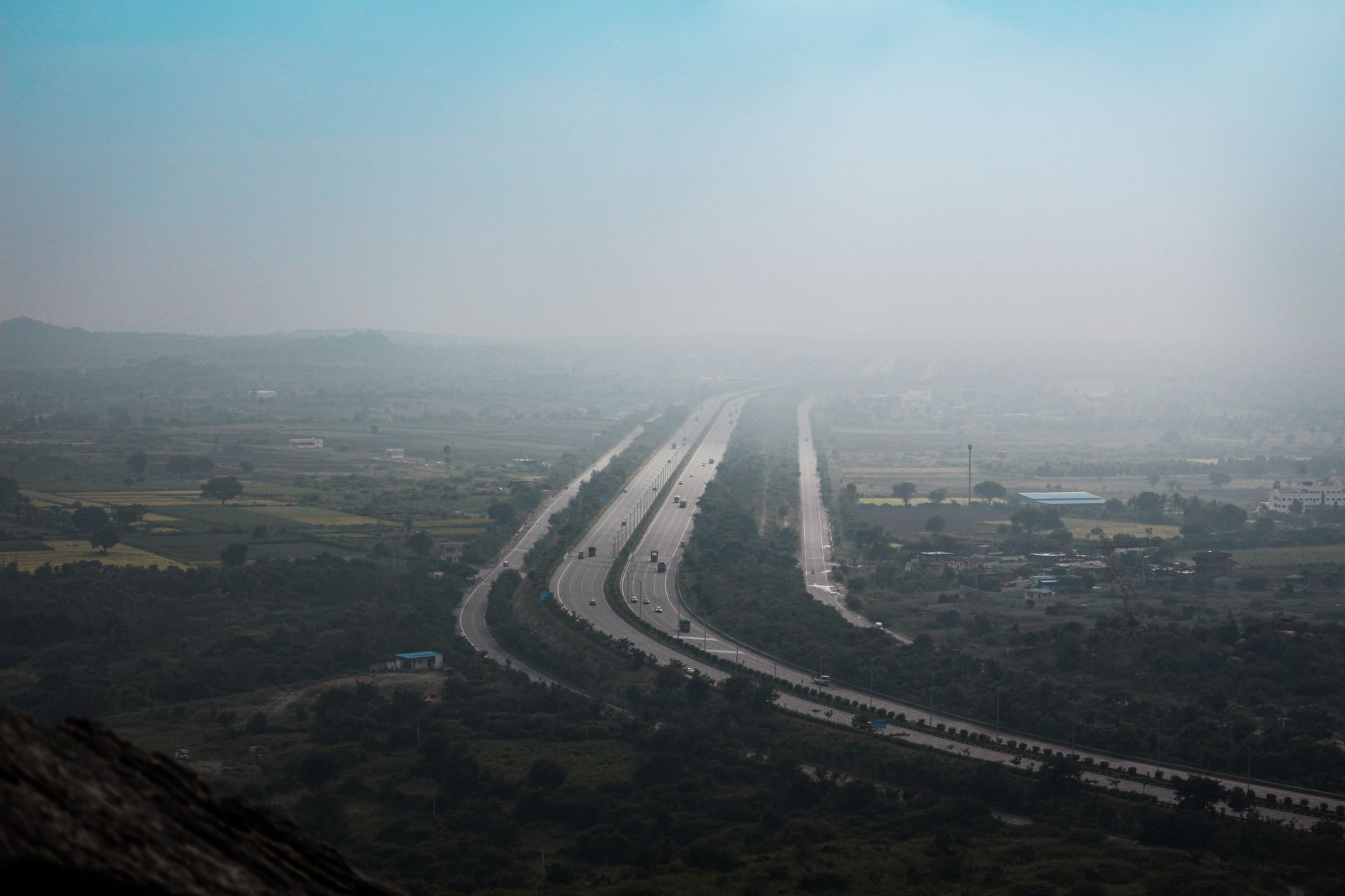
The announcement of a ₹7,597 crore expansion project for National Highway 63 and National Highway 563 signals a transformative phase for northern Telangana's travel and tourism landscape. This ambitious infrastructure initiative is set to address long-standing connectivity challenges while opening new opportunities for economic development and religious tourism in a region rich with cultural heritage.
Understanding the Strategic Importance
Northern Telangana has historically faced connectivity constraints that limited its economic potential despite housing several significant pilgrimage sites and agricultural hubs. The region encompasses districts including Nizamabad, Adilabad, Komaram Bheem, and Mancherial, which serve as gateways between Telangana and neighboring Maharashtra and Chhattisgarh.
NH-63 runs through critical corridors connecting major towns and religious destinations, while NH-563 provides vital linkages to tribal areas and important trade routes. The expansion of these highways addresses a fundamental infrastructure gap that has impacted everything from farmer incomes to tourist accessibility.
Impact on Pilgrimage Tourism
Northern Telangana hosts numerous temples and religious sites that attract devotees throughout the year. The Basar Saraswati Temple, Dichpally Ramalayam, and various Jain pilgrimage centers draw thousands of visitors, yet inadequate road infrastructure has often deterred longer visits and repeat tourism.
The highway expansion will dramatically reduce travel times from major cities like Hyderabad, Nagpur, and Raipur to these spiritual destinations. Better connectivity typically translates to increased tourist footfall, longer stays, and greater spending in local economies. Temple towns can expect infrastructure development to spur growth in hospitality, restaurants, and ancillary tourism services.
Improved road safety through wider carriageways, better signage, and modern engineering will particularly benefit families and elderly pilgrims who previously found the journey challenging during peak seasons or monsoons.
Economic and Trade Implications
The northern Telangana region is predominantly agricultural, with significant production of paddy, turmeric, cotton, and soybeans. Farmers have long struggled with transportation costs and produce wastage due to poor road conditions. The expanded highways will enable faster movement of agricultural goods to markets and processing units, potentially increasing farmer incomes by reducing spoilage and transportation expenses.
The region also has substantial mining and forest-based industries. Enhanced highway infrastructure will facilitate more efficient movement of raw materials and finished goods, making the region more attractive for industrial investment. Manufacturing units often consider road connectivity a primary factor when selecting locations, and this project could catalyze new industrial development.
Features of Modern Highway Infrastructure
Contemporary national highway projects incorporate several advanced features that go beyond simple road widening. These typically include:
- Bypass roads around congested towns to reduce travel time
- Service roads for local traffic separation
- Dedicated truck lay-bys and rest areas
- Improved drainage systems to prevent monsoon flooding
- Enhanced lighting at critical junctions
- Wildlife crossings in forested sections
- Digital signage and intelligent transportation systems
Such amenities transform the driving experience and significantly improve road safety statistics, which is particularly crucial on highways connecting rural areas where accident rates have historically been higher.
Timeline and Implementation Challenges
Large-scale highway projects in India typically face challenges including land acquisition, environmental clearances, and coordination across multiple government agencies. The actual timeline for completion will depend on how efficiently these hurdles are navigated.
Phased implementation often means that certain stretches become operational before others, providing immediate benefits to some areas while others await completion. Travelers and businesses should monitor project updates to plan accordingly.
Broader Regional Development
Infrastructure projects of this magnitude create ripple effects throughout regional economies. Construction phases generate temporary employment, while completed highways enable permanent economic transformation. Small towns along the routes often experience growth in real estate values, retail development, and service sector employment.
Educational and healthcare accessibility also improves dramatically, as students and patients can reach institutions in larger cities more readily. This connectivity helps stem migration from rural to urban areas by making essential services more accessible without relocation.
The northern Telangana highway expansion represents more than a construction project—it's an investment in regional equity, ensuring that development benefits reach beyond metropolitan corridors to transform lives in smaller towns and rural communities.
This article is for general informational purposes only and does not constitute professional advice regarding investment decisions related to real estate or business opportunities along the mentioned highways.