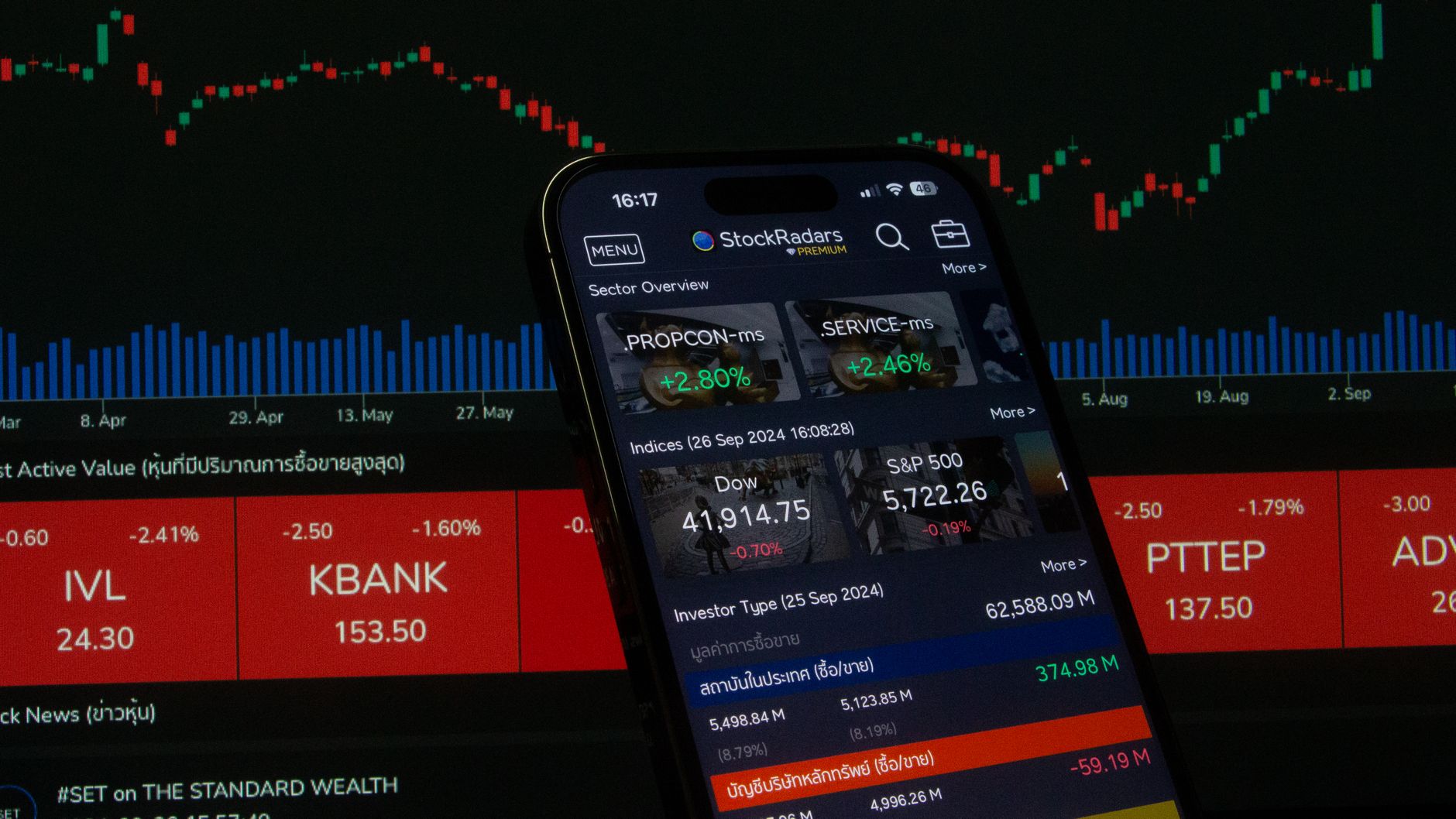
Short selling has long been viewed with suspicion by regulators, corporate executives, and even many retail investors. The practice of borrowing shares to sell them in hopes of buying them back cheaper seems counterintuitive and even predatory. However, a closer examination reveals that short selling provides several important benefits to financial markets and investors as a whole.
Understanding Short Selling Basics
Short selling involves borrowing shares of a stock you believe is overvalued, selling them at the current market price, and later buying them back at a lower price to return to the lender. The profit comes from the difference between the selling and buying prices, minus borrowing costs and fees. While this carries unlimited theoretical risk if the stock price rises instead of falls, it serves important market functions.
Price Discovery and Market Efficiency
One of the primary benefits of short selling is its contribution to accurate price discovery. Markets work best when prices reflect all available information, both positive and negative. Short sellers actively seek out overvalued stocks and help correct pricing inefficiencies by adding selling pressure to inflated securities.
Without short sellers, stocks would be more prone to speculative bubbles. Only optimistic investors would influence prices through buying, while skeptical investors would simply stay on the sidelines. Short sellers put their money where their analysis is, helping prevent stocks from becoming dangerously disconnected from fundamental values.
Exposing Fraud and Corporate Misconduct
History has shown that short sellers often play a crucial role in uncovering corporate fraud and accounting irregularities. Notable examples include Enron, where short sellers were among the first to question the company's accounting practices, and more recently various instances where short-focused research firms have exposed inflated revenue claims or undisclosed related-party transactions.
Short sellers have strong financial incentives to conduct deep research into company operations, often going beyond what typical buy-side analysts might pursue. This scrutiny benefits all investors by bringing hidden problems to light before they cause catastrophic losses for uninformed shareholders.
Providing Market Liquidity
Short sellers add liquidity to markets by providing a ready pool of sellers even when sentiment is overwhelmingly positive. This liquidity is particularly valuable during market stress, as short sellers buying back shares (covering their positions) can provide stabilizing demand during sharp downturns.
The presence of short sellers also means that bid-ask spreads tend to be narrower, reducing transaction costs for all investors. Market makers and institutional investors rely on the ability to short sell to hedge positions and manage risk efficiently.
Risk Management and Portfolio Hedging
For sophisticated investors, short selling provides essential tools for managing portfolio risk. Investors can hedge long positions by shorting related securities, sectors, or market indices. This ability to profit from or protect against declining markets makes portfolios more resilient across different economic conditions.
The availability of short selling also enables various investment strategies that benefit individual investors indirectly, including market-neutral funds, long-short equity strategies, and hedge funds that can generate returns regardless of overall market direction.
Improving Corporate Governance
Companies whose shares can be freely shorted face additional market discipline. Management teams know that poor decisions, excessive compensation, or questionable accounting will attract short sellers whose research may influence other investors. This creates incentives for better corporate governance and more conservative financial reporting.
Considerations and Misconceptions
Critics argue that short sellers profit from others' misery and can manipulate markets through spreading false rumors. While manipulative practices should be prosecuted, legitimate short selling based on fundamental research serves important market functions. Research consistently shows that markets with short-selling restrictions tend to be less efficient and more prone to overvaluation.
For long-term investors focused on quality companies with strong fundamentals, short sellers should not be feared. If a company is genuinely undervalued or has solid prospects, short sellers will eventually need to buy back shares, potentially adding to upward price pressure. Conversely, if short sellers identify real problems, all shareholders benefit from having those issues exposed sooner rather than later.
This article is for informational purposes only and does not constitute investment advice. Short selling involves substantial risks including potentially unlimited losses and is not suitable for all investors. Consult with a qualified financial advisor before implementing any investment strategy involving short positions.