The Public Distribution System (PDS) has been India's cornerstone food security programme for decades, providing subsidized food grains to millions of households. However, complaints about the quality of ration rice have persisted, raising questions about why a system designed to help often delivers substandard products. Understanding this issue requires examining the economics, logistics, and policy framework behind India's vast grain distribution network.
The Procurement and Pricing Challenge
The government procures rice and wheat from farmers at Minimum Support Prices (MSP) and distributes them through Fair Price Shops at highly subsidized rates. However, the procurement system often accepts lower-grade produce alongside premium quality grains. Since farmers receive the same MSP regardless of quality variations within acceptable standards, there's limited incentive to supply only the best grains to government agencies.
The pricing structure compounds this problem. Priority households receive rice at ₹3 per kilogram, while the economic cost of procurement, storage, and distribution can exceed ₹35-40 per kilogram. This massive subsidy burden encourages cost-cutting measures throughout the supply chain, sometimes at the expense of quality.
Storage and Handling Issues
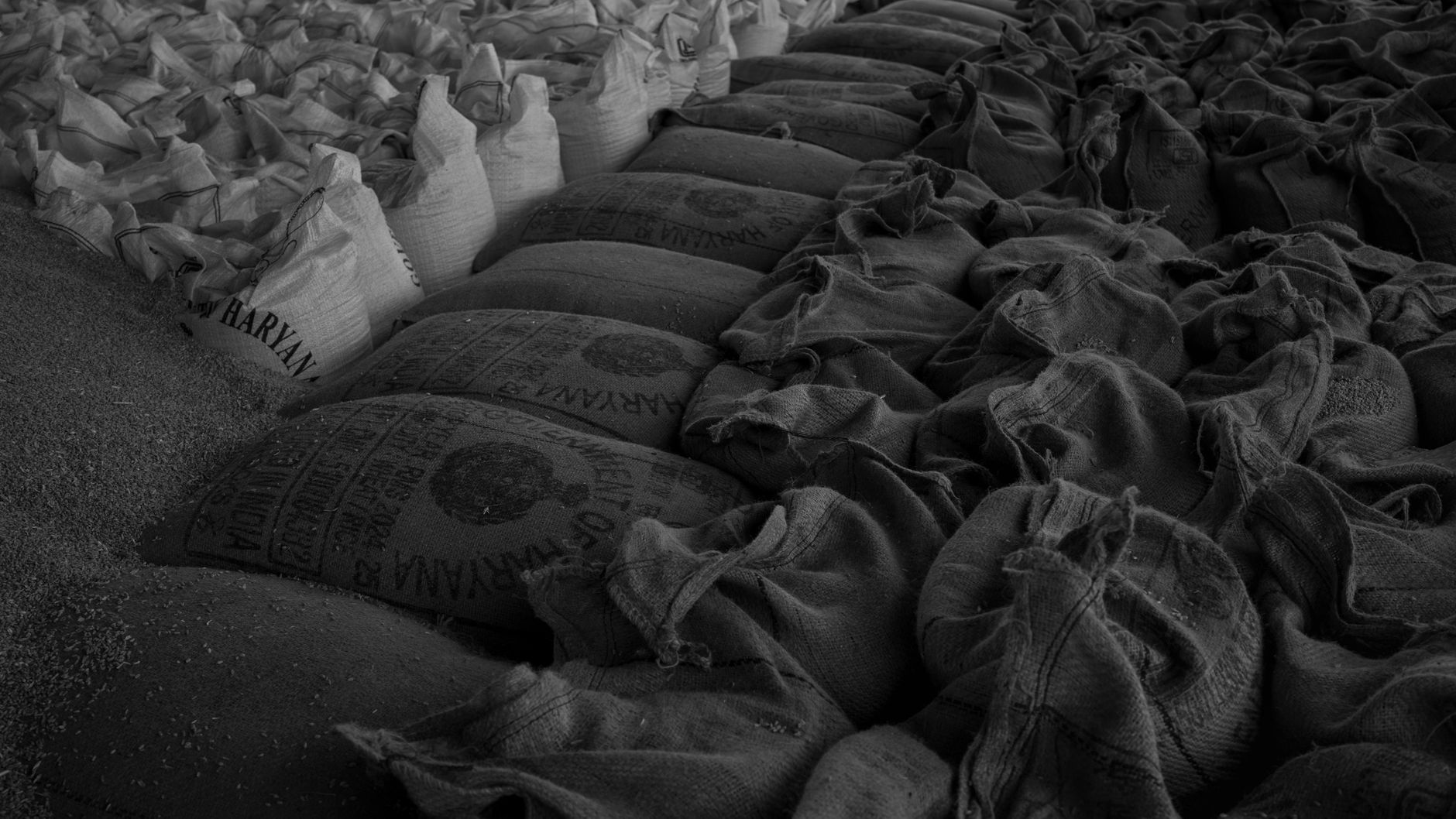
Once procured, food grains enter a complex storage network managed by the Food Corporation of India (FCI) and state agencies. The journey from procurement to distribution can take several months, during which rice passes through multiple warehouses.
Storage challenges include:
- Inadequate modern storage facilities in many regions, exposing grains to moisture and pests
- Extended storage periods that degrade grain quality over time
- Multiple handling points where contamination or mixing with inferior stocks can occur
- Insufficient fumigation or pest control in some facilities
- Temperature and humidity fluctuations affecting grain integrity
The 'first in, first out' inventory management principle isn't always followed strictly, meaning older stocks may remain in storage longer than optimal, further degrading quality.
The Age Factor
Rice quality deteriorates over time, with factors like moisture content, broken grain percentage, and nutritional value all declining during storage. PDS rice often consists of older stocks cleared from warehouses, while fresh procurement goes to build buffer stocks. This means beneficiaries frequently receive rice that has been stored for extended periods, even if it technically remains within acceptable standards.
Specification Standards and Testing
The Food Corporation of India follows specific quality parameters for procurement, including moisture content, broken grain percentage, and foreign matter. However, these minimum acceptable standards are designed for food security rather than premium quality. Rice that meets these basic criteria may still be far inferior to what consumers purchase from the open market.
Testing procedures at procurement centers may not always be rigorous, and the sheer volume of grains makes comprehensive quality checks challenging. Some states have better enforcement than others, creating regional variations in PDS rice quality.
Economic Constraints and System Leakages
The PDS operates under severe financial constraints. With the food subsidy bill already exceeding ₹2 lakh crore annually, there's limited fiscal space to upgrade quality without significantly increasing costs. Any quality enhancement would require either higher procurement prices, better storage infrastructure, or increased distribution costs.
Additionally, historical issues of leakage and diversion have meant policy focus has centered on ensuring quantity reaches beneficiaries rather than optimizing quality. While Aadhaar-based reforms have reduced leakages significantly, the quality dimension remains less prioritized.
The Market Dynamics
Private traders typically purchase higher-quality rice from farmers by offering premiums above MSP for superior grains. This cream-skimming effect means government agencies often receive the remaining produce that meets minimum standards but lacks premium characteristics. Farmers naturally prefer to sell their best produce where they can command better prices.
The Way Forward
Improving ration rice quality requires systemic changes including upgrading storage infrastructure, reducing the time between procurement and distribution, implementing stricter quality controls, and perhaps introducing quality-differentiated pricing for farmers. Some states have experimented with fortified rice to enhance nutritional value, representing one approach to improving what beneficiaries receive.
The quality of PDS rice ultimately reflects the difficult balance between providing food security to hundreds of millions of people at affordable fiscal costs while maintaining acceptable standards. It's an investment in social welfare that faces inherent trade-offs between coverage, cost, and quality.
This article is for general informational purposes only and does not constitute financial, investment, or policy advice. Readers should consult relevant government guidelines and official sources for specific information about PDS entitlements and standards.