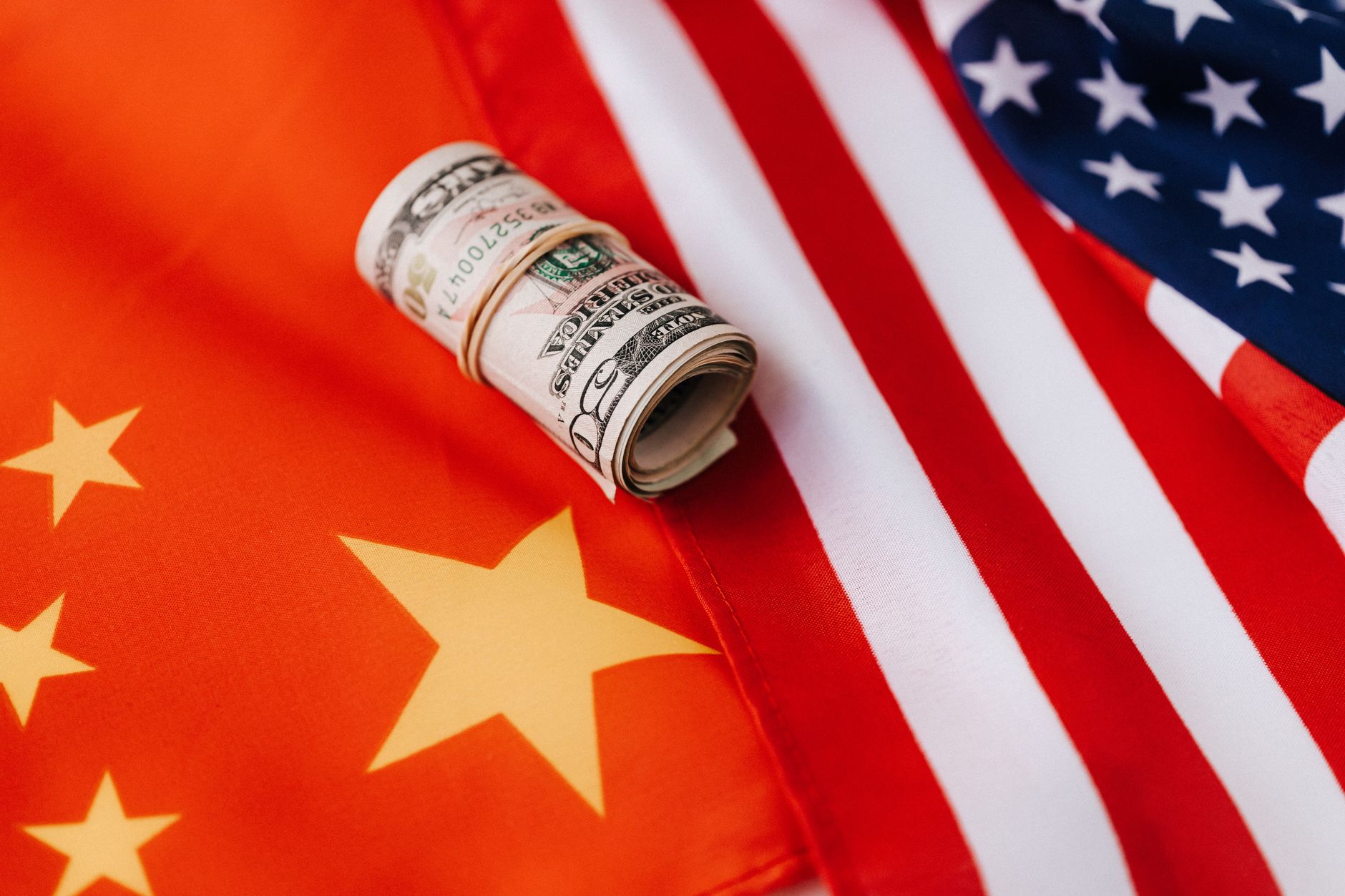
The global investment landscape presents Indian investors with an intriguing dilemma. While US stock markets continue their relentless march to new record highs, Chinese equities remain attractively valued despite being the world's second-largest economy. This divergence raises important questions about where Indians looking to diversify internationally should allocate their capital.
Understanding the US Market Rally
The US stock market's ascent to record levels is driven by several fundamental factors. The American economy continues to demonstrate resilience, with strong corporate earnings, particularly from technology giants. The artificial intelligence revolution has created substantial value for companies leading this transformation, pushing indices like the S&P 500 and Nasdaq to unprecedented levels.
However, these record highs come with elevated valuations. Price-to-earnings ratios for many US stocks are significantly above historical averages, meaning investors are paying a premium for future growth expectations. The US Federal Reserve's monetary policy decisions continue to influence market sentiment, and any hawkish stance could trigger volatility.
The China Value Proposition
Chinese markets present a contrasting picture. Despite being home to some of the world's largest and most innovative companies, Chinese stocks trade at valuations considerably lower than their US counterparts. This discount reflects several concerns including regulatory uncertainties, geopolitical tensions, property sector challenges, and questions about the pace of economic recovery.
For value-oriented investors, this presents potential opportunities. Many fundamentally strong Chinese companies operate in sectors like electric vehicles, renewable energy, and e-commerce with substantial growth prospects. The Chinese government's recent stimulus measures and supportive policies toward private enterprise have also improved sentiment.
Considerations for Indian Investors
Indian investors must evaluate several factors before committing capital to either market.
Currency risk plays a significant role in international investing. Both investments would be denominated in foreign currencies, exposing investors to rupee fluctuations. A strengthening rupee could erode returns even if the underlying investments perform well.
Regulatory and tax implications require careful attention. Investments in international markets are subject to different tax treatments compared to domestic equities. Capital gains from foreign stocks held for less than 24 months are taxed as short-term gains, while longer holdings attract long-term capital gains tax without indexation benefits.
Diversification Benefits
The primary rationale for international investing is diversification. US and Chinese markets often move independently from Indian markets, providing a hedge against domestic volatility. Economic cycles, industry exposures, and growth drivers differ across these geographies.
US markets offer exposure to global technology leaders and consumer brands with worldwide operations. Chinese markets provide access to the world's largest consumer market and companies benefiting from domestic consumption growth and technological advancement.
Investment Vehicles Available
Indian investors can access these markets through several routes. Mutual funds offering international equity exposure provide professional management and diversification within a single investment. Several fund houses offer dedicated US equity funds, China funds, or broader Asian equity funds.
Direct stock investing through the Liberalized Remittance Scheme allows individuals to invest up to USD 250,000 annually in foreign assets, though this requires opening international trading accounts and involves higher complexity.
Exchange-traded funds tracking US or Chinese indices offer another avenue, combining diversification with relatively lower costs compared to actively managed funds.
A Balanced Approach
Rather than choosing between US and Chinese markets, investors might consider allocating to both based on their risk appetite and investment horizon. The US market offers stability and proven track records but at premium valuations. China offers value and growth potential but with higher uncertainty.
A prudent strategy might involve maintaining core exposure to Indian markets while allocating a smaller portion to international markets for diversification. Within that international allocation, splitting between developed markets like the US and emerging opportunities like China can balance risk and return potential.
Time horizon matters significantly. Short-term volatility in Chinese markets may concern traders, while long-term investors might view current valuations as entry points. US markets may continue their momentum despite high valuations, particularly if economic conditions remain supportive.
This article is for informational purposes only and should not be considered as investment advice. International investing carries risks including currency fluctuations, regulatory changes, and market volatility. Investors should assess their financial goals, risk tolerance, and consult with qualified financial advisors before making investment decisions in foreign markets.