The Indian stock market represents one of the most dynamic investment landscapes in Asia, with millions of retail and institutional investors tracking daily movements to make informed decisions. At the heart of this ecosystem lies the Nifty 50, a benchmark index that serves as a barometer for the overall health of Indian equities.
What is the Nifty 50?
The Nifty 50 is the flagship index of the National Stock Exchange of India, comprising 50 of the largest and most liquid Indian companies across 13 sectors. These companies represent approximately 66% of the free-float market capitalization of the NSE, making the index a reliable indicator of the broader market sentiment. Companies like Reliance Industries, HDFC Bank, Infosys, and Tata Consultancy Services form the backbone of this index.
Understanding Stock Market Predictions
Stock market predictions attempt to forecast future price movements based on various analytical methods. Investors and traders use these predictions to time their entry and exit points, though it's important to remember that no prediction method guarantees accuracy.
The primary approaches to market prediction include:
- Technical analysis: Studying historical price patterns, chart formations, and indicators like moving averages, RSI, and MACD
- Fundamental analysis: Evaluating company financials, earnings reports, and economic indicators
- Quantitative analysis: Using mathematical models and algorithms to identify trading opportunities
- Sentiment analysis: Gauging market mood through news flow, investor surveys, and social media trends
Factors Influencing Indian Market Movements
Several domestic and international factors drive the daily performance of Indian equity markets. Global cues significantly impact opening trends, as movements in US markets and Asian indices overnight set the tone for Indian trading sessions.
Domestic factors include quarterly corporate earnings, which often trigger significant volatility as companies announce their financial performance. The Reserve Bank of India's monetary policy decisions, particularly interest rate changes, directly affect liquidity and borrowing costs for businesses and consumers alike.
Foreign Institutional Investor flows represent another critical factor, as sustained buying or selling by FIIs can create strong directional trends. Similarly, crude oil prices hold special importance for India as a net importer, with rising oil costs potentially widening the current account deficit and pressuring the rupee.
Live Market Tracking and Its Importance
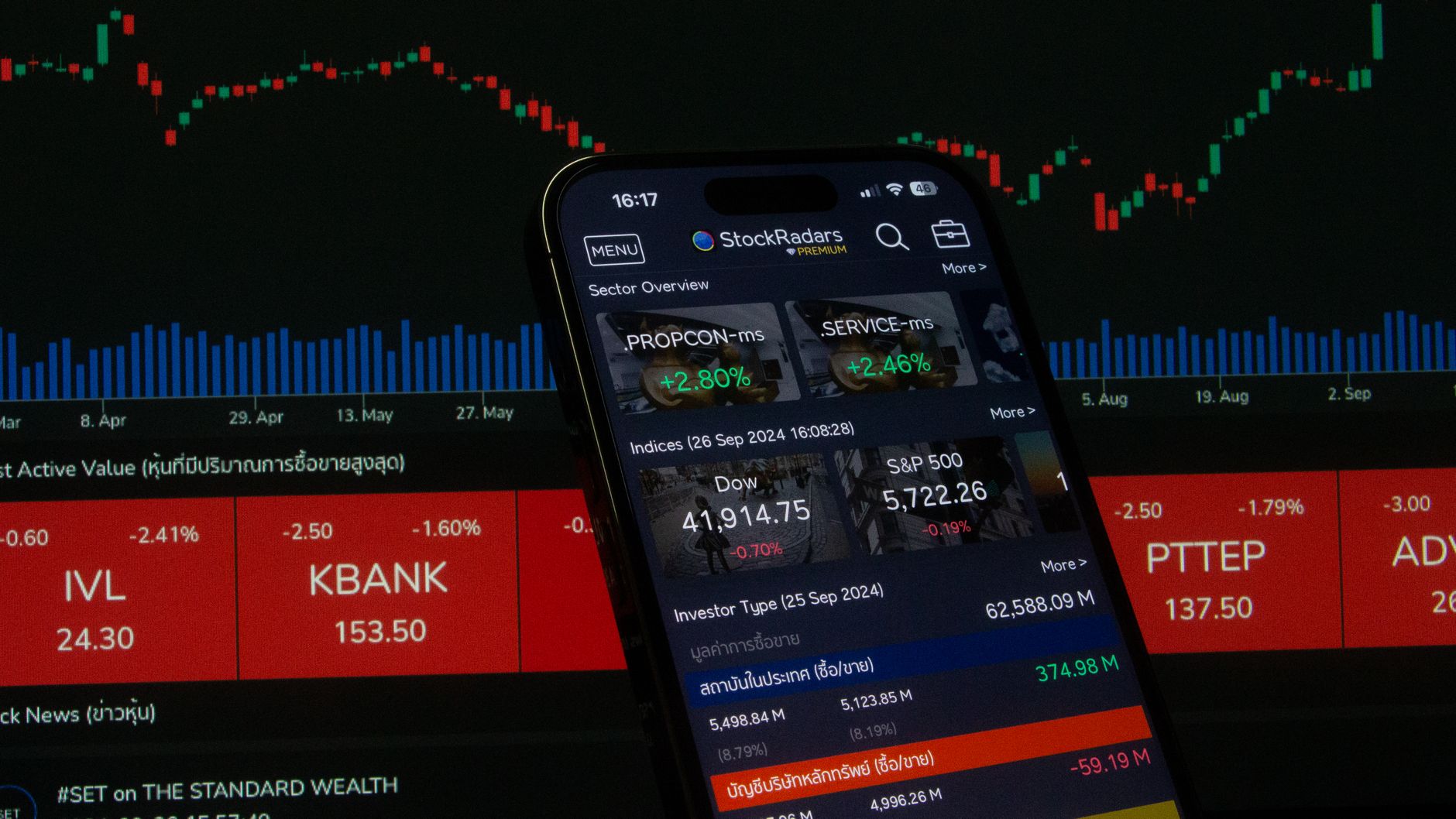
Live market updates have become essential tools for active investors and traders. Real-time data allows market participants to respond quickly to news events, earnings announcements, and sudden price movements. Most trading platforms now offer live streaming of index values, stock prices, and market depth information.
Key metrics tracked in live market updates include:
- Opening and closing values of major indices
- Top gainers and losers across market segments
- Sectoral performance comparisons
- FII and DII transaction data
- Currency and commodity movements
- Global market trends
Making Sense of Market Volatility
Short-term market volatility is a natural characteristic of equity markets and shouldn't necessarily alarm long-term investors. Daily fluctuations often reflect temporary sentiment shifts rather than fundamental changes in company values. However, understanding the causes of volatility helps investors distinguish between noise and genuine market signals.
Geopolitical tensions, unexpected economic data releases, and policy announcements can trigger sharp intraday movements. During such periods, disciplined investors often find opportunities to accumulate quality stocks at attractive valuations.
The Role of Technology in Modern Trading
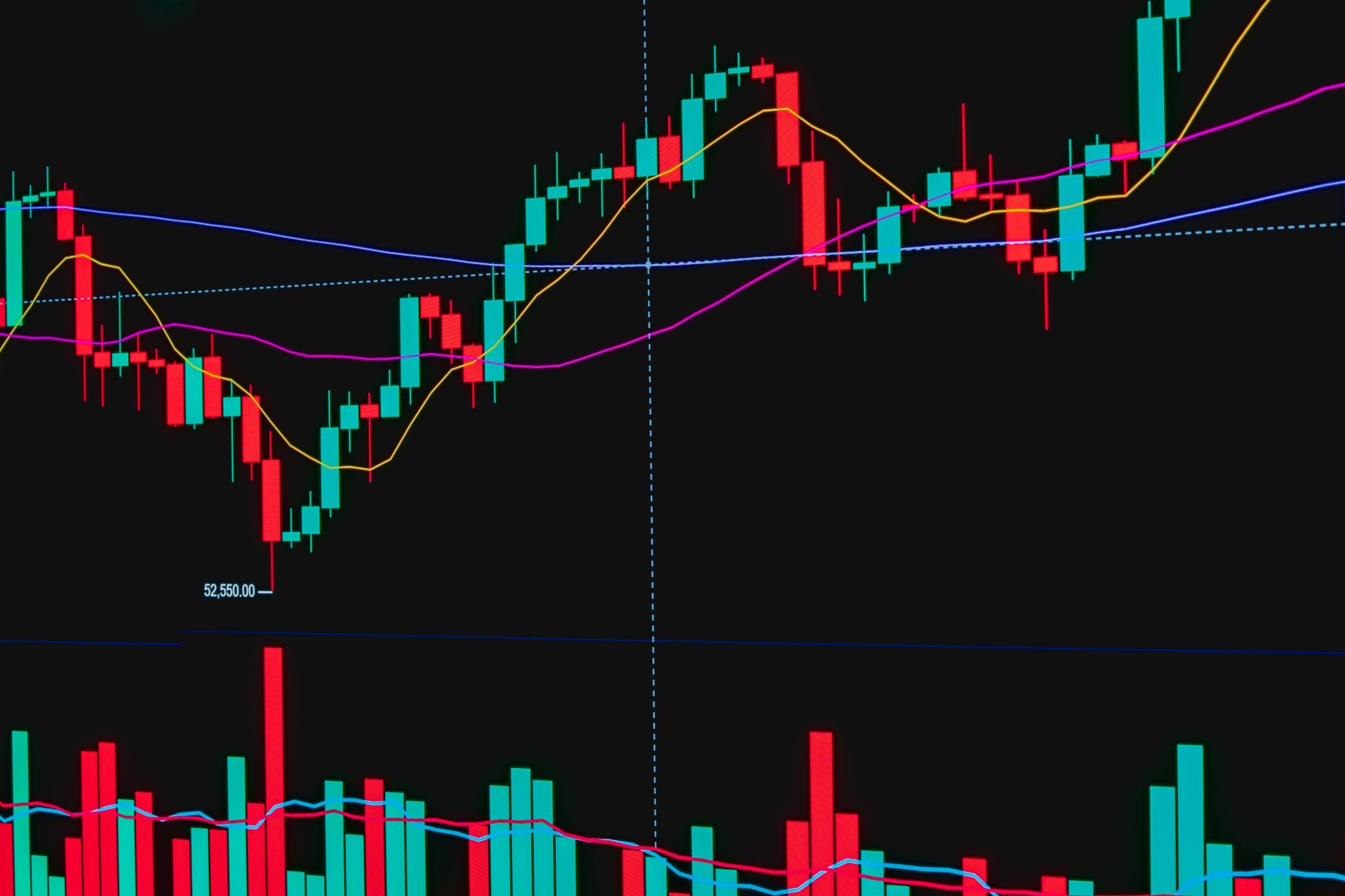
Technology has democratized access to market information and trading tools that were once exclusive to institutional investors. Mobile trading apps provide instant access to live quotes, research reports, and order execution capabilities. Advanced charting software helps technical analysts identify patterns and potential trade setups.
However, this easy access also increases the temptation to overtrade or make impulsive decisions based on short-term movements. Successful investing requires combining technological tools with sound investment principles and emotional discipline.
Building a Balanced Approach
Rather than relying solely on daily predictions, investors benefit from developing a comprehensive investment strategy aligned with their financial goals, risk tolerance, and time horizon. This might include a mix of systematic investment plans for wealth accumulation, along with tactical positions based on market opportunities.
Diversification across sectors, market capitalizations, and asset classes helps manage risk while participating in market growth. Regular portfolio reviews ensure alignment with changing life circumstances and market conditions.
This article is intended for general informational purposes only and should not be construed as financial advice. Stock market investments are subject to market risks, and past performance does not guarantee future results. Readers should consult with qualified financial advisors before making investment decisions based on their individual circumstances and risk profiles.