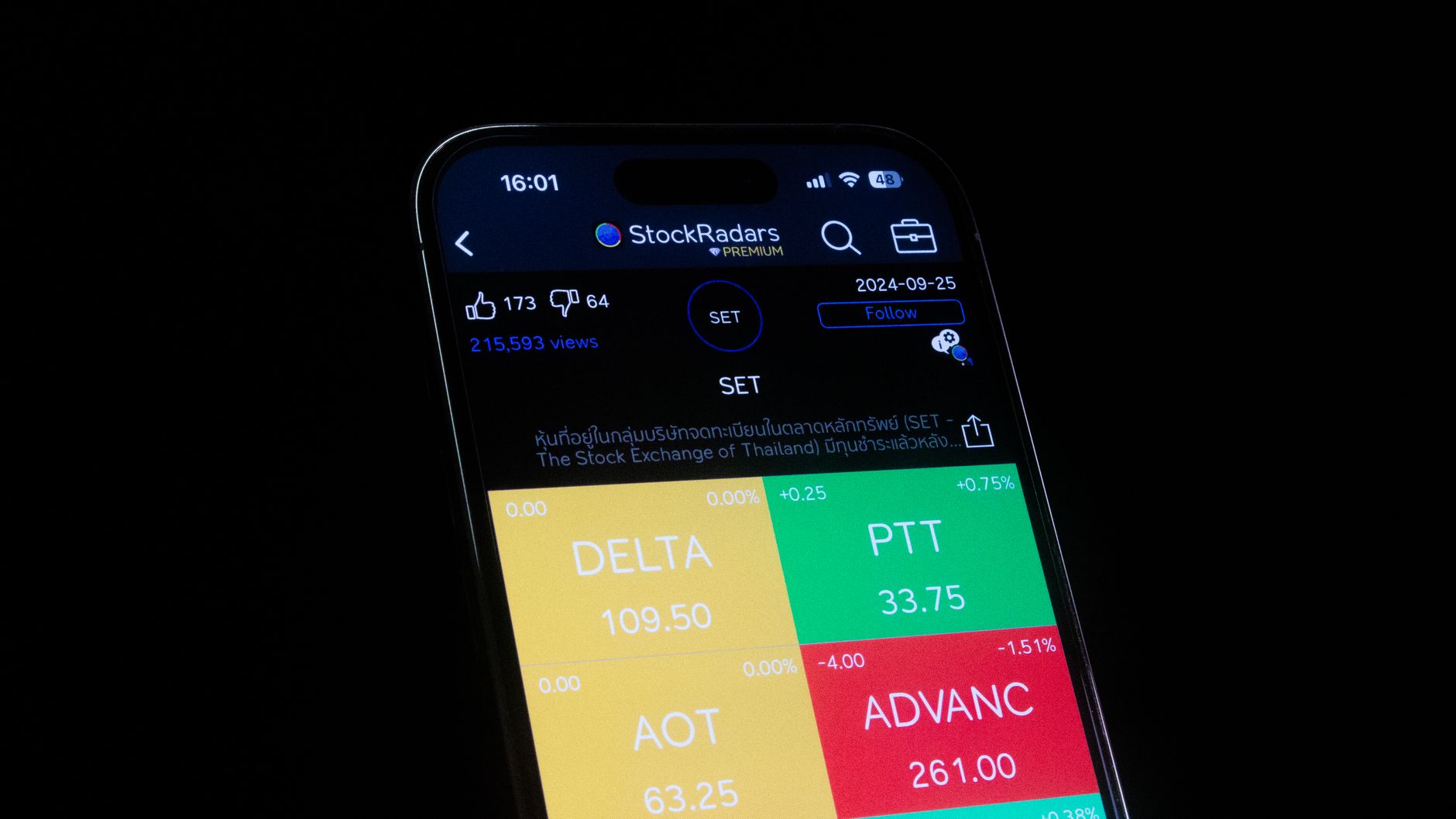
Stock recommendations have become an integral part of the modern investment landscape, with various research platforms and financial institutions offering daily picks to help investors navigate the markets. As investors seek opportunities in an increasingly complex market environment, understanding how these recommendations work and how to use them effectively is crucial for making informed investment decisions.
How Stock Recommendation Services Work
Market research platforms analyse stocks using a combination of technical and fundamental parameters to identify potential investment opportunities. These services typically screen thousands of listed companies based on specific criteria including price momentum, volume trends, earnings growth, and relative strength compared to benchmark indices.
The recommendation process often involves proprietary algorithms that evaluate chart patterns, moving averages, and breakout levels. Fundamental factors such as quarterly earnings, revenue growth, profit margins, and sector performance also play a significant role in stock selection. The goal is to identify stocks that show strong potential for upward movement in the near to medium term.
Key Factors in Stock Analysis
When research platforms generate stock picks, they typically consider several critical parameters. Price action and volume are primary indicators, as stocks trading with above-average volume and showing strong price momentum often signal institutional interest. Technical levels such as 52-week highs, breakouts from consolidation patterns, and support-resistance zones help identify entry and exit points.
Fundamental strength remains equally important. Companies demonstrating consistent earnings growth, improving return on equity, and strong cash flows tend to feature prominently in recommendation lists. Sector rotation and market trends also influence stock selection, as certain sectors perform better during specific economic cycles.
Understanding Different Types of Recommendations
Stock recommendations typically fall into several categories. Buy recommendations suggest stocks suitable for fresh positions, while accumulate or add suggestions indicate opportunities to increase existing holdings. Hold recommendations advise maintaining current positions, whereas reduce or sell calls suggest booking profits or cutting losses.
Each recommendation usually comes with specific price targets and stop-loss levels. Price targets represent the expected price movement based on technical or fundamental analysis, while stop-loss levels help investors limit potential downside risk. Time horizons vary, with recommendations ranging from short-term trading ideas to long-term investment opportunities.
Risk Considerations for Investors
While stock recommendations can provide valuable insights, investors must understand the inherent risks involved. Market conditions can change rapidly due to global events, policy decisions, or unexpected corporate developments. A stock that appears attractive based on historical data may face headwinds due to factors not captured in standard analysis models.
Individual risk tolerance and investment objectives should always take precedence over generic recommendations. What works for one investor may not suit another's financial situation, time horizon, or risk appetite. Portfolio diversification remains essential, and investors should avoid concentrating investments based solely on daily stock picks.
How to Use Stock Recommendations Effectively
Savvy investors use stock recommendations as a starting point for their own research rather than blindly following them. Cross-referencing recommendations with personal analysis, checking company announcements, and understanding sector dynamics can help validate or question suggested picks.
Maintaining discipline around entry and exit points is crucial. Setting realistic profit targets and adhering to stop-loss levels helps protect capital and lock in gains. Regularly reviewing portfolio performance and adjusting positions based on changing market conditions ensures alignment with investment goals.
Investors should also track the accuracy of recommendations over time. Not every stock pick will succeed, and understanding the success rate helps calibrate expectations and refine decision-making processes.
The Role of Market Conditions
Broader market sentiment significantly impacts individual stock performance. During bullish phases, quality stocks tend to perform well, making stock selection easier. However, in volatile or bearish markets, even fundamentally strong stocks may underperform, requiring more cautious position sizing and tighter risk management.
Monitoring indices, sectoral trends, and global cues provides context for individual stock recommendations. A great stock pick in a declining market may still result in losses, highlighting the importance of timing and market awareness.
This article is for general informational purposes only and should not be considered as personalised investment advice. Stock markets involve risk, and past performance does not guarantee future results. Investors should conduct their own research, consider their financial situation, and consult with qualified financial advisors before making investment decisions.