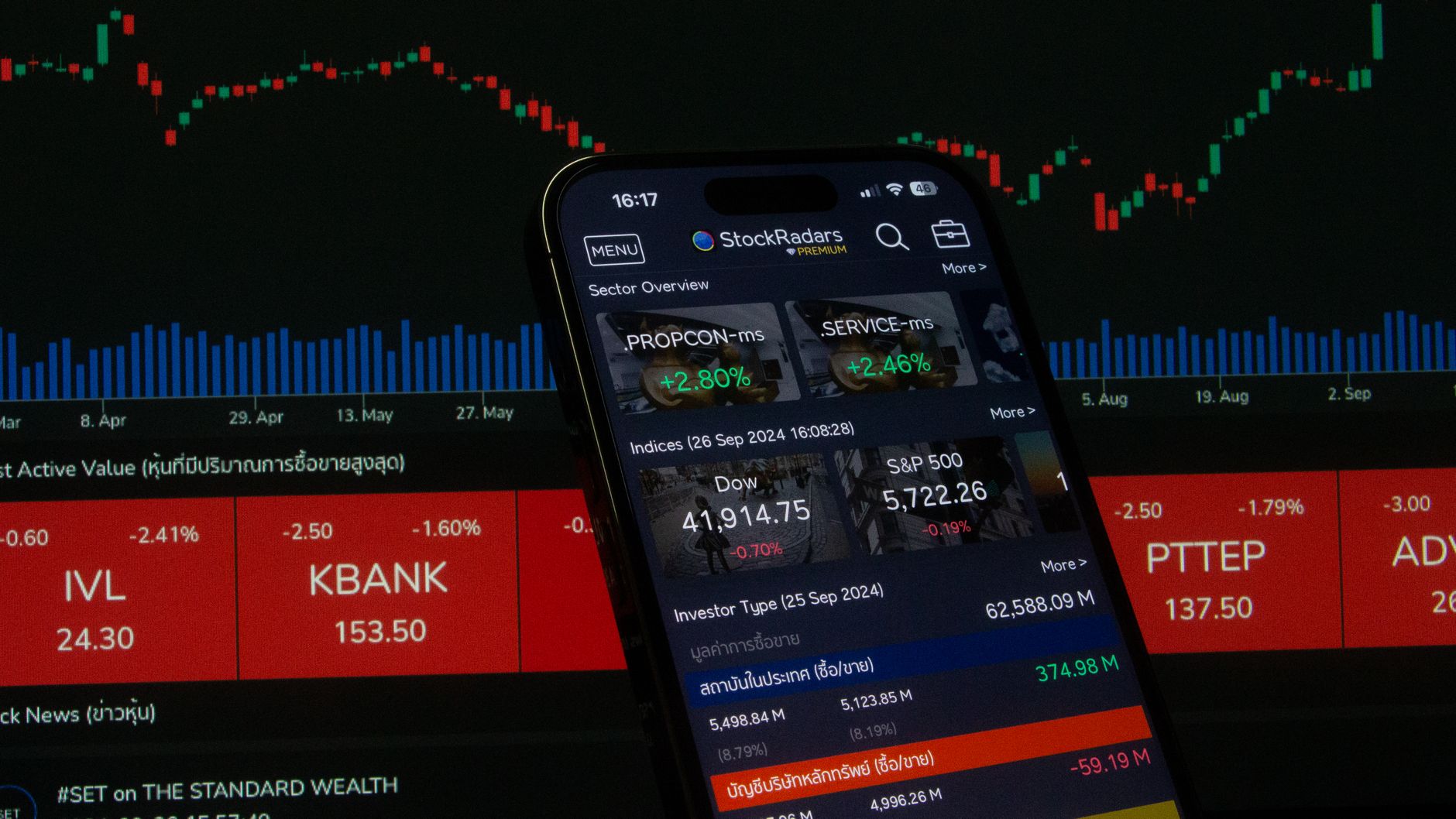
Indian stock markets opened on a weak note as benchmark indices faced selling pressure from domestic and institutional investors. The BSE Sensex and NSE Nifty 50 both traded in negative territory, with the Nifty slipping below the psychologically important 24,650 mark, signaling heightened volatility in the current trading session.
Understanding Today's Market Decline
Market corrections are a natural part of equity investing, and today's downturn reflects multiple factors influencing investor sentiment. When major indices like the Sensex and Nifty fall, it typically indicates broader concerns about economic conditions, corporate earnings, global cues, or changes in monetary policy expectations.
The fall below 24,650 on the Nifty is particularly significant as round numbers often serve as psychological support or resistance levels for traders. When indices breach such levels, it can trigger further selling as stop-loss orders get activated and momentum traders exit positions.
Bajaj Finance Under Pressure
Among individual stocks, Bajaj Finance emerged as one of the day's biggest losers, with shares dropping approximately 5%. As one of India's largest non-banking financial companies (NBFCs), Bajaj Finance holds significant weightage in major indices, meaning its decline contributes substantially to overall market weakness.
Several factors could contribute to weakness in financial stocks:
- Concerns about asset quality and loan growth
- Changes in interest rate expectations
- Regulatory developments affecting the NBFC sector
- Profit-booking after recent rallies
- Quarterly earnings falling short of market expectations
Factors Behind Broader Market Weakness
Stock market declines rarely occur due to a single reason. Today's sell-off likely stems from a combination of domestic and international factors that influence investor behavior.
Global market trends play a crucial role in shaping Indian equity performance. Weakness in major international markets, particularly the US and European bourses, often spills over into Asian trading sessions. Concerns about global growth, geopolitical tensions, or changes in commodity prices can all impact sentiment.
On the domestic front, investors closely monitor economic indicators such as inflation data, GDP growth figures, and industrial production numbers. Any disappointment on these metrics can lead to reassessment of valuations and trigger selling.
Foreign institutional investors (FIIs) hold substantial positions in Indian equities, and their buying or selling activity significantly impacts market direction. Net FII outflows often coincide with market declines, while sustained inflows support rallies.
Sectoral Performance
During broad market declines, different sectors respond differently based on their specific dynamics. Defensive sectors like FMCG and pharmaceuticals sometimes hold up better during corrections, as investors seek safety in companies with stable earnings and predictable cash flows.
Conversely, cyclical sectors such as banking, automobiles, and real estate tend to face sharper corrections during risk-off periods. The financial sector's performance is particularly important given its large weightage in benchmark indices.
What Investors Should Consider
Market volatility creates both risks and opportunities for investors. Those with long-term investment horizons should view temporary corrections as potential entry points rather than reasons for panic. However, this approach requires careful assessment of individual stock fundamentals and overall portfolio allocation.
For active traders, market declines demand strict discipline around stop-losses and position sizing. Volatile sessions can lead to sharp intraday swings, making risk management even more critical.
Investors should also consider:
- Reviewing portfolio diversification across sectors and asset classes
- Avoiding panic-driven decisions based on single-day movements
- Focusing on company fundamentals rather than short-term price action
- Maintaining adequate liquidity to take advantage of opportunities
- Setting realistic expectations about market returns
Looking Ahead
While single-day market movements attract attention, long-term investors should maintain perspective. Markets move in cycles, and corrections are healthy mechanisms that prevent excessive valuations and create opportunities for value accumulation.
Monitoring key support levels, corporate earnings reports, and macroeconomic data releases will provide better insight into whether current weakness represents a short-term correction or the beginning of a more prolonged downturn.
This article is for general informational purposes only and should not be considered as investment advice. Investors should conduct their own research or consult with a qualified financial advisor before making investment decisions. Past performance is not indicative of future results, and stock market investments carry inherent risks including potential loss of principal.