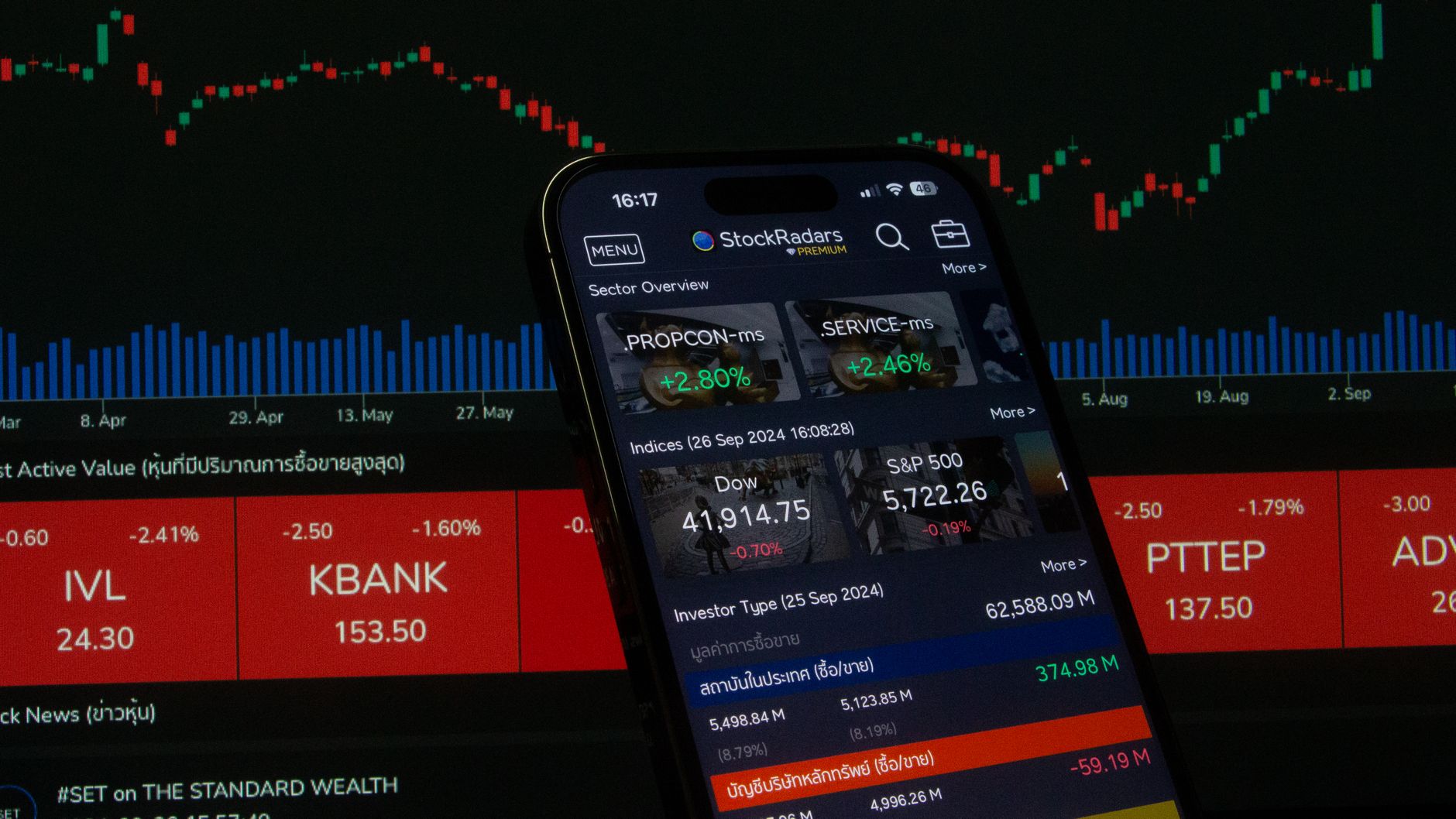
The National Stock Exchange of India (NSE), which handles the lion's share of equity trading in the country, is reportedly gearing up for a September initial public offering (IPO). This development marks a significant milestone in India's financial markets, as the exchange that facilitates trading for millions of investors nationwide prepares to become a publicly traded company itself.
Understanding the NSE's Market Position
The NSE is India's premier stock exchange and one of the world's largest by trading volume. Established in 1992, it revolutionized Indian capital markets by introducing electronic trading and has since grown to dominate equity trading in the country. The exchange operates major indices including the benchmark Nifty 50 and Nifty Bank, which serve as barometers for the Indian economy.
The NSE currently handles approximately 90 percent of India's equity trading volume, making it significantly larger than its older counterpart, the Bombay Stock Exchange (BSE). Its technology infrastructure, market surveillance systems, and diverse product offerings have made it the preferred venue for retail and institutional investors alike.
Why the IPO Matters
The NSE's public listing would be a landmark event for several reasons. First, it represents a rare opportunity for retail investors to own shares in the infrastructure that powers India's capital markets. Stock exchanges generate revenue from transaction fees, listing fees, data services, and technology solutions, creating multiple revenue streams that can be attractive to investors.
Second, the IPO would bring greater transparency and corporate governance to an institution that plays a critical role in the Indian economy. As a publicly traded company, the NSE would face additional scrutiny from shareholders, regulators, and market participants.
The Journey to Going Public
The NSE's path to an IPO has been lengthy and complex. The exchange first filed draft papers for its IPO in 2016 but had to withdraw due to regulatory concerns and pending investigations. Issues related to co-location facilities, where certain brokers allegedly received preferential access to trading systems, delayed the process significantly.
Since then, the exchange has worked to resolve regulatory hurdles, strengthen its governance framework, and address concerns raised by the Securities and Exchange Board of India (SEBI). The reported September timeline suggests that most major obstacles have been cleared.
What Investors Should Consider
If the NSE IPO proceeds as planned, potential investors will need to evaluate several factors:
- The valuation and price band set for the offering
- The exchange's financial performance, including revenue growth and profit margins
- Competition from other exchanges and alternative trading platforms
- Regulatory risks and ongoing compliance requirements
- The portion of shares being offered and the resulting public float
- Lock-in periods for existing shareholders
The exchange's financial health appears robust, with consistent profitability driven by strong trading volumes in India's growing equity markets. However, revenue can be cyclical, dependent on market volatility and trading activity.
Implications for the Broader Market
A successful NSE IPO could have wider implications for India's financial sector. It may pave the way for other market infrastructure institutions to consider public listings. Additionally, the IPO could attract significant domestic and international investor interest, potentially setting new benchmarks for financial sector valuations in India.
The timing of a September listing would place it in the second half of the year, typically a period when IPO activity picks up after the monsoon season. Market conditions, including overall sentiment in equity markets and liquidity, will play crucial roles in determining the success of the offering.
Corporate Governance and Future Growth
As a public company, the NSE would be expected to maintain high standards of corporate governance while continuing to innovate and expand its product offerings. The exchange has been investing in technology, developing new derivative products, and expanding into areas such as commodity trading and financial education.
The capital raised through the IPO could potentially be used for further technology upgrades, expansion into new business segments, or strategic acquisitions, though the specific use of proceeds would be detailed in the IPO prospectus.
This article is for informational purposes only and should not be considered investment advice. Potential investors should conduct their own research, review the IPO prospectus when available, and consult with qualified financial advisors before making investment decisions. Past performance of markets or companies is not indicative of future results.