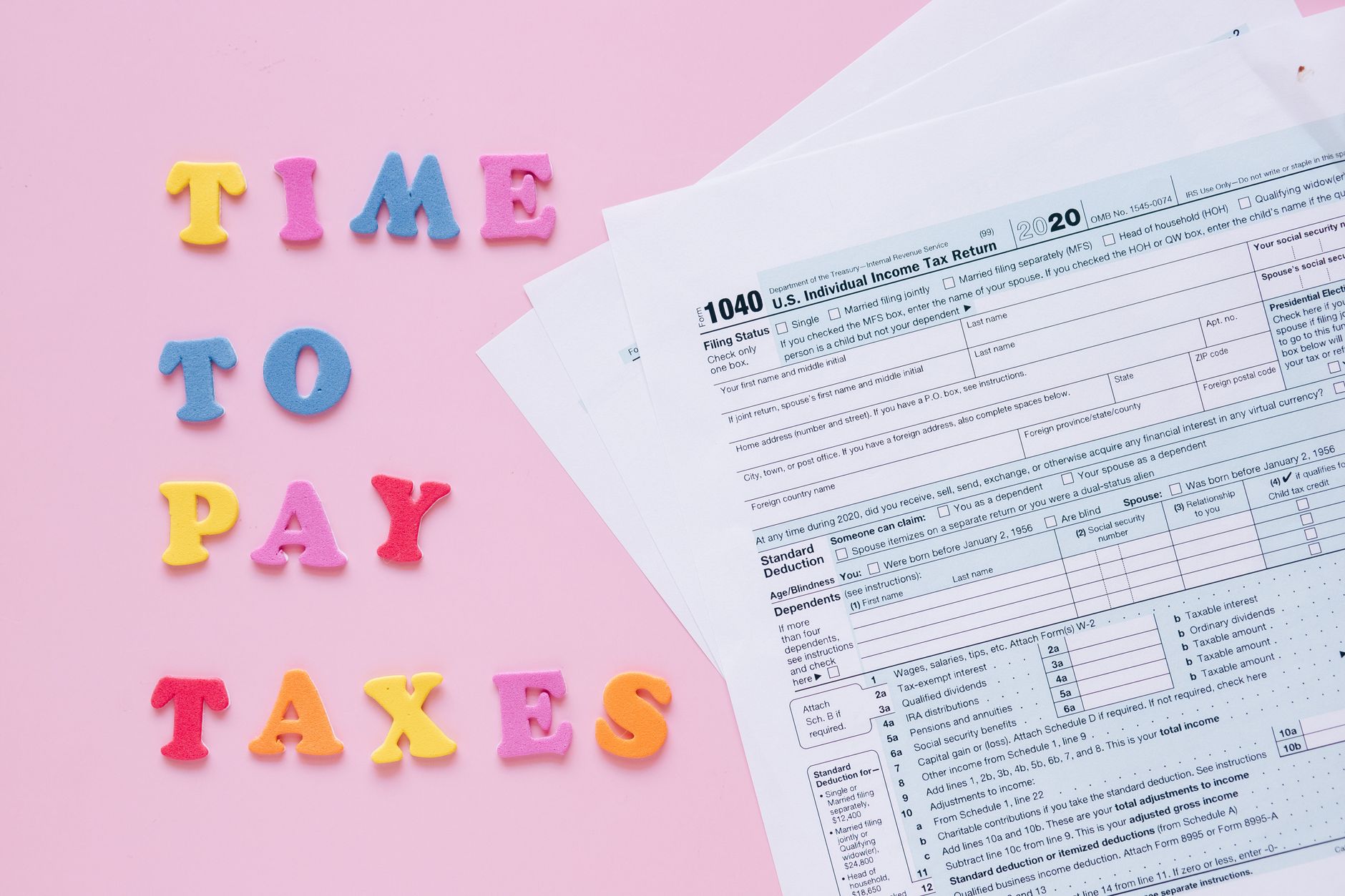
The income tax return filing deadline is fast approaching, and millions of taxpayers across India are preparing to fulfil their tax obligations. Filing your income tax return (ITR) online has become the standard method, offering convenience and speed compared to traditional paper-based filing. Understanding the process can help you avoid last-minute stress and ensure compliance with tax regulations.
Why Filing ITR Matters
Filing your income tax return is not just a legal requirement for those whose income exceeds the basic exemption limit. It serves as proof of income for loan applications, visa processing, and various financial transactions. Even if you don't have taxable income but have conducted high-value transactions, filing an ITR can help maintain a clean financial record and avoid scrutiny from tax authorities.
Pre-Filing Preparations
Before you begin the filing process, gather all necessary documents including Form 16 from your employer, bank statements, interest certificates, investment proofs, and details of any other income sources. Having these documents ready will make the filing process much smoother. You'll also need your PAN card, Aadhaar card, and bank account details for refund purposes if applicable.
Step-by-Step Filing Process
The e-filing portal maintained by the Income Tax Department provides a user-friendly interface for taxpayers. Here's how to navigate the process:
Start by visiting the official income tax e-filing portal and logging in using your PAN as the user ID. If you're a first-time user, you'll need to register by providing basic details and creating a password.
Once logged in, navigate to the 'e-File' menu and select 'Income Tax Return'. Choose the relevant assessment year for which you're filing the return. The assessment year is always one year ahead of the financial year in which you earned the income.
Select the appropriate ITR form based on your income sources. Salaried individuals with income from salary, one house property, and other sources typically use ITR-1 or ITR-2. Business owners and professionals need to use ITR-3 or ITR-4.
Choose your filing mode – online or offline. The online mode allows you to fill the form directly on the portal, while the offline mode requires downloading a utility, filling it, and uploading the generated XML file.
Filling in Your Details
Begin entering your personal information, which is often pre-filled based on your previous returns and PAN database. Verify all details carefully, including your name, date of birth, address, and contact information.
The next crucial step involves entering your income details from all sources. This includes salary income, house property income, capital gains, and income from other sources like interest or dividends. The portal may have certain fields pre-filled based on information received from employers and financial institutions through Form 26AS and Annual Information Statement (AIS).
Enter all eligible deductions under Chapter VI-A, including Section 80C investments (PPF, life insurance, ELSS), Section 80D for health insurance, and other applicable deductions. These deductions help reduce your taxable income and potential tax liability.
After entering all income and deductions, calculate your total tax liability. The system will compute your tax automatically based on the applicable tax regime – old or new. You can choose the regime that results in lower tax liability, though certain restrictions apply.
Tax Payment and Verification
If you have any remaining tax liability after considering TDS and advance tax payments, you'll need to pay the balance before filing. The portal provides options to pay online through net banking, debit card, or other payment modes.
Review all entered information thoroughly before submission. Once satisfied, submit the return. You'll receive an acknowledgment with an ITR-V (verification receipt).
The final and crucial step is verification. You can verify your return electronically using Aadhaar OTP, net banking, or by sending a signed physical copy of ITR-V to the Centralized Processing Centre in Bangalore within 120 days. Without verification, your return filing remains incomplete.
Common Mistakes to Avoid
Taxpayers should avoid rushing through the process, as errors can lead to processing delays or notices from the department. Ensure all income sources are disclosed, claim only legitimate deductions with proper documentation, and double-check bank account details for refunds.
This article provides general information about the ITR filing process and should not be considered as professional tax advice. Tax situations vary by individual circumstances, and readers are advised to consult qualified chartered accountants or tax professionals for specific guidance related to their tax matters.