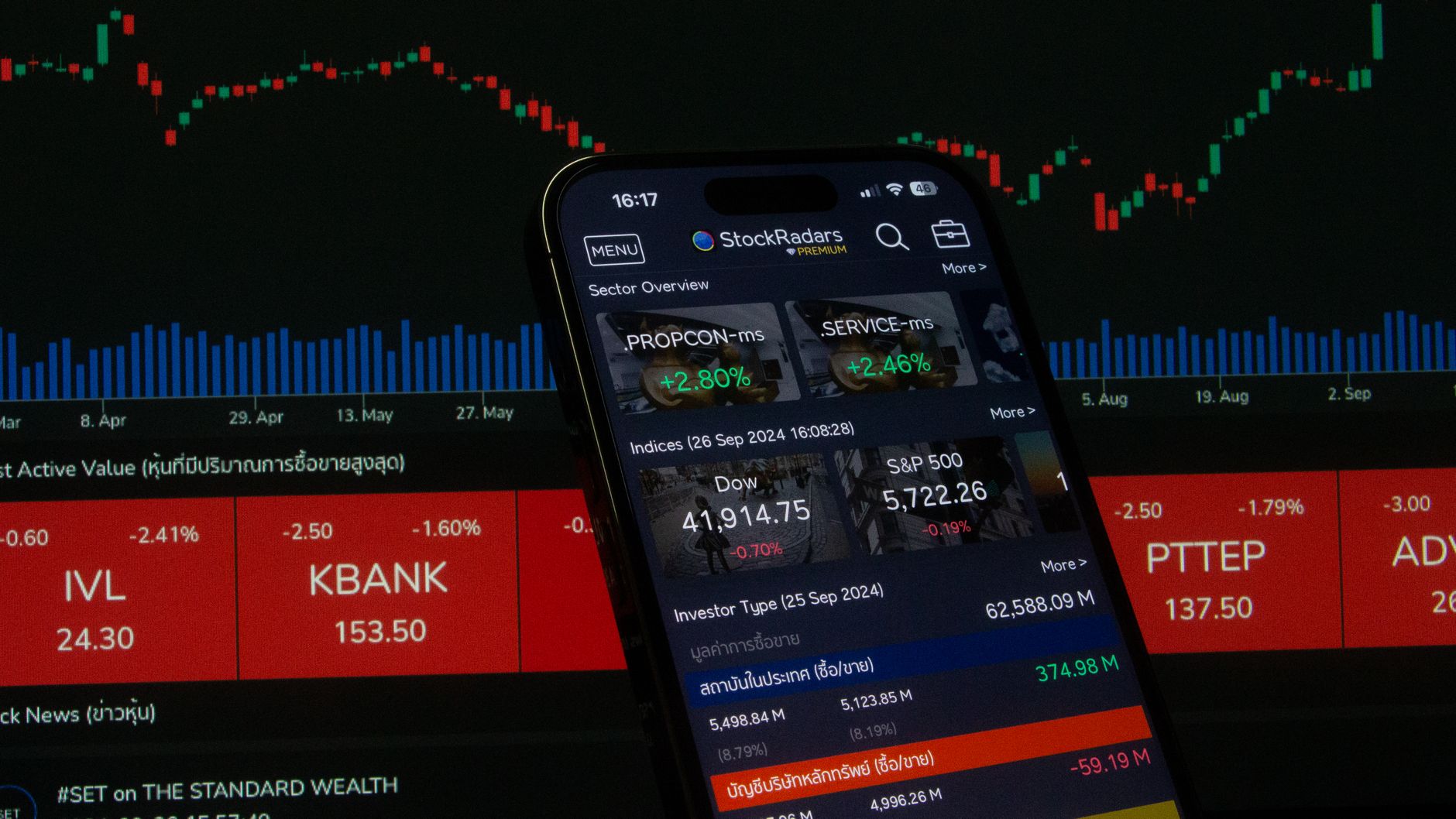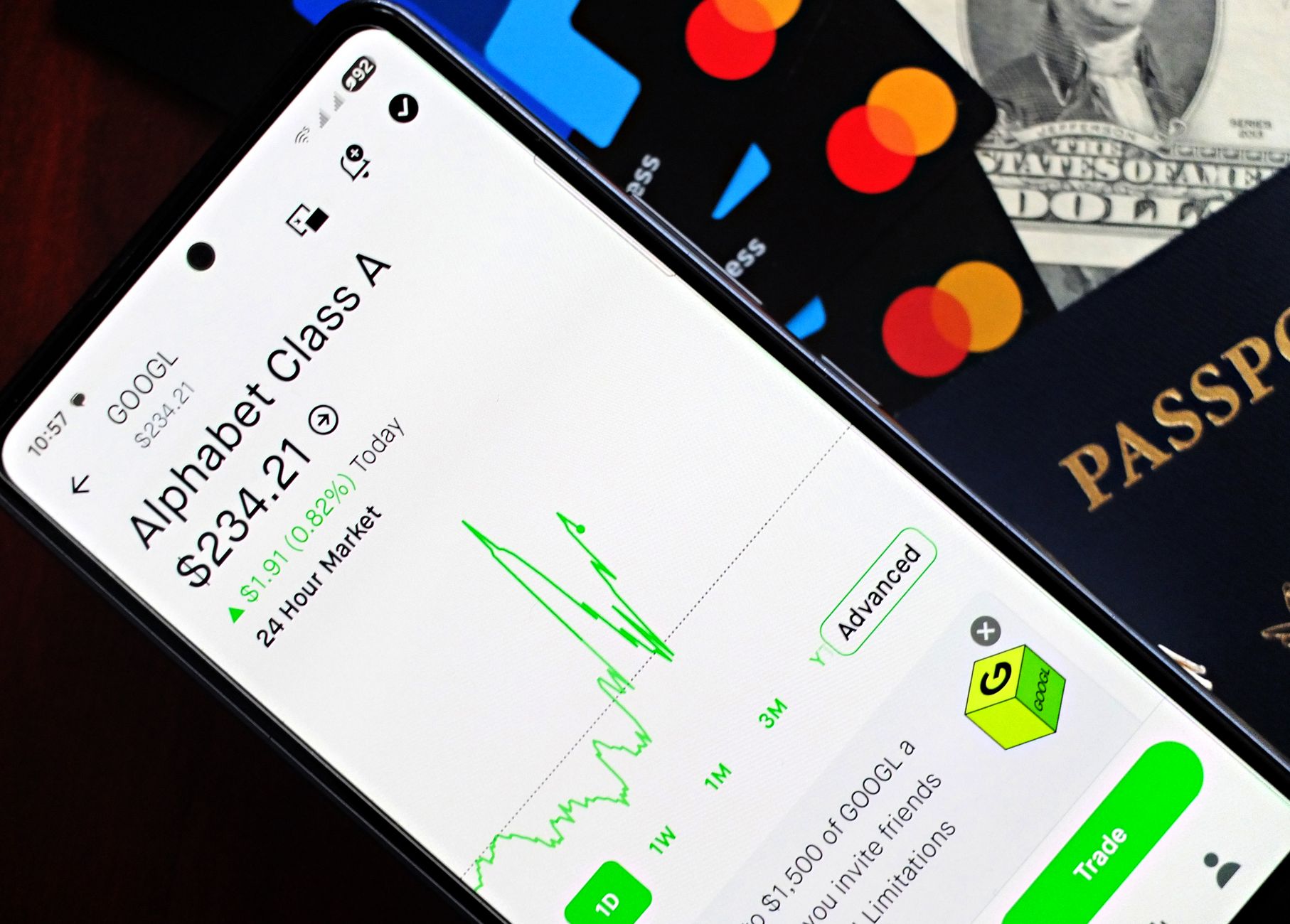
The digital age has democratized access to financial information, but experts are increasingly concerned that Indian retail investors are suffering from information overload. The constant barrage of stock tips, market news, and investment advice across television channels, social media platforms, and messaging apps is creating more harm than good for individual portfolios.
The Information Explosion Problem
Indian investors today are bombarded with market commentary from countless sources. Business news channels run stock recommendations throughout trading hours, WhatsApp groups buzz with hot tips, and social media influencers share their latest picks. While access to information should theoretically lead to better decisions, the reality is proving quite different.
The problem lies not in the availability of information but in its overwhelming volume and often contradictory nature. One expert might recommend buying a particular stock while another suggests selling the same security. This creates confusion and anxiety, pushing investors toward impulsive actions rather than thoughtful strategy.
How Excessive News Consumption Hurts Returns
Research in behavioral finance has consistently shown that overactive trading typically leads to lower returns. When investors constantly consume market news and tips, they tend to:
- Trade more frequently, incurring higher transaction costs and taxes
- React emotionally to short-term market movements
- Chase performance by buying recent winners at peak valuations
- Sell quality holdings prematurely based on temporary setbacks
- Develop unrealistic expectations about returns
The constant stream of tips creates a false sense that successful investing requires daily action. In reality, some of history's most successful investors advocate for patience and minimal portfolio turnover.
The FOMO Factor
Fear of missing out has become a powerful driver of poor investment decisions. When investors see others discussing multibagger stocks or quick gains, they feel pressured to participate immediately without proper research or consideration of their own financial goals and risk tolerance.
Social media has amplified this phenomenon. Platforms like Twitter and Instagram showcase success stories while failures remain hidden, creating a distorted perception of how easy it is to generate exceptional returns. This survivorship bias convinces many that constant trading and tip-following is the path to wealth.
Quality Over Quantity in Investment Research
Experts emphasize that effective investing requires focused, quality research rather than consuming every available piece of market commentary. A disciplined investor might spend time understanding a company's business model, competitive advantages, financial health, and management quality rather than tracking daily price movements or collecting numerous stock tips.
The fundamentals that matter for long-term wealth creation—company earnings growth, valuation discipline, portfolio diversification, and asset allocation—rarely change based on daily news. Yet the noise of constant updates distracts investors from these core principles.
Building a Sustainable Investment Approach
Financial advisors recommend that retail investors take several steps to protect themselves from information overload:
- Define clear investment goals and time horizons before making any investment
- Create a systematic investment plan, such as regular SIP contributions
- Limit exposure to market news and commentary to specific intervals
- Focus on a few trusted, credible sources rather than multiple conflicting voices
- Maintain an investment journal to track decisions and learn from outcomes
- Review portfolio performance quarterly or annually, not daily
Many successful investors deliberately avoid checking stock prices frequently. Warren Buffett has often noted that his favorite holding period is "forever," emphasizing that constant monitoring adds no value to long-term wealth creation.
The Role of Financial Literacy
The solution isn't to avoid information entirely but to develop the financial literacy needed to filter signal from noise. Investors need to understand basic concepts like valuation metrics, business quality assessment, and portfolio construction. This foundation helps them recognize which information matters and which represents mere noise.
Educational initiatives focusing on fundamental analysis, behavioral finance, and long-term investing principles can help Indian retail investors navigate the information-rich environment without falling prey to its pitfalls.
The key insight is simple: successful investing has always been about patience, discipline, and focus on fundamentals. No amount of daily tips or constant news consumption can substitute for a well-thought-out investment plan aligned with individual financial goals and risk capacity.
This article is for general informational purposes only and should not be considered financial advice. Readers should conduct their own research and consult with qualified financial advisors before making investment decisions.