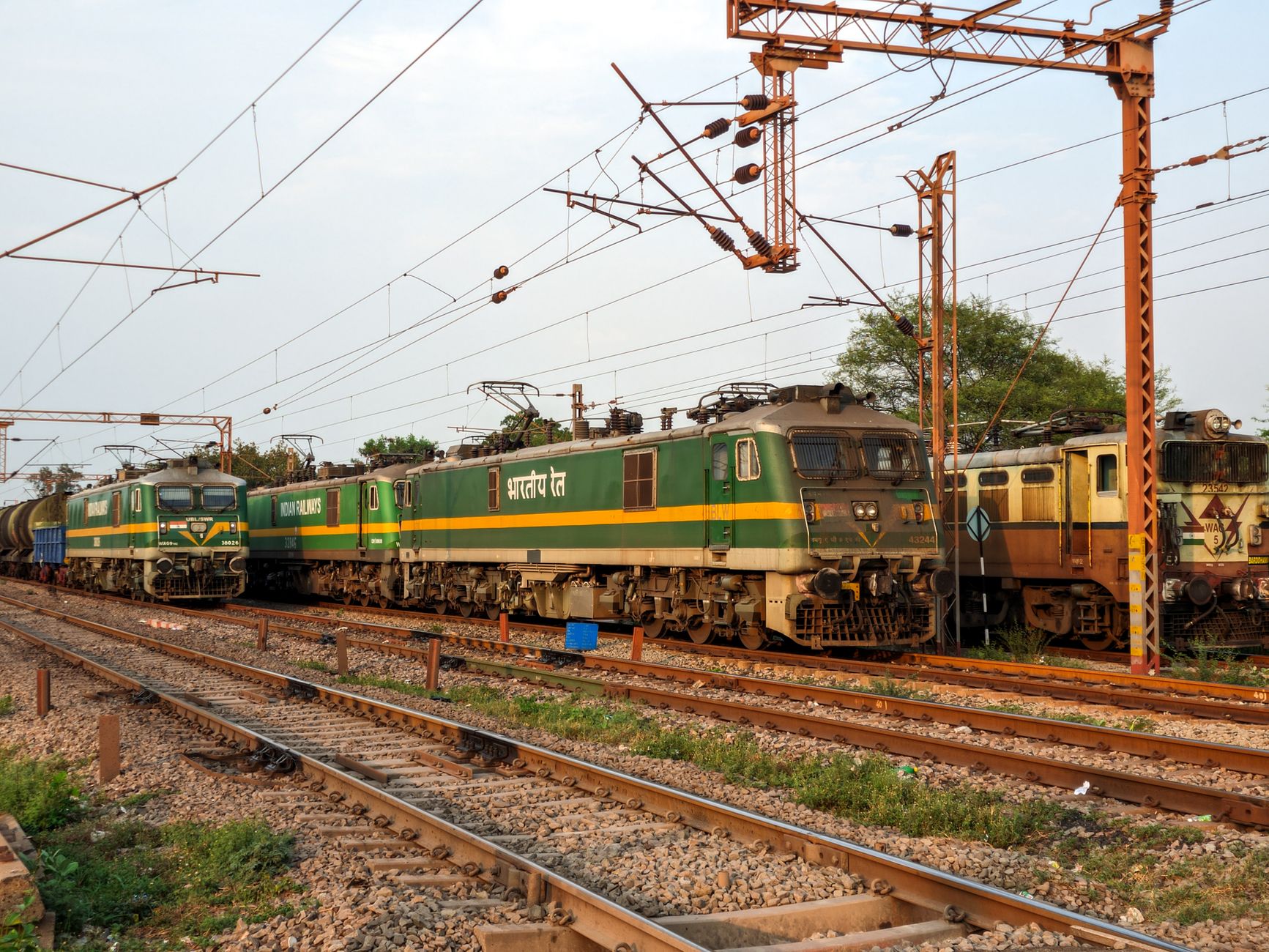
India has entered a new era of sustainable transportation with the launch of its first hydrogen-powered train, a development that has captured the attention of environmentalists, technology enthusiasts, and commuters alike. The indigenous technology represents a significant step toward reducing carbon emissions in one of the world's largest and most heavily used railway networks.
Understanding Hydrogen-Powered Trains
Hydrogen trains operate using fuel cells that convert hydrogen and oxygen into electricity, producing only water vapor and heat as byproducts. Unlike traditional diesel locomotives that emit harmful pollutants, or even electric trains that rely on grid power often generated from fossil fuels, hydrogen trains offer a truly clean energy solution.
The technology works by storing compressed hydrogen in tanks mounted on the train. This hydrogen is then fed into fuel cells where it reacts with oxygen from the air to generate electricity. This electricity powers the train's motors, while excess energy is stored in batteries for later use during acceleration or climbing gradients.
Key Advantages of Hydrogen Rail Technology
The pilot programs and initial testing phases have revealed several compelling benefits that explain the enthusiastic reception from operators and passengers:
- Zero direct emissions during operation, contributing to cleaner air quality in urban and rural areas
- Quieter operation compared to diesel engines, reducing noise pollution along railway corridors
- Quick refueling times, comparable to diesel trains and significantly faster than battery-electric alternatives
- Long range capability, making them suitable for routes where electrification is not economically viable
- Reduced infrastructure costs compared to traditional electrification, which requires extensive overhead cables or third rails
The "excellent pickup" mentioned by pilots refers to the immediate torque delivery characteristic of electric motors, providing smooth and rapid acceleration without the lag associated with diesel engines.
India's Indigenous Development
The development of this technology within India demonstrates the country's growing capabilities in advanced engineering and clean energy solutions. By developing the technology domestically, India reduces dependence on foreign suppliers, creates local employment opportunities, and positions itself as a potential exporter of green rail technology to other developing nations.
This achievement aligns with India's broader commitments to reducing carbon emissions and transitioning toward renewable energy sources across multiple sectors. The railway sector, which transports millions of passengers and vast quantities of freight daily, represents a significant opportunity for emissions reduction.
Challenges and Implementation Roadmap
Despite the promising start, several challenges remain before hydrogen trains can be deployed at scale across India's vast railway network:
- Establishing a hydrogen production and distribution infrastructure requires substantial investment
- Green hydrogen production using renewable energy sources needs to be scaled up to ensure the technology truly delivers on its environmental promise
- Training programs for maintenance crews and operators must be developed and implemented nationwide
- Cost competitiveness with existing diesel and electric options needs to be achieved through economies of scale
The initial deployment will likely focus on specific routes where the technology offers the greatest advantages, such as non-electrified lines in hilly terrain or areas with high pollution concerns.
Global Context and Future Prospects
India joins a select group of countries experimenting with hydrogen rail technology, including Germany, which launched the world's first hydrogen passenger trains in 2018, and several other European nations currently testing similar systems. China and Japan are also investing heavily in hydrogen rail infrastructure.
The success of India's hydrogen train could accelerate adoption across developing countries facing similar challenges of aging diesel fleets, air quality concerns, and the high costs of railway electrification. The technology is particularly attractive for routes with lower passenger density where the infrastructure investment for traditional electrification cannot be justified.
Impact on Passengers and Communities
For daily commuters and long-distance travelers, hydrogen trains promise a cleaner, quieter, and potentially more comfortable travel experience. Communities along railway corridors stand to benefit from reduced air and noise pollution, particularly in densely populated urban areas where diesel locomotive emissions contribute significantly to poor air quality.
The technology also opens possibilities for expanding railway services to currently underserved areas where electrification has been economically unfeasible, potentially improving connectivity and economic opportunities in remote regions.
As India continues testing and refining this technology, the coming years will reveal whether hydrogen-powered trains can fulfill their promise of transforming the country's transportation landscape while meeting ambitious climate goals.