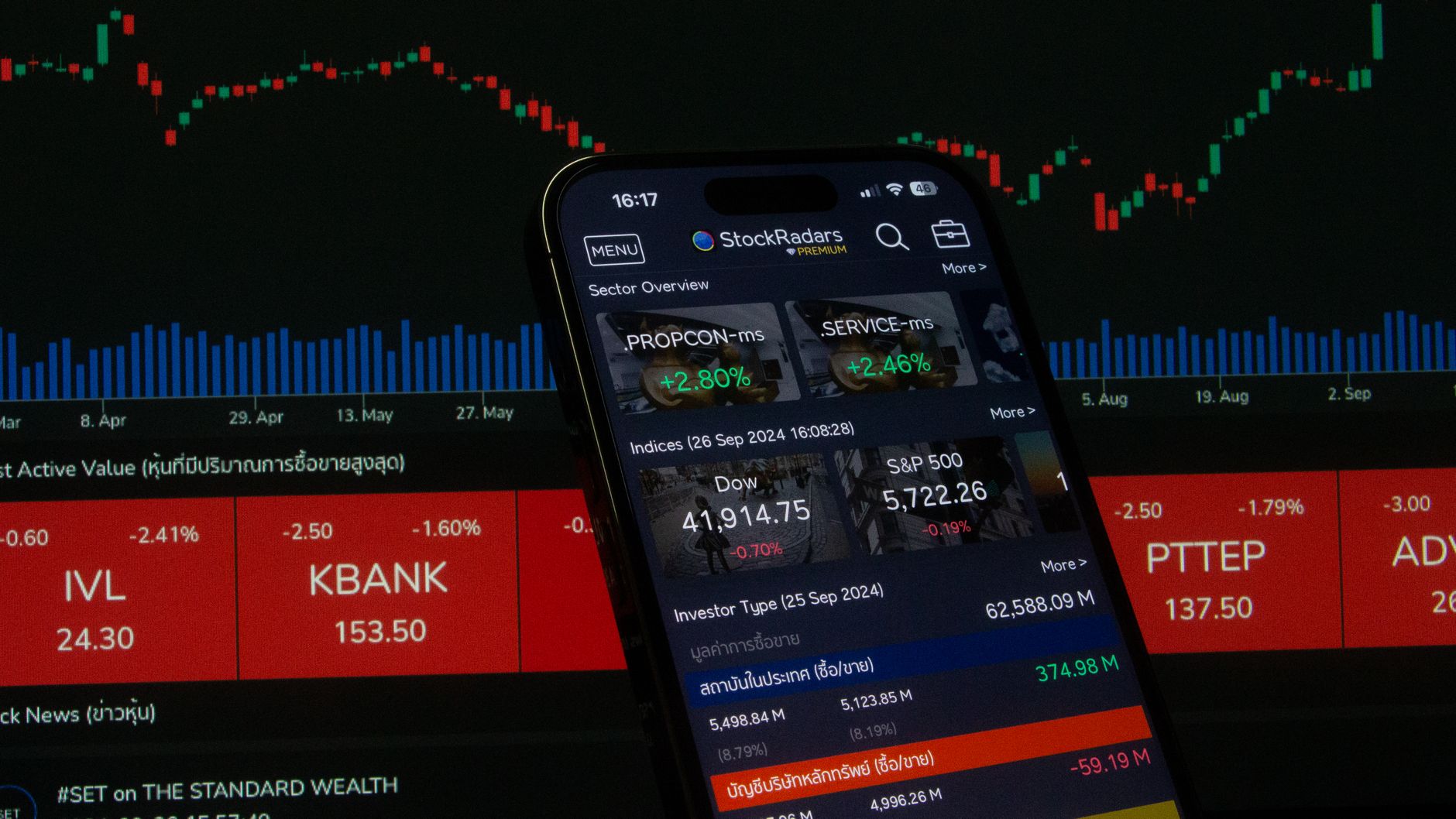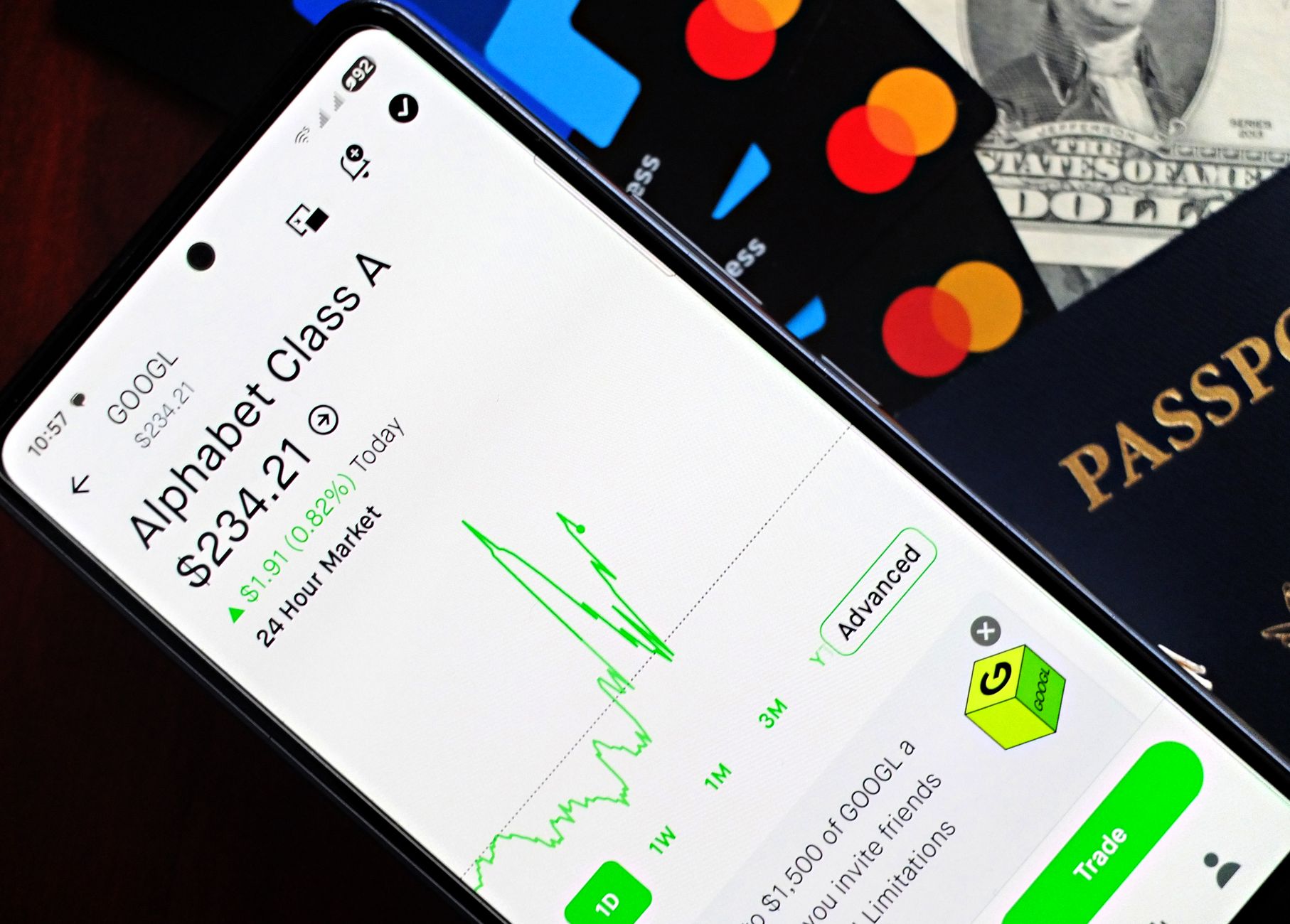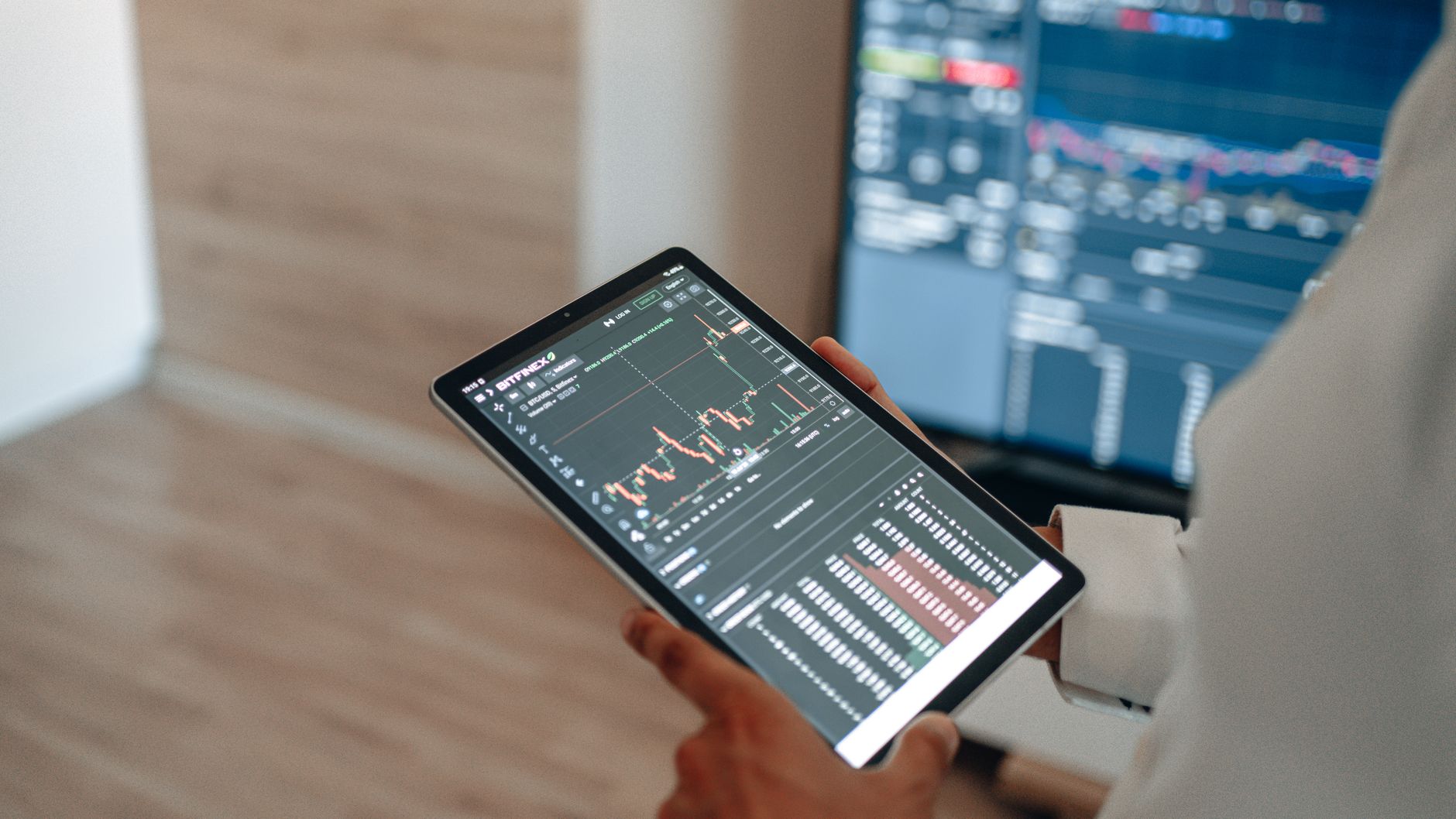
Stock screening tools and recommendation services have become increasingly popular among Indian investors seeking to identify potential investment opportunities in an ever-expanding market. These platforms analyze thousands of stocks using various parameters to highlight companies that meet specific criteria, saving investors countless hours of manual research.
Understanding Stock Screening Platforms
Stock screening tools work by filtering the universe of available stocks based on predetermined criteria such as price-to-earnings ratios, revenue growth, market capitalization, technical indicators, and various fundamental metrics. Advanced platforms incorporate proprietary algorithms that combine multiple factors to generate daily or weekly recommendations for traders and investors.
These services typically cater to different investment styles, from short-term traders looking for momentum plays to long-term investors seeking fundamentally strong companies. The screening process eliminates stocks that don't meet minimum quality standards and highlights those showing promising patterns or valuations.
Key Features of Effective Stock Screeners
Modern screening platforms offer several valuable features for Indian market participants. Real-time data integration ensures recommendations reflect current market conditions, while customizable filters allow users to tailor searches to their specific investment philosophy. Many platforms also provide historical performance tracking, showing how previous recommendations have performed.
Technical analysis tools integrated within these platforms help identify entry and exit points based on chart patterns, moving averages, and momentum indicators. Fundamental analysis features include financial statement analysis, peer comparisons, and valuation metrics specific to Indian accounting standards.
How to Evaluate Stock Recommendations
When reviewing stock recommendations from any platform, investors should consider several factors:
- The methodology behind the recommendation and whether it aligns with your investment goals
- The track record of previous recommendations from the same source
- Current market conditions and sector-specific trends affecting the stock
- Your own risk tolerance and investment timeline
- Position sizing appropriate to your overall portfolio
No screening tool is infallible, and recommendations should serve as starting points for further research rather than absolute buy or sell signals. Market conditions change rapidly, and a stock that appears attractive based on yesterday's data may face new challenges today.
Conducting Your Own Due Diligence
Even when using sophisticated screening tools, investors must perform independent research before committing capital. This includes reviewing the company's recent quarterly results, understanding its business model and competitive advantages, analyzing management quality and corporate governance practices, and assessing industry tailwinds or headwinds.
Reading annual reports, listening to earnings calls, and monitoring news flow specific to the company and its sector provide context that algorithms cannot fully capture. Understanding the reason behind a stock's inclusion in a recommendation list helps you make informed decisions about whether it suits your portfolio.
Balancing Technical and Fundamental Signals
The most effective approach combines technical screening for timing with fundamental analysis for stock selection. Technical indicators can help identify when a fundamentally strong company reaches an attractive entry point, or when a previously recommended stock has reached a logical exit point.
However, relying exclusively on either technical or fundamental factors creates blind spots. A technically strong chart cannot save a company with deteriorating fundamentals, while excellent fundamentals may take years to reflect in price if technical momentum remains negative.
Building a Sustainable Investment Process
Rather than chasing every daily recommendation, successful investors develop a systematic process that incorporates screening tools as one component. This might include reviewing recommendations weekly, maintaining a watchlist of interesting stocks for further research, setting clear criteria for portfolio entry and exit, and regularly reviewing holdings regardless of where they originated.
Position sizing and portfolio diversification remain crucial regardless of recommendation quality. Even the best screening tools will produce some unsuccessful picks, making risk management through proper allocation essential for long-term success.
The Role of Professional Guidance
While screening platforms democratize access to analytical tools previously available only to institutional investors, they don't replace the value of professional financial advice for complex situations. Individual circumstances, tax considerations, and comprehensive financial planning require personalized guidance that algorithmic recommendations cannot provide.
This article is for informational purposes only and should not be considered investment advice. Stock recommendations from any source carry inherent risks, and past performance does not guarantee future results. Investors should conduct thorough research and consider consulting with a qualified financial advisor before making investment decisions. All investments in securities markets are subject to market risks.