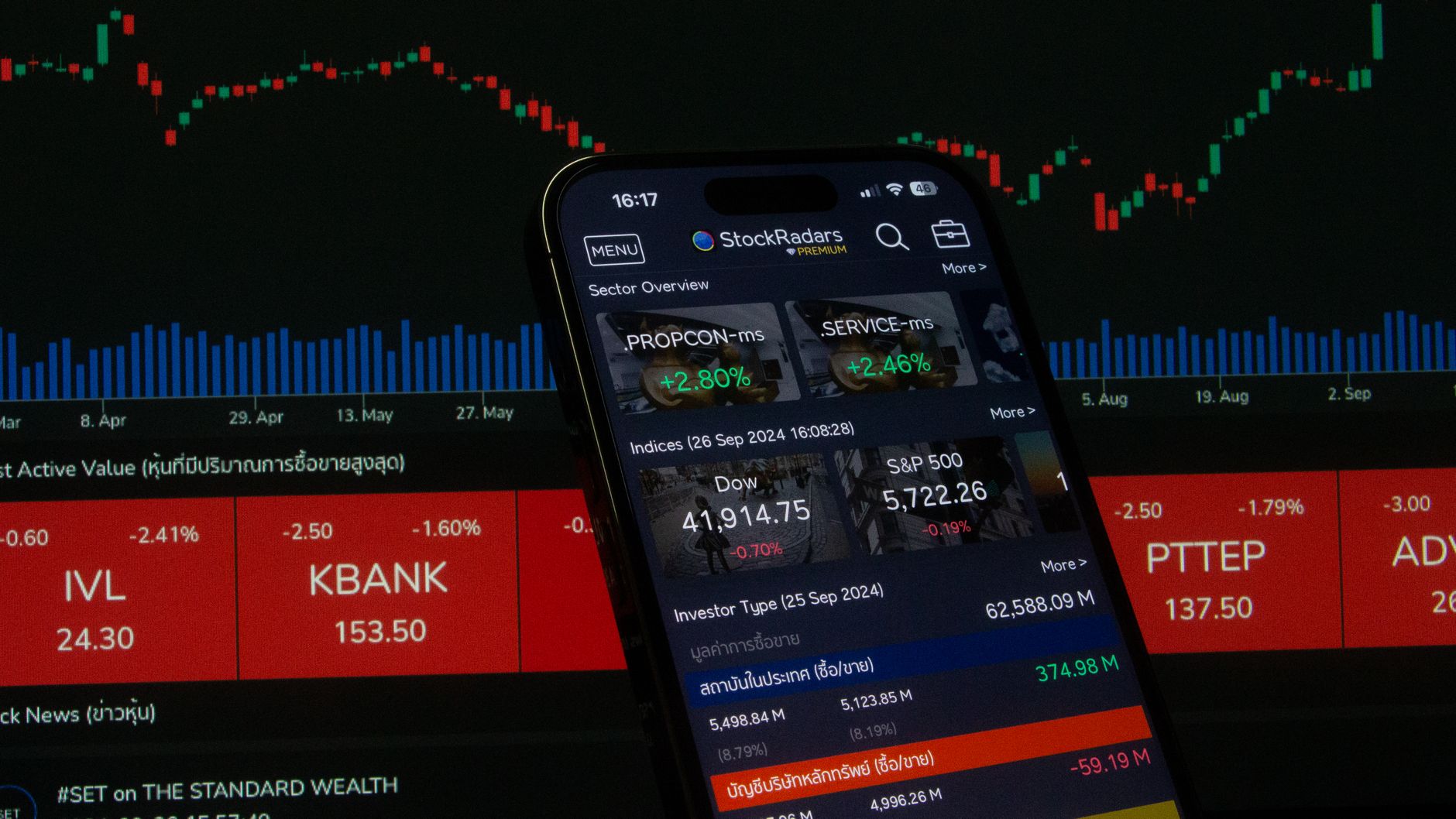
The Indian investor landscape has evolved dramatically over the past decade, with increasing numbers looking beyond domestic markets to diversify their portfolios. Investing in US stocks has emerged as a popular avenue, offering access to some of the world's largest companies and technology innovators that aren't available on Indian exchanges.
Why Indian Investors Choose US Markets
The United States hosts the world's largest and most liquid stock markets, home to global giants like Apple, Microsoft, Amazon, Google, and Tesla. For Indian investors, this presents several compelling advantages.
Diversification stands as the primary benefit. By investing across geographies, you reduce concentration risk tied to the Indian economy alone. When Indian markets face headwinds, US stocks may perform differently, providing a natural hedge.
Currency diversification adds another layer of protection. Investments in US stocks are denominated in US dollars, which can appreciate against the rupee over time. Historically, the rupee has depreciated against the dollar, meaning even modest stock gains can translate to higher returns when converted back to rupees.
Access to innovation is particularly attractive. Many cutting-edge technology companies, pharmaceutical innovators, and emerging sectors are better represented in US markets. Indian exchanges may not offer equivalent exposure to artificial intelligence, biotechnology, or certain consumer brands that dominate globally.
Understanding the Liberalised Remittance Scheme
The Reserve Bank of India permits Indian residents to invest in foreign securities through the Liberalised Remittance Scheme (LRS). Under current regulations, individuals can remit up to USD 250,000 per financial year for various purposes, including stock investments.
This framework provides the legal foundation for investing abroad. All transactions under LRS must be routed through authorized dealer banks, and proper documentation is essential for compliance.
Methods to Invest in US Stocks
Several pathways exist for Indian investors to access US markets, each with distinct characteristics.
### Direct Investment Through Indian Brokers
Many Indian brokerage firms now offer international trading platforms. These platforms allow you to open a foreign trading account linked to your existing demat account. The process is relatively straightforward, requiring standard KYC documentation plus PAN and bank account details.
The broker handles currency conversion and facilitates seamless fund transfers. This method suits investors comfortable with selecting individual stocks and managing their portfolios actively.
### Foreign Brokerage Accounts
Alternatively, you can open accounts directly with US-based brokers that accept Indian residents. Several international platforms have streamlined their onboarding processes for non-US investors.
This approach may offer lower transaction costs and access to a broader range of investment products, though it requires more independent research and comfort with foreign platforms.
### Mutual Funds and ETFs
For those preferring professional management, Indian mutual funds offer US equity schemes or international funds. These funds invest in US stocks or index funds, providing instant diversification.
Exchange-traded funds focused on US markets are also available on Indian exchanges, offering a simpler entry point without directly navigating foreign exchange complexities.
Key Considerations Before Investing
- Tax implications require careful attention, as gains from foreign stocks face different tax treatment than domestic investments
- Currency fluctuations can work both ways, potentially amplifying gains or losses
- Time zone differences mean US markets operate during Indian nighttime hours
- Research requirements increase when evaluating foreign companies unfamiliar in India
- Transaction costs and account maintenance fees vary significantly across platforms
Compliance and Documentation
Proper documentation is mandatory. You'll need to submit Form 15CA and 15CB for tax purposes when remitting funds abroad. Maintaining detailed records of all transactions helps during tax filing season.
The Tax Collected at Source (TCS) applies to remittances under LRS, currently standing at specified rates depending on the purpose and amount. This collected tax can be claimed as credit during income tax return filing.
Starting Your Investment Journey
Begin by determining your investment goals and risk tolerance. US markets offer tremendous opportunities but come with volatility and regulatory differences.
Research thoroughly before selecting a platform. Compare fees, available stocks, research tools, customer support quality, and ease of fund transfers. Many platforms offer demo accounts for familiarization.
Start small to understand the process, currency dynamics, and tax implications before committing significant capital. Gradually build your international portfolio as you gain confidence and experience.
This article provides general information only and should not be construed as financial or tax advice. Consult with qualified financial advisors and tax professionals before making investment decisions, particularly concerning cross-border investments with specific regulatory and tax implications.