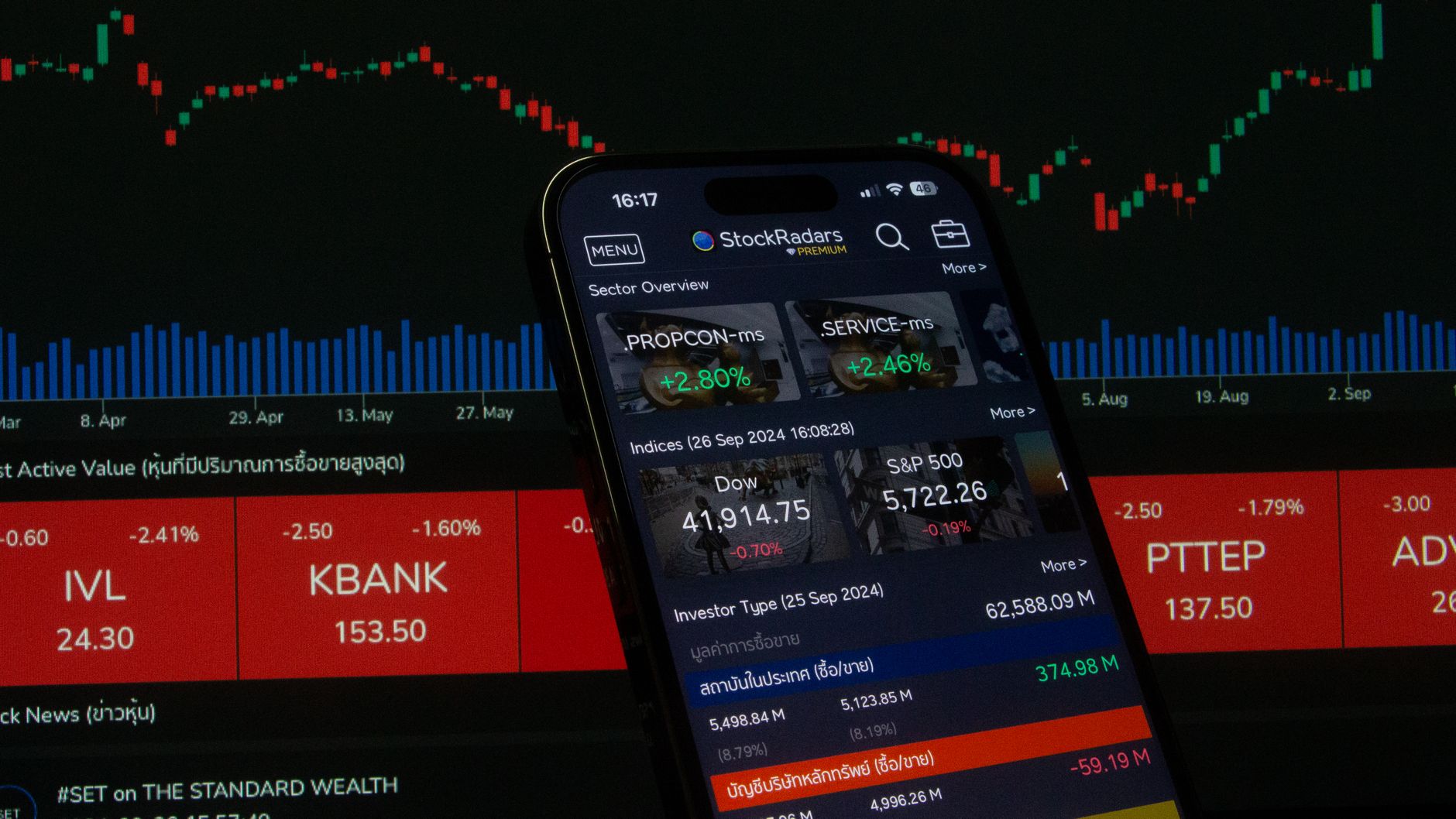
Every trading day brings a fresh wave of stock recommendations from various research platforms, brokerage houses, and market analysts. While these suggestions can be valuable starting points, intelligent investors need to understand the principles behind stock selection rather than treating recommendations as guaranteed winners.
Understanding Stock Recommendation Services
Stock recommendation platforms analyse thousands of companies using proprietary algorithms, technical indicators, and fundamental metrics. These services typically categorise stocks into buy, sell, or hold recommendations based on multiple parameters including price momentum, earnings growth, relative strength, and market trends.
However, every recommendation comes with an implicit time horizon and risk profile. A stock suitable for short-term trading may not align with long-term wealth creation goals, and vice versa. Understanding your own investment objectives is crucial before acting on any recommendation.
Key Factors Behind Stock Recommendations
Most credible stock research platforms evaluate several critical parameters before suggesting stocks:
- Price and volume patterns indicating institutional buying or selling
- Earnings growth trajectory over multiple quarters
- Relative strength compared to benchmark indices
- Industry and sector performance trends
- Technical breakouts or support levels
- Fundamental valuations including P/E ratios and debt levels
Professional analysts also consider macroeconomic factors, regulatory changes, and company-specific developments like management changes, new product launches, or expansion plans.
The Technical Analysis Component
Many daily stock picks rely heavily on technical analysis, which studies price charts and trading volumes to predict future movements. Common technical indicators include moving averages, relative strength index (RSI), moving average convergence divergence (MACD), and support-resistance levels.
Technical analysis can be particularly useful for timing entry and exit points. For instance, a stock recommendation might suggest buying when a share breaks above its 50-day moving average with above-average volume, indicating strong momentum.
However, technical signals work best in trending markets and can produce false signals during sideways or highly volatile periods. No technical indicator is foolproof, which is why most professional recommendations combine technical and fundamental analysis.
Fundamental Factors Matter Too
Beyond chart patterns, the underlying business quality determines long-term stock performance. Savvy investors evaluate several fundamental aspects:
- Revenue and profit growth consistency
- Return on equity and return on capital employed
- Debt-to-equity ratios and interest coverage
- Competitive positioning within the industry
- Management track record and corporate governance
- Promoter holding patterns and recent changes
A technically strong stock backed by weak fundamentals may deliver short-term gains but often fails to sustain momentum. Conversely, fundamentally strong companies may consolidate before their true value is recognised by the market.
Creating Your Own Evaluation Framework
Rather than blindly following recommendations, develop a personal checklist to evaluate any stock suggestion. Start by verifying whether the recommendation aligns with your risk appetite and investment timeframe.
Review the recommended entry price, target price, and stop-loss levels. Calculate the potential reward-to-risk ratio. A good trade setup typically offers at least a 2:1 or 3:1 reward-to-risk ratio, meaning the potential profit is two to three times the potential loss.
Research the company independently through annual reports, recent quarterly results, and management commentary. Check if the company faces any regulatory issues, litigation, or adverse news that might not be reflected in the technical recommendation.
Risk Management Essentials
Even the best stock recommendations come with inherent risks. Market conditions can change rapidly due to global events, policy announcements, or unexpected corporate developments.
Position sizing is critical—never invest more than 2-5% of your portfolio in a single stock based on a recommendation. This ensures that even if the trade goes wrong, your overall portfolio remains protected.
Always honour stop-loss levels. Many investors make the mistake of holding losing positions while hoping for recovery, which often leads to larger losses. Disciplined exit strategies are as important as smart entry decisions.
Building Long-Term Wealth
While daily stock recommendations can supplement your investment strategy, building lasting wealth requires a diversified portfolio, consistent review, and patience. No single recommendation or trading strategy works all the time.
Consider using stock picks as ideas to research further rather than as direct action items. Combine multiple information sources, trust your analysis, and never invest money you cannot afford to lose.
This article is for informational purposes only and should not be considered as financial advice. Stock market investments carry risks, and past performance does not guarantee future results. Consult with a qualified financial advisor before making investment decisions based on your individual financial situation and goals.