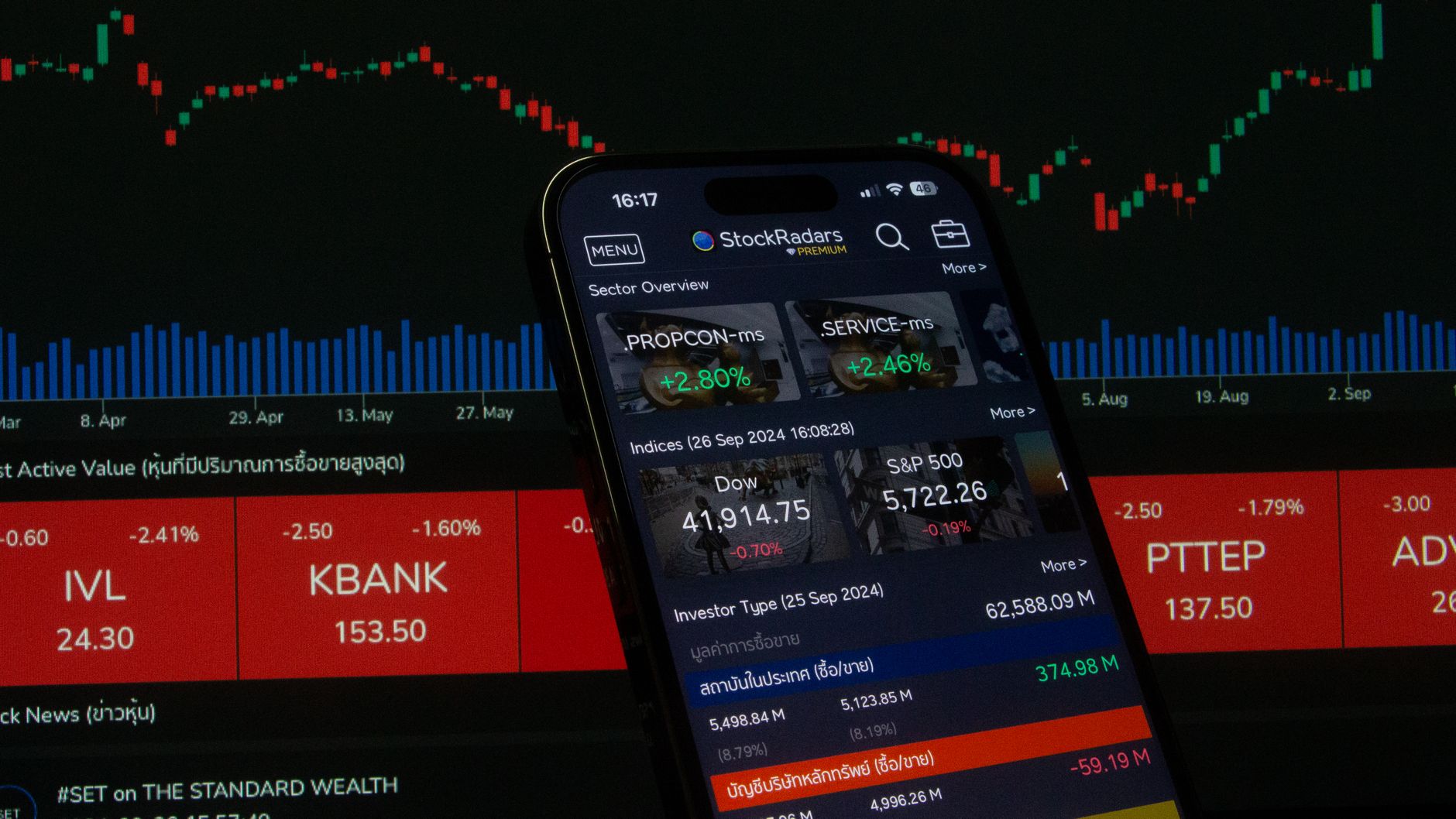
The recent case of a retired Airports Authority of India official losing Rs 38.5 lakh to stock market fraudsters highlights a growing menace targeting retirees and investors across India. This incident serves as a stark reminder that financial scams are becoming increasingly sophisticated, particularly when they involve promises of high returns in the stock market.
Why Retirees Are Prime Targets
Retired individuals often find themselves sitting on substantial retirement benefits, including provident fund payouts, pension commutations, and other accumulated savings. Scammers specifically target this demographic for several reasons. Retirees typically have significant liquid funds at their disposal, may have limited experience with modern investment platforms, and are often seeking ways to supplement their pension income through investments.
The psychological profile of many retirees makes them vulnerable. After decades in government or corporate service, they may trust authority figures or people who appear professional. Additionally, the desire to grow their retirement corpus to beat inflation and secure their family's future can sometimes cloud judgment when evaluating investment opportunities.
Common Tactics Used in Investment Scams
Stock market scams typically follow predictable patterns that investors should recognize. Fraudsters often initiate contact through unsolicited phone calls, WhatsApp messages, or social media advertisements promising guaranteed returns or insider information. They may claim affiliation with legitimate financial institutions or regulatory bodies to build credibility.
The scam usually progresses through carefully orchestrated stages. Initially, victims are added to Telegram or WhatsApp groups where they witness testimonials from supposed successful investors. These groups create a sense of urgency and FOMO—fear of missing out—by showcasing fabricated profit screenshots and celebrating fake success stories.
Scammers provide access to convincing but fraudulent trading platforms that display impressive returns on initial small investments. This builds trust and encourages victims to invest larger amounts. The platforms may show growing account balances, but when investors attempt to withdraw funds, they encounter various obstacles—demands for tax payments, processing fees, or margin money.
Red Flags Every Investor Should Recognize
Several warning signs can help identify potential investment scams before losing money. Guaranteed returns are the most obvious red flag, as legitimate investments always carry some degree of risk. Any promise of unusually high returns with zero risk should immediately raise suspicion.
Pressure tactics represent another critical warning sign. Legitimate investment advisors provide time for due diligence and never push for immediate decisions. Scammers create artificial urgency, claiming limited-time opportunities or exclusive access that requires immediate action.
Other red flags include:
- Unregistered entities claiming to offer investment services
- Requests to transfer money to personal bank accounts rather than company accounts
- Poor grammar and spelling in official communications
- Inability to provide SEBI registration numbers or verifiable credentials
- Resistance to in-person meetings or visits to physical offices
- Requests for remote access to your computer or phone
- Instructions to keep the investment opportunity confidential
Protecting Your Retirement Savings
Verification should be the first step before making any investment. Check whether the entity or individual is registered with the Securities and Exchange Board of India. SEBI maintains a database of registered intermediaries including stock brokers, investment advisors, and portfolio managers on its official website.
Never share sensitive financial information, including bank account details, card numbers, PINs, or OTPs with anyone claiming to offer investment services. Legitimate financial institutions never ask for this information through calls or messages.
Research thoroughly before investing. Seek information from multiple independent sources, read reviews, and consult with trusted family members or financial advisors. If an opportunity seems too good to be true, it almost certainly is.
Consider limiting investments to well-established platforms with proven track records. Stick to recognized banks, mutual fund companies, and SEBI-registered brokers for stock market investments.
What to Do If You're a Victim
If you suspect you've been scammed, act immediately. Contact your bank to attempt freezing the transaction, file a complaint on the National Cyber Crime Reporting Portal (www.cybercrime.gov.in), and report the incident to your local police station. Also notify SEBI through their SCORES portal if the scam involved securities markets.
Time is critical in fraud cases, as recovering funds becomes increasingly difficult once money moves through multiple accounts or overseas.
This article is for general informational purposes only and should not be considered as financial or legal advice. Readers should consult with qualified financial advisors and legal professionals for guidance specific to their individual circumstances before making investment decisions.