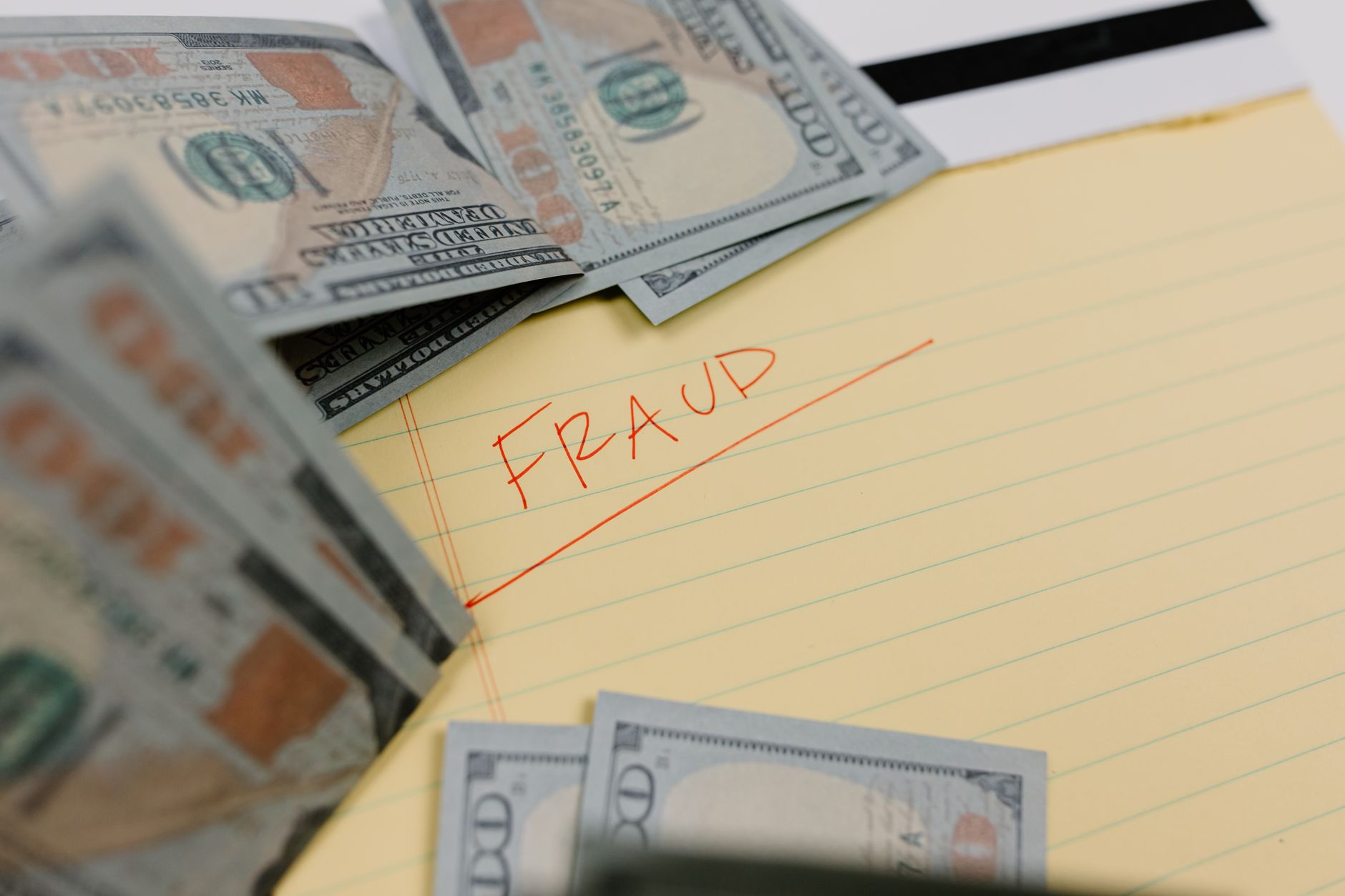
The recent spate of exam paper leaks across India has exposed a disturbing reality: what was once opportunistic cheating has transformed into a well-organized criminal enterprise with its own supply chains, pricing structures, and investor networks. Understanding this phenomenon requires examining both its economic mechanics and broader social implications.
The Business Model Behind Paper Leaks
The exam leak industry operates on principles familiar to any market-based system. Criminal networks identify high-stakes examinations—competitive entrance tests, government recruitment exams, professional licensing tests—where success carries enormous financial rewards. These become their "products."
The supply chain typically involves multiple actors. Insiders at printing presses, examination boards, or storage facilities extract papers days or hours before the exam. Middle-tier operators digitize and distribute these papers through encrypted channels. Street-level sellers connect with desperate students willing to pay premium prices for guaranteed success.
Pricing follows basic economics. Papers for high-value exams like medical entrance tests or civil services can fetch lakhs of rupees per student. Lower-stakes university exams might sell for thousands. The industry has even developed "subscription models" where repeat customers receive priority access to leaked papers across multiple examinations.
Why This Industry Flourishes
Several factors have enabled this illicit economy to thrive and attract investment from organized criminal elements.
The mathematics of desperation drives demand. When a single exam determines entry to lucrative careers—medical practice, engineering, government jobs—students and parents calculate that the cost of a leaked paper is minimal compared to potential lifetime earnings. In a society where unemployment remains high and competition is fierce, ethical considerations often take a backseat to survival instincts.
Limited consequences for perpetrators create a low-risk, high-reward environment. Investigations are slow, convictions rare, and penalties often inadequate compared to profits generated. This risk-reward ratio attracts investment just as any profitable venture would.
Technology has paradoxically both helped and hindered the industry. While authorities can now deploy better security measures, leaked papers can be photographed with smartphones, distributed via encrypted messaging apps, and sold through anonymous digital payment channels. The digital infrastructure intended for legitimate commerce serves criminal purposes equally well.
The Investment Angle
Organised crime syndicates have begun treating exam leaks as investment opportunities, allocating capital just as venture capitalists fund startups. They invest in:
- Developing networks of insiders across multiple examination bodies
- Creating secure communication and distribution infrastructure
- Building customer databases and payment collection systems
- Legal defense funds for operatives who get caught
- Diversification across different examination types and geographic regions
The return on investment can be extraordinary. A single major exam leak might generate revenues in the crore range, with operational costs representing a small fraction. Syndicates reinvest profits into expanding operations, much like legitimate businesses scaling their models.
Some reports suggest connections between exam leak networks and other criminal enterprises, creating diversified portfolios that include document forgery, identity fraud, and recruitment scams. Money laundering through seemingly legitimate educational businesses further obscures the trail.
Economic and Social Costs
The broader economic impact extends far beyond the immediate transactions. When leaked exams go undetected, unqualified individuals enter professions, creating long-term productivity losses. A doctor who cheated through medical school represents a risk to patients. An engineer who bought exam papers might design unsafe structures.
Merit erosion undermines economic efficiency. When positions go to those who can afford leaked papers rather than those most qualified, human capital allocation becomes inefficient, dragging down overall economic productivity.
The psychological impact creates a cynicism tax. Honest students who prepare diligently but lose opportunities to cheaters become disillusioned with systems and institutions, potentially affecting their future civic engagement and trust in markets.
Breaking the Cycle
Addressing this industry requires understanding it as an economic phenomenon. Reducing rewards—by having multiple examination attempts, diverse assessment methods, and alternative pathways to careers—decreases the winner-take-all mentality that fuels demand.
Increasing costs and risks for perpetrators through swift prosecution, substantial penalties, and technological countermeasures changes the risk-reward calculation. Blockchain-based paper tracking, AI-powered analysis of exam results for anomalies, and whistleblower rewards create additional friction.
Ultimately, transforming education from a zero-sum competition to a system offering multiple pathways to success may be the most effective long-term solution, removing the desperation that makes this industry profitable.
The exam leak industry thrives because it exploits deep systemic issues in education, employment, and social mobility, making it a problem requiring solutions beyond simple law enforcement.