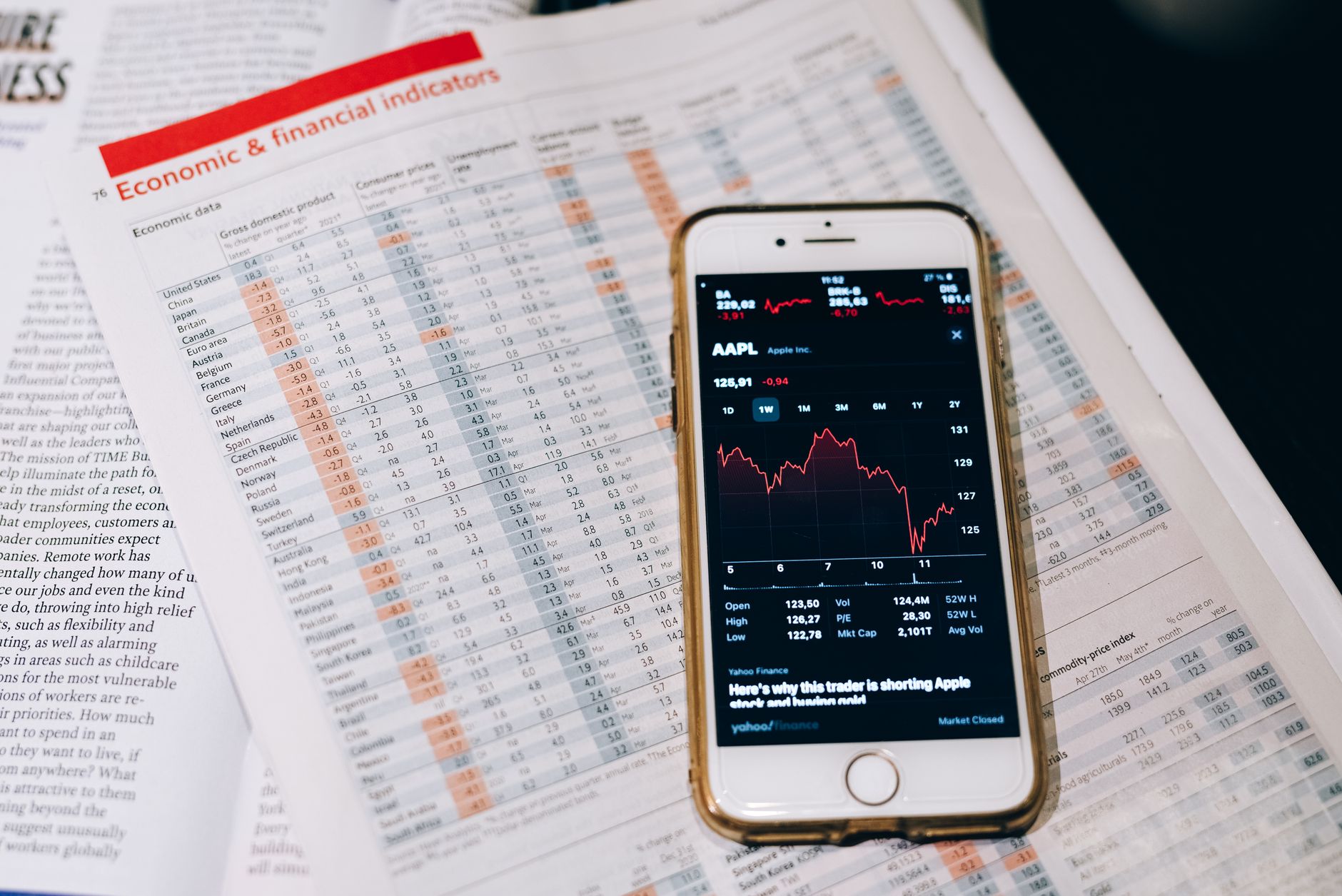
The ongoing tensions in the Middle East have sent ripples through global financial markets, prompting investors to reassess their portfolios and geographic exposures. Goldman Sachs, one of the world's leading investment banks, has recently shared its perspective on how Indian stock markets might fare amid this geopolitical turbulence, offering valuable guidance for both institutional and retail investors.
Understanding the Middle East Impact on Indian Markets
Geopolitical conflicts in the Middle East traditionally affect Indian markets through several transmission channels. The most immediate concern is crude oil prices, as India imports approximately 85 percent of its oil requirements. Any spike in oil prices due to supply disruptions or heightened regional tensions directly impacts India's import bill, current account deficit, and inflation trajectory.
The Middle East also remains a critical region for India's economic ties. Millions of Indian expatriates work across Gulf nations, sending substantial remittances home. Additionally, these countries are significant trading partners for Indian businesses. Any prolonged instability could potentially disrupt trade flows and remittance channels.
Goldman Sachs's Key Assessment Points
Investment analysts typically examine multiple factors when evaluating market resilience during geopolitical crises. For India, several structural advantages may provide cushioning against external shocks.
India's economy has shown remarkable domestic consumption strength in recent years. Unlike many emerging markets heavily dependent on exports, India's growth story is increasingly driven by internal demand. This domestic consumption engine can provide stability even when external conditions deteriorate.
The country's foreign exchange reserves, currently hovering around comfortable levels, offer a buffer against capital outflows that typically accompany risk-off scenarios in global markets. This reserve cushion allows the Reserve Bank of India to manage currency volatility more effectively.
Sector-Specific Implications
Different sectors of the Indian economy face varying degrees of exposure to Middle East developments. Understanding these nuances helps investors make informed allocation decisions.
- Energy-intensive sectors like aviation, logistics, and paints face margin pressure when crude prices rise
- Banking and financial services typically show resilience due to their domestic focus
- Information technology and pharmaceutical sectors, with dollar-denominated earnings, may benefit from rupee depreciation
- Defense and domestic manufacturing could see increased attention as geopolitical risks highlight self-reliance
The Oil Price Variable
Crude oil prices remain the single most critical variable linking Middle East tensions to Indian market performance. Every ten-dollar increase in crude prices per barrel typically widens India's current account deficit and adds to inflationary pressures.
However, the relationship isn't entirely linear. India has diversified its crude sourcing over recent years, reducing dependence on any single region. The government has also built strategic petroleum reserves and improved its ability to manage short-term supply shocks.
Moreover, softening global demand, particularly from China, has kept crude prices from spiraling despite regional conflicts. This global demand-supply dynamic plays an equally important role alongside geopolitical tensions.
Portfolio Positioning Strategies
For investors navigating this uncertainty, several strategies merit consideration. Diversification across market capitalizations and sectors remains fundamental. Large-cap stocks with strong balance sheets typically weather volatility better than smaller companies.
Defensive sectors such as consumer staples, healthcare, and utilities often outperform during periods of heightened risk. These businesses provide essential goods and services with relatively inelastic demand.
Quality remains paramount—companies with low debt, consistent cash flows, and pricing power can better absorb input cost increases resulting from oil price shocks.
Long-term Perspective Matters
While short-term volatility may persist as Middle East situations evolve, India's long-term structural growth story remains largely intact. Favorable demographics, ongoing digital transformation, infrastructure development, and policy reforms continue supporting the investment case.
Historical evidence suggests that geopolitical crises, while causing temporary market corrections, rarely derail long-term uptrends in fundamentally strong economies. Patient investors who maintain discipline during volatile periods often benefit from eventual market recovery.
The key lies in distinguishing between temporary noise and permanent impairment to business fundamentals. Most geopolitical tensions fall into the former category.
Disclaimer
This article is for general informational purposes only and should not be construed as investment advice. Market conditions and geopolitical situations can change rapidly. Investors should conduct thorough research and consult with qualified financial advisors before making investment decisions based on their individual risk tolerance and financial goals.