The Indian stock market has witnessed an unprecedented surge in young, first-time investors over the past few years. However, this democratization of trading has come with a sobering reality: significant financial losses among Gen Z traders who are often ill-equipped to navigate the complexities of equity markets.
The Gen Z Trading Boom
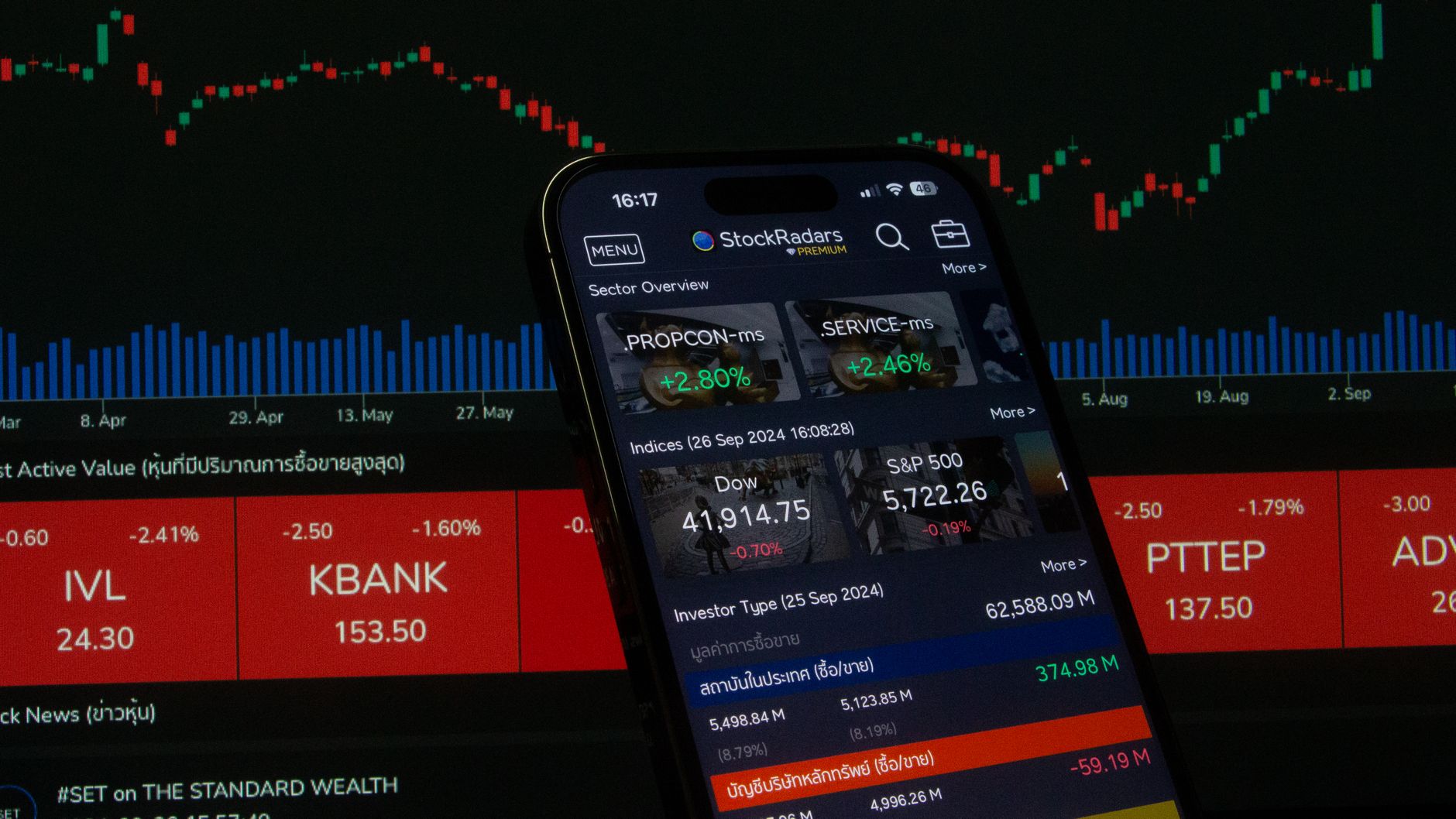
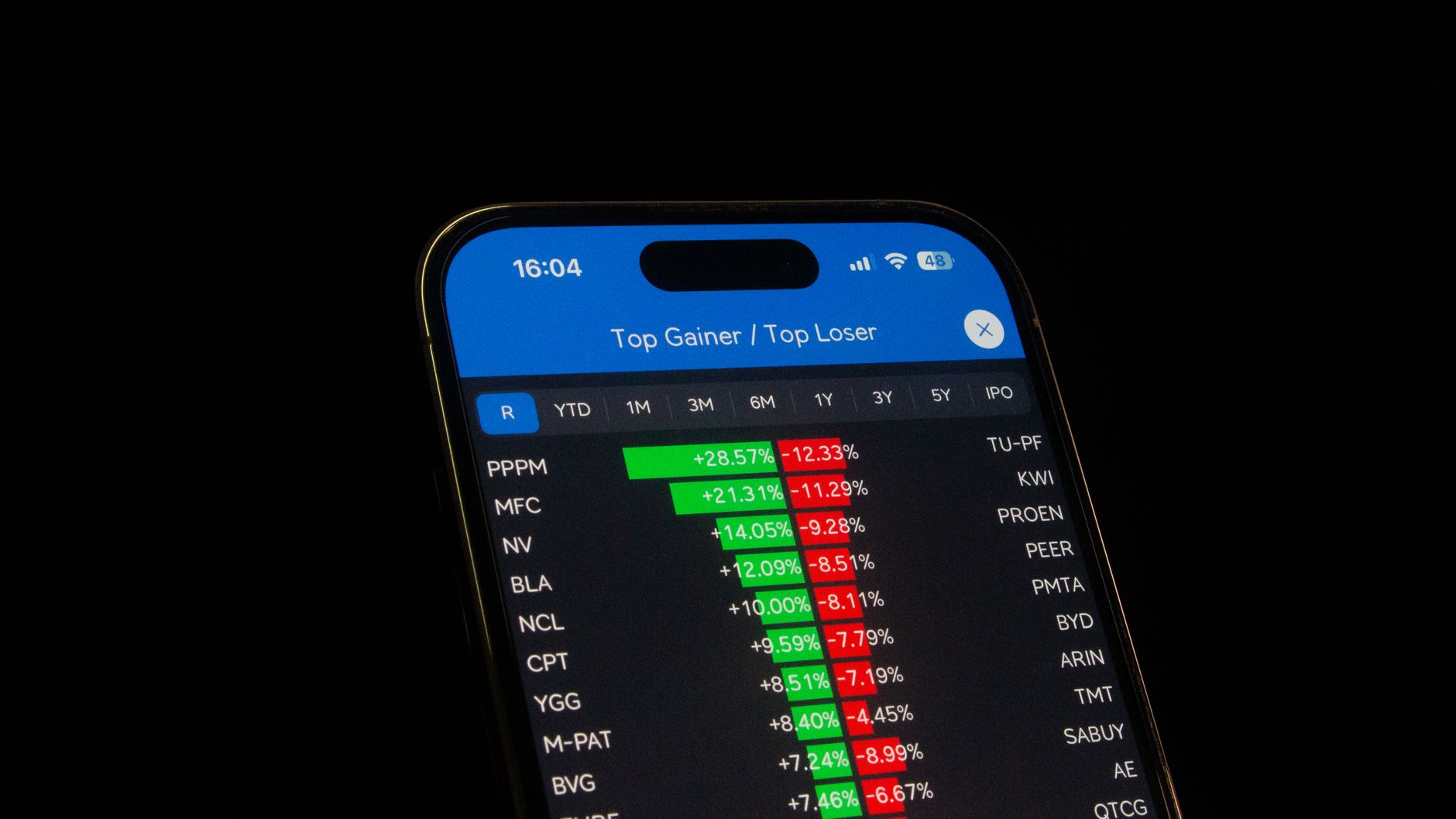
The explosion of trading apps, zero-brokerage platforms, and social media influence has made stock market participation incredibly accessible to young Indians. During and after the pandemic, millions of Gen Z individuals—those born between 1997 and 2012—opened trading accounts, attracted by stories of quick wealth and the gamification of investing through user-friendly apps.
This generation grew up with smartphones and instant gratification, making the appeal of day trading and quick profits particularly strong. Trading platforms have capitalized on this by creating interfaces that resemble gaming apps, complete with confetti animations for successful trades and push notifications encouraging frequent trading.
Why Young Traders Are Losing Money
Several factors contribute to the substantial losses experienced by Gen Z traders in India:
- Lack of financial literacy and understanding of market fundamentals
- Over-reliance on social media tips and influencer recommendations without due diligence
- Excessive use of leverage and margin trading to amplify positions
- Emotional decision-making driven by fear of missing out (FOMO)
- Frequent trading in derivatives and options without understanding the risks
- Insufficient emergency funds, leading to forced selling during market downturns
The Derivatives Trap
One of the most dangerous aspects of the Gen Z trading phenomenon is the heavy participation in futures and options (F&O) trading. Unlike equity investing, derivatives are zero-sum games where one trader's profit is another's loss, minus transaction costs and taxes.
Many young traders are drawn to options trading because of the perceived low capital requirement and the possibility of outsized returns. However, the complexity of options pricing, time decay, and volatility make it extremely difficult for inexperienced traders to profit consistently. Studies have shown that the vast majority of individual F&O traders in India lose money over time.
The Social Media Influence
Social media platforms, particularly Instagram, YouTube, and Telegram channels, have become breeding grounds for unverified trading advice. Self-proclaimed trading gurus showcase their winning trades while conveniently omitting their losses, creating unrealistic expectations among impressionable young followers.
This phenomenon has led to a herd mentality where young traders pile into the same stocks or strategies without independent analysis. When these trades go wrong—as they often do—the losses multiply across thousands of participants.
The Psychological Impact
Beyond the financial losses, young traders face significant psychological consequences. The stress of mounting losses, the shame of admitting failure to family and friends, and the burden of debt taken on for trading can lead to anxiety and depression. Some young traders have reported taking loans or using credit cards to fund their trading activities, compounding their financial troubles.
Lessons for Young Investors
The experiences of Gen Z traders offer valuable lessons for anyone considering market participation:
- Investing is different from trading; long-term wealth building requires patience
- Education should precede investment; understand what you're buying and why
- Start small and with money you can afford to lose completely
- Avoid leverage and margin trading until you have significant experience
- Build an emergency fund before investing in markets
- Diversification across asset classes reduces risk
- Be skeptical of get-rich-quick schemes and social media trading tips
A Path Forward
The solution isn't to discourage young people from participating in markets but to ensure they do so with proper knowledge and realistic expectations. Financial literacy initiatives, both from regulators and educational institutions, need to reach young people before they start trading.
Investment should be approached as a long-term wealth-building tool rather than a shortcut to quick riches. The stocks that have created generational wealth in India—from established companies to new-age businesses—have rewarded patient investors, not frequent traders.
Young Indians have the advantage of time, which is the most powerful factor in wealth compounding. By shifting focus from speculative trading to disciplined investing, Gen Z can harness the power of equity markets without falling into the trap that has cost their peers dearly.
This article is for informational purposes only and should not be considered financial advice. Investing in securities involves risks, including possible loss of principal. Please consult with a qualified financial advisor before making investment decisions based on your personal financial situation and risk tolerance.