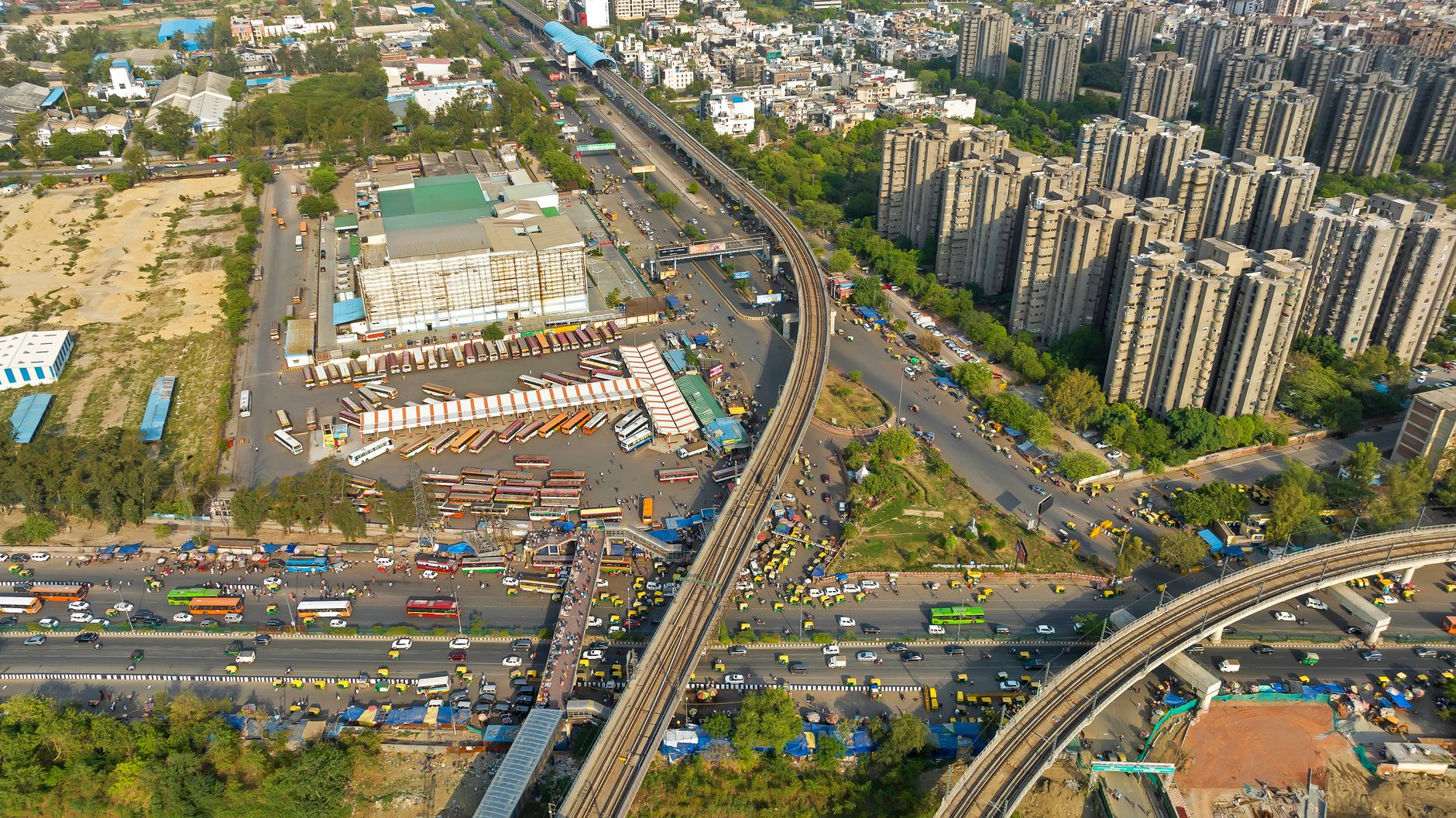
For decades, India's employment story revolved around its major metropolitan centres. Fresh graduates and experienced professionals alike flocked to Mumbai, Delhi, Bengaluru, and Hyderabad, chasing career opportunities and higher salaries. However, a significant transformation is underway. Non-metro cities across India are now becoming vibrant employment hubs, creating jobs at an unprecedented pace and reshaping the country's economic geography.
The Rise of Non-Metro Employment Hubs
Cities like Visakhapatnam, Surat, Coimbatore, Indore, Jaipur, Chandigarh, and Kochi are witnessing remarkable job growth across multiple sectors. This shift isn't accidental—it's the result of deliberate industrial development, improved infrastructure, and changing business strategies that prioritize cost optimization and talent availability.
Visakhapatnam, for instance, has evolved from being primarily a port city to a manufacturing and IT services destination. Surat continues to dominate the diamond cutting and textile industries while diversifying into other manufacturing sectors. Coimbatore has strengthened its position as a manufacturing powerhouse, particularly in automotive components, textiles, and light engineering.
Factors Driving Job Creation in Tier-2 Cities
Several interconnected factors are fueling this employment boom in non-metro cities.
The most significant driver is the lower cost of operations. Real estate prices in tier-2 cities are substantially lower than metros, allowing companies to establish larger facilities at a fraction of the cost. This applies not just to manufacturing plants but also to office spaces for IT and business process outsourcing operations.
Infrastructure development has been crucial. Improved connectivity through national highways, dedicated freight corridors, new airports, and better digital infrastructure has made these cities more accessible and business-friendly. The government's Smart Cities Mission has further accelerated urban development in many non-metro centres.
State governments have actively courted investment through attractive incentive packages, streamlined approvals, and sector-specific industrial parks. States like Gujarat, Tamil Nadu, Maharashtra, and Andhra Pradesh have been particularly successful in attracting manufacturing and service sector investments to their tier-2 cities.
Sectors Leading the Employment Surge
Manufacturing remains the backbone of job creation in many non-metro cities. Automobile and auto components, pharmaceuticals, textiles and apparel, food processing, and electronics manufacturing have established significant presence outside major metros. These sectors not only create direct employment but also generate substantial indirect jobs through supply chains and ancillary services.
The IT and business services sector, once concentrated almost exclusively in Bengaluru, Pune, and Hyderabad, is expanding into cities like Indore, Jaipur, Coimbatore, and Visakhapatnam. Companies are setting up tier-2 development centres and back-office operations, attracted by lower attrition rates and cost advantages.
Logistics and warehousing have witnessed explosive growth as e-commerce companies establish regional distribution centres in strategic non-metro locations. This creates jobs not just in warehousing but also in transportation, last-mile delivery, and associated services.
Healthcare and education sectors are also contributing significantly to employment in these cities, as institutions expand to serve growing urban populations with increasing purchasing power.
Advantages for Job Seekers
For professionals, non-metro cities offer compelling advantages beyond just employment. The lower cost of living means that salaries, even if nominally lower than metro cities, often provide superior purchasing power and quality of life. Housing is more affordable and spacious, commute times are significantly shorter, and air quality is generally better.
Many professionals are choosing to return to their hometowns or smaller cities, attracted by the improving career opportunities without the need to sacrifice quality of life. This trend accelerated during the pandemic as remote work demonstrated that productive work doesn't require living in expensive, congested metros.
Challenges That Remain
Despite the positive momentum, non-metro cities face challenges in sustaining this jobs boom. Availability of specialized talent, particularly in emerging technology areas, remains limited. Educational institutions in these cities need to align curricula with industry needs more effectively.
Social and cultural amenities, while improving, still lag behind major metros, which can be a deterrent for some professionals. Access to quality healthcare and international-standard schools remains a concern for many potential migrants.
The Road Ahead
The jobs boom in non-metro cities represents a structural shift in India's employment landscape rather than a temporary trend. As infrastructure continues to improve and more companies embrace distributed operations, this trend is likely to accelerate. For India's economic development and balanced regional growth, the rise of these employment hubs beyond traditional metros is unquestionably positive.
Job seekers today have more geographic options than ever before, and companies have access to untapped talent pools. This distributed growth model could well define India's employment story for the coming decades.