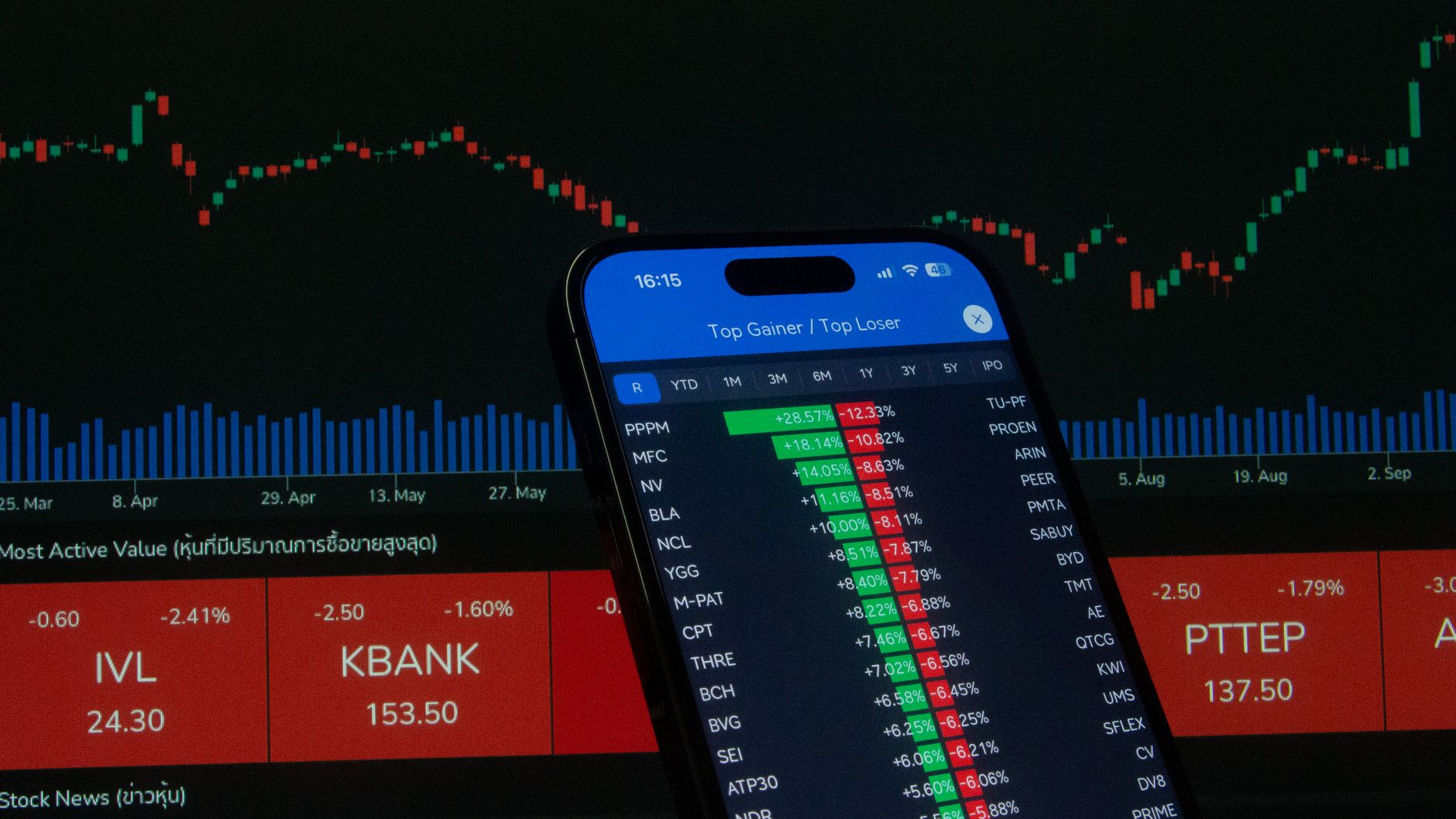
Foreign Portfolio Investors (FPIs) have made a strong comeback to the Indian stock market, injecting ₹12,921 crore in the opening week of August. This substantial inflow marks a significant shift in sentiment after months of cautious investment patterns and reflects growing confidence in India's economic fundamentals and corporate earnings potential.
Understanding Foreign Portfolio Investors
Foreign Portfolio Investors are overseas entities that invest in financial assets of another country, including stocks, bonds, and mutual funds. Unlike Foreign Direct Investment (FDI), which involves long-term stakes and management control in companies, FPI represents shorter-term investment in securities that can be bought and sold relatively quickly on exchanges.
FPIs play a crucial role in the Indian capital markets, providing liquidity, price discovery, and international validation of domestic valuations. Their investment decisions often influence market sentiment and can trigger significant movements in stock indices.
What's Driving the Recent Inflows
Several factors have contributed to this surge in foreign investment:
- Robust domestic economic growth projections, with India expected to remain among the fastest-growing major economies globally
- Strong corporate earnings reported by Indian companies across sectors
- Relative political stability following recent elections
- Attractive valuations in select sectors after previous corrections
- Weakening of the US dollar against emerging market currencies
- Expectations of interest rate cuts in developed markets, making emerging markets more attractive
The timing of these inflows is particularly noteworthy as they come amid global economic uncertainty, including concerns about recession in developed markets and geopolitical tensions.
Sectoral Preferences and Investment Patterns
FPIs typically favor sectors with strong growth potential and those benefiting from structural reforms. Financial services, information technology, consumer goods, and infrastructure-related sectors have historically attracted significant foreign capital.
The current wave of investment suggests that foreign investors are looking beyond short-term volatility and positioning themselves for India's long-term growth story. This includes the country's digital transformation, infrastructure development, and expanding middle-class consumption.
Impact on Indian Stock Markets
The substantial FPI inflows have provided strong support to Indian equity indices. When foreign investors buy Indian stocks in large volumes, it creates upward pressure on prices and contributes to market rallies. This influx of capital also strengthens the rupee against foreign currencies, though the Reserve Bank of India often intervenes to prevent excessive appreciation that could hurt exports.
Beyond immediate price impacts, sustained FPI interest validates India's position as a preferred investment destination among emerging markets. It provides domestic companies with access to deeper pools of capital and can lower the cost of equity financing.
Historical Context and Volatility
FPI flows into India have historically been volatile, influenced by global risk appetite, US Federal Reserve policies, oil prices, and domestic factors. Previous years have seen alternating periods of heavy inflows and outflows, often coinciding with global events like the pandemic, interest rate cycles, or geopolitical crises.
The recent ₹12,921 crore investment should be viewed in this context—while substantial, it represents just one week's activity, and flows can reverse quickly based on changing global conditions. However, the momentum suggests that foreign investors are finding compelling opportunities in Indian equities.
Challenges and Considerations
Despite the positive sentiment, several challenges could affect future FPI flows:
- Global inflation trends and central bank policies in developed economies
- Geopolitical tensions affecting trade and investment flows
- Rupee volatility and currency hedging costs for foreign investors
- Competition from other emerging markets
- Domestic policy changes affecting foreign investment regulations
Market participants and policymakers closely monitor FPI activity as an important indicator of global confidence in Indian assets.
What This Means for Retail Investors
For domestic retail investors, strong FPI inflows generally indicate positive market sentiment but should not be the sole basis for investment decisions. Retail investors should focus on their own financial goals, risk tolerance, and investment horizons rather than trying to follow FPI trends, which can be highly tactical and short-term oriented.
The broader message from sustained foreign interest is that India's equity markets offer compelling opportunities for long-term wealth creation, supported by favorable demographics, economic reforms, and corporate governance improvements.
This article is for general informational purposes only and should not be construed as investment advice. Equity investments carry market risks, and past performance or current trends do not guarantee future returns. Readers should conduct their own research and consult with qualified financial advisors before making investment decisions.