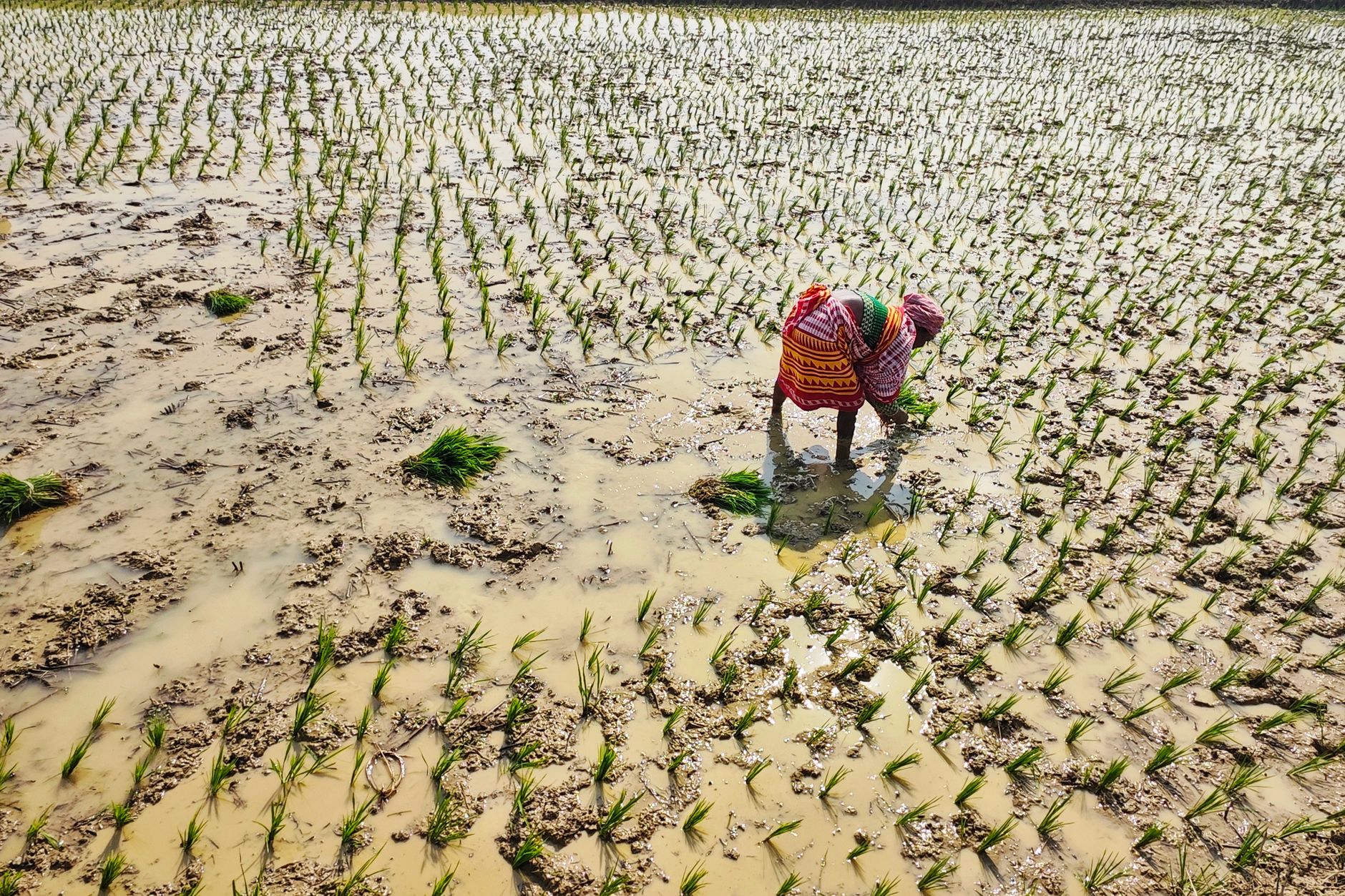
Indian agriculture remains remarkably dependent on the Southwest monsoon, with nearly 52% of the country's net cultivated area still relying on rainfall rather than irrigation. This makes the annual June-to-September monsoon period not just a weather phenomenon but an economic event that affects 58% of India's workforce and contributes roughly 18% to the national GDP.
The investment community has taken notice. Over the past three years, agricultural biotechnology firms developing drought-resistant and climate-adaptive seeds have attracted over Rs 12,000 crore in venture capital and private equity funding. The central question driving this investment wave is whether superior seed technology can finally break the age-old dependence of Indian farmers on monsoon patterns.
The Monsoon Vulnerability Problem
Traditional farming practices in India have always been synchronized with monsoon patterns. However, climate change has introduced unprecedented variability. Delayed monsoon onset, mid-season dry spells, and uneven spatial distribution of rainfall have become increasingly common. The 2023 monsoon season exemplified this unpredictability, with some regions receiving 40% below-normal rainfall while others faced flooding.
This volatility translates directly into agricultural uncertainty. Crop failures due to inadequate or poorly timed rainfall push farmers into debt cycles, reduce rural purchasing power, and create ripple effects throughout the economy. The Reserve Bank of India estimates that monsoon deviations can impact GDP growth by 0.2 to 0.7 percentage points.
The Seed Technology Solution
Advanced seed varieties promise to address monsoon dependency through several mechanisms. Drought-tolerant hybrids can maintain yields even with 20-30% less water than conventional varieties. These seeds incorporate traits that allow deeper root systems, better water retention in plant tissues, and more efficient photosynthesis under stress conditions.
Companies like Bayer, Corteva, and Indian firms such as Kaveri Seeds and Nuziveedu Seeds have invested heavily in developing climate-resilient varieties. Their product pipelines include seeds engineered for specific stress conditions—from terminal drought tolerance to submergence tolerance for flood-prone areas.
Short-duration crop varieties represent another technological approach. By reducing the crop cycle from 120 days to 90 days, these seeds allow farmers to avoid late-season moisture stress and even fit in additional crop cycles, potentially increasing annual income.
Investment Opportunities and Risks
The seed technology sector presents multiple investment avenues. Publicly listed seed companies offer direct exposure to this growth story. Companies with strong research pipelines and extensive distribution networks in rural areas are particularly well-positioned.
Agricultural technology startups focused on precision farming and seed customization have also emerged as attractive investment targets. These companies use data analytics and AI to recommend optimal seed varieties based on specific soil conditions, historical rainfall patterns, and seasonal forecasts.
However, investors must consider several risk factors. Regulatory approvals for genetically modified crops in India remain contentious and slow. Public sentiment around GM crops, particularly food crops, continues to be mixed. The approval process can take 5-7 years, significantly extending the path to commercialization and returns.
Additionally, seed technology alone cannot solve all monsoon-related problems. Infrastructure deficits in irrigation, storage, and market access remain significant bottlenecks. Even the best seeds cannot overcome systemic issues like fragmented landholdings or inadequate crop insurance penetration.
The Ground Reality
Adoption of advanced seeds requires farmers to make higher upfront investments. Premium hybrid seeds can cost 3-4 times more than traditional varieties. For small and marginal farmers operating on thin margins, this represents a significant barrier despite the potential for higher yields and better risk management.
Government subsidies and institutional credit support become crucial enablers. The success of seed technology as a monsoon solution depends partly on how effectively the ecosystem supports farmer adoption through financing schemes, crop insurance innovations, and agricultural extension services.
A Complementary Approach
Most agricultural economists and investment analysts now view improved seeds as one essential component of a broader solution rather than a standalone fix. Integrated approaches combining superior seeds with micro-irrigation, weather forecasting technology, and improved soil health management show the most promise.
The investment thesis around seed technology remains compelling for long-term investors willing to navigate regulatory uncertainties. As climate change continues to disrupt traditional monsoon patterns, the demand for climate-resilient agricultural inputs will likely grow. However, investors should maintain realistic expectations about timelines and understand that agricultural transformation is a gradual, multi-decade process rather than a quick technological fix.
This article is for general informational purposes only and should not be construed as investment advice. Readers should conduct their own research and consult with qualified financial advisors before making investment decisions.