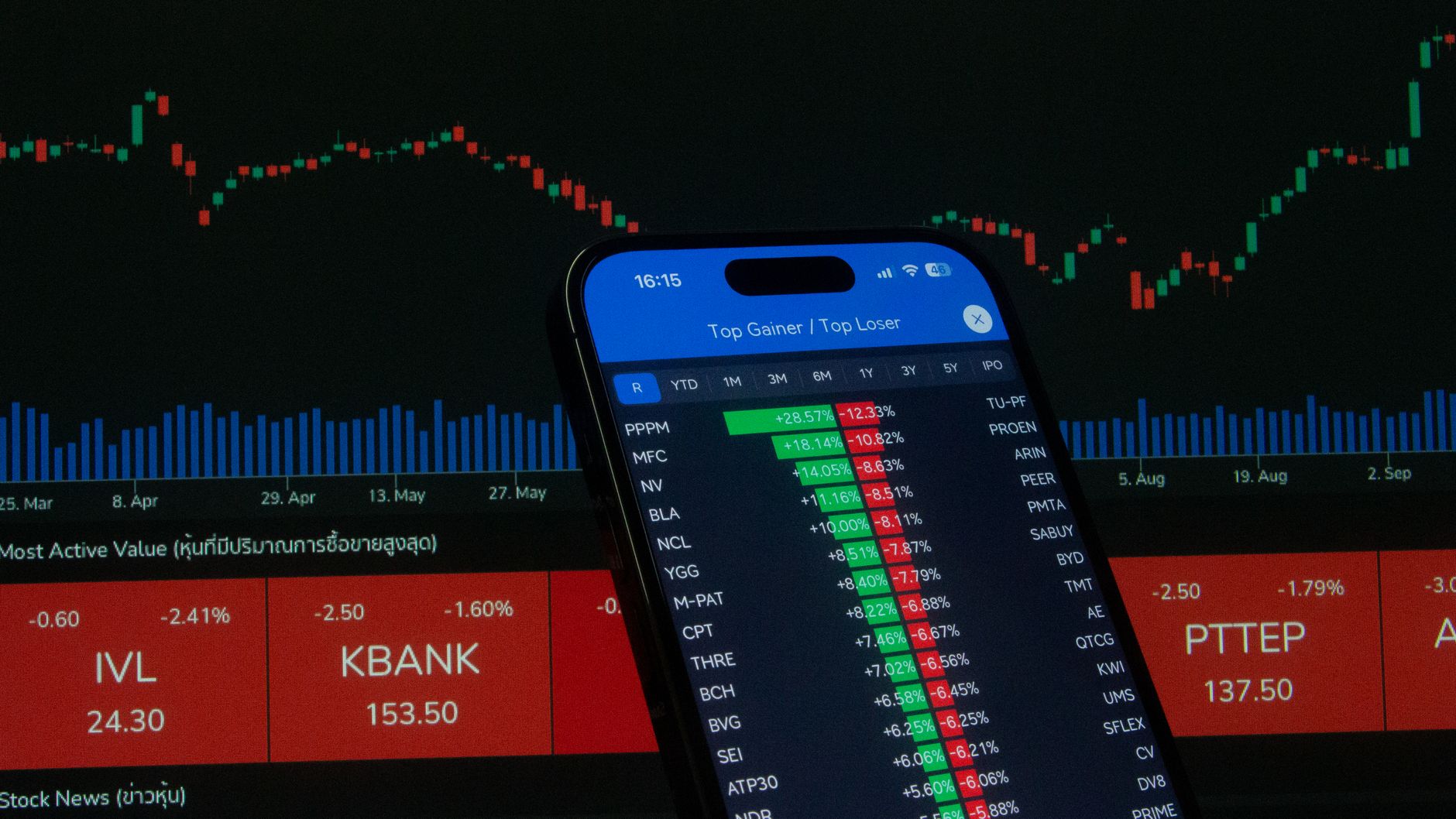
Investing in low-price stocks has always attracted Indian retail investors looking to enter the equity market with limited capital or seeking potentially high-percentage returns. However, the price of a stock alone tells very little about its investment merit, and understanding what makes a low-price stock worth considering requires looking beyond the share price.
Understanding Low-Price Stocks
Low-price stocks typically refer to shares trading below Rs 100 or Rs 50 per share, though definitions vary. These include both legitimate small-cap and mid-cap companies with solid businesses and penny stocks that trade at very low prices due to poor fundamentals or limited market interest.
The key distinction lies in the reason behind the low price. A stock might be inexpensive because it has a large number of outstanding shares, making the per-share price low despite a healthy market capitalization. Conversely, it might be cheap because the market has concerns about the company's prospects, debt levels, or profitability.
Why Investors Consider Low-Price Stocks
- Affordability allows investors with limited capital to purchase more shares and build diversified portfolios
- Potential for higher percentage returns if the company's fortunes improve
- Psychological appeal of owning more shares rather than fractional holdings
- Opportunity to invest in emerging sectors or turnaround stories early
- Lower absolute loss per share if the investment doesn't perform well
Key Factors to Evaluate
When considering low-price stocks, investors should examine several critical parameters beyond just the share price.
Market capitalization provides context about the company's overall size and whether it genuinely represents value. A Rs 50 stock with 1000 crore shares outstanding has a Rs 50,000 crore market cap, which is completely different from a Rs 50 stock with 10 crore shares outstanding.
Financial health indicators include revenue growth trends, profit margins, debt-to-equity ratios, and cash flow generation. Many low-price stocks carry significant debt burdens or operate with negative cash flows, which increases investment risk substantially.
Promoter holding and institutional interest signal confidence in the company's future. Strong promoter holding combined with increasing institutional participation often indicates genuine long-term potential.
Sectors That Often Feature Low-Price Opportunities
Certain sectors in India historically feature more low-price stocks due to industry characteristics or market cycles.
Infrastructure and capital-intensive industries often have lower per-share prices due to large equity bases. Manufacturing companies, particularly in traditional sectors, may trade at low prices during industry downturns but represent value if fundamentals remain strong.
Emerging sectors like renewable energy, electric vehicles, or technology services may have newer companies with low share prices as they establish market presence. Banking and financial services, especially smaller regional banks and NBFCs, frequently appear in low-price categories.
Risks Associated with Low-Price Investing
Low-price stocks carry specific risks that investors must acknowledge.
Liquidity concerns arise because many low-price stocks have limited trading volumes, making it difficult to exit positions quickly without impacting the price. This becomes particularly problematic during market downturns.
Volatility tends to be higher, with prices capable of swinging dramatically based on relatively small changes in sentiment or company news. While this creates profit opportunities, it equally increases loss potential.
Lower circuit filters mean these stocks can hit upper or lower price limits frequently, preventing immediate buying or selling at desired prices.
Information availability may be limited compared to large-cap stocks, with less analyst coverage and media attention, making independent research more challenging.
Building a Strategy for Low-Price Stock Investment
Successful investing in this segment requires disciplined approaches.
Diversification becomes even more important when dealing with higher-risk securities. Concentrating too heavily in one or two low-price stocks amplifies risk considerably.
Position sizing should reflect the elevated risk profile. Allocating a smaller percentage of overall portfolio value to low-price stocks helps manage potential losses while maintaining upside participation.
Fundamental research cannot be shortcut. Reading annual reports, understanding business models, and verifying financial data through official sources provides essential protection against poor investments.
Regular monitoring of portfolio holdings ensures investors stay informed about material changes in company prospects or sector dynamics that might warrant adjusting positions.
The Bottom Line
Low-price stocks can serve as useful portfolio components when selected carefully based on solid fundamentals rather than just attractive prices. The emphasis should remain on business quality, growth potential, and reasonable valuation metrics rather than the absolute share price. Beginning investors should consider gaining experience with established companies before venturing into this segment, while all investors should maintain realistic expectations about both returns and risks.
This article is for informational purposes only and should not be considered as investment advice. Please consult with a qualified financial advisor before making any investment decisions. Past performance does not guarantee future results, and all investments in equity markets carry inherent risks including potential loss of capital.