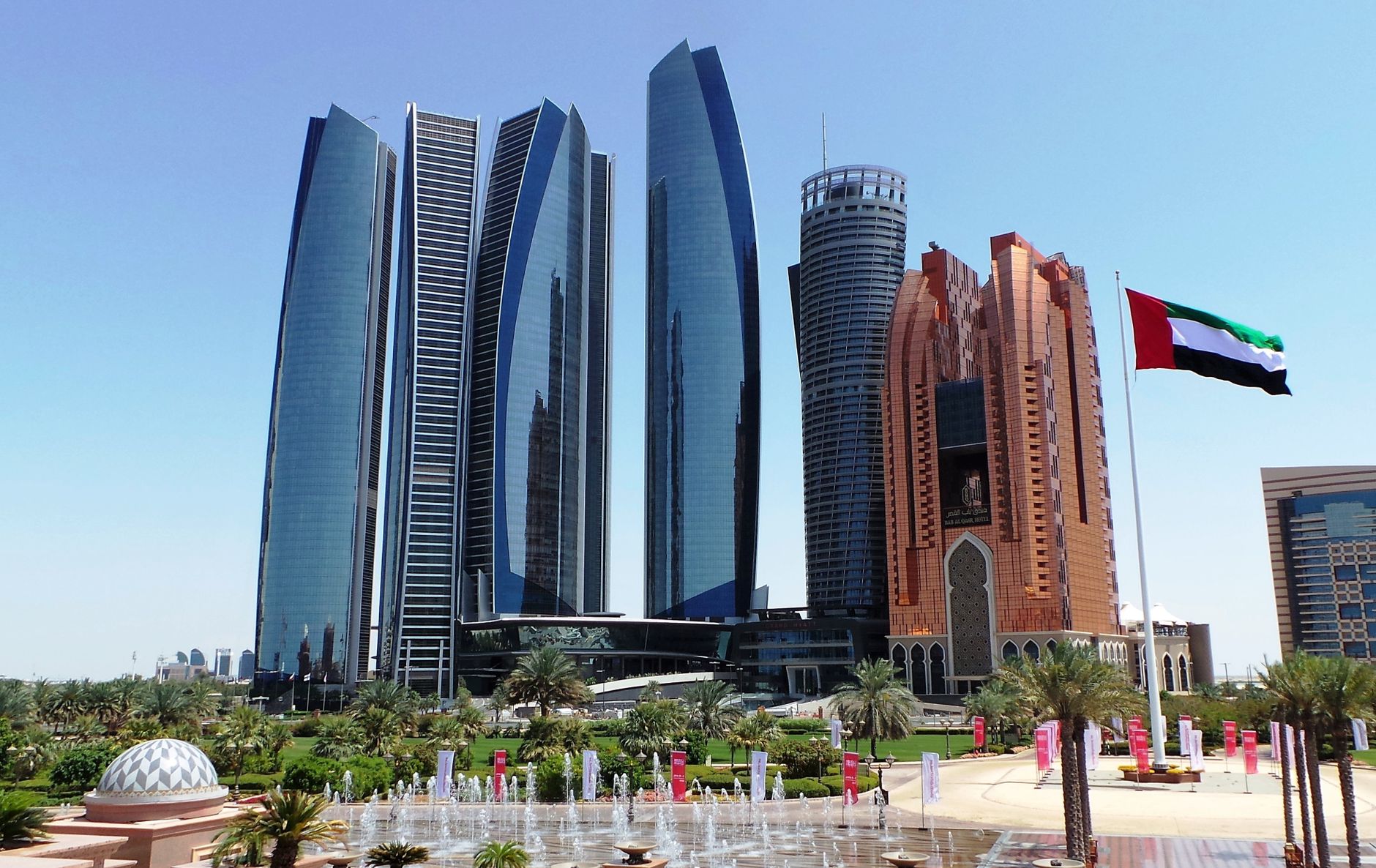
Abu Dhabi's sovereign wealth funds and state-owned enterprises have emerged as major investors in India over the past few years, pouring billions of dollars across multiple sectors. This strategic partnership between the UAE and India reflects shifting global investment patterns and offers important signals for investors tracking emerging market opportunities.
The Scale of Abu Dhabi's India Investments
The Abu Dhabi Investment Authority (ADIA), one of the world's largest sovereign wealth funds with assets exceeding $800 billion, has significantly increased its Indian portfolio. Recent investments span infrastructure projects, renewable energy ventures, technology startups, and real estate developments. The Mubadala Investment Company, another major Abu Dhabi sovereign fund, has similarly deployed substantial capital into Indian markets.
Between 2020 and 2024, UAE-based entities have committed over $50 billion to various Indian sectors, making the Gulf nation one of India's top foreign investment sources. This includes direct equity investments, joint ventures, and infrastructure financing across states.
Why Abu Dhabi Is Betting on India
Several strategic factors drive Abu Dhabi's investment appetite for India:
- **Diversification Away from Oil**: As Gulf nations prepare for a post-oil economy, they're seeking growth opportunities in fast-expanding markets. India's projected GDP growth of 6-7% annually makes it attractive for long-term capital deployment.
- **Demographic Dividend**: India's young, tech-savvy population of 1.4 billion represents a massive consumer market. Abu Dhabi investors are positioning themselves to benefit from rising incomes and consumption patterns.
- **Infrastructure Gap**: India requires an estimated $1.4 trillion in infrastructure investments by 2025. Abu Dhabi's capital helps fill this gap while generating stable returns through roads, ports, airports, and urban development projects.
- **Energy Transition Opportunities**: India's renewable energy targets—500 GW of non-fossil fuel capacity by 2030—align with Abu Dhabi's expertise in solar and wind energy development.
- **Strategic Relationship**: The India-UAE Comprehensive Economic Partnership Agreement (CEPA) signed in 2022 has strengthened bilateral ties, reducing trade barriers and facilitating smoother investment flows.
Key Sectors Receiving Investment
Abu Dhabi capital has concentrated in specific high-growth areas:
**Infrastructure and Real Estate**: Investments in highway projects, logistics parks, warehousing facilities, and commercial real estate, particularly in Mumbai, Delhi, and Bangalore.
**Technology and Startups**: Abu Dhabi funds have participated in funding rounds for Indian fintech, e-commerce, and software-as-a-service companies, recognizing India's position as the world's third-largest startup ecosystem.
**Renewable Energy**: Joint ventures in solar parks, green hydrogen projects, and energy storage solutions support India's clean energy transition.
**Financial Services**: Strategic stakes in insurance companies, asset management firms, and digital payment platforms tap into India's financial deepening story.
What This Means for Retail Investors
Abu Dhabi's investment wave carries several implications for individual investors:
**Validation of India's Growth Story**: When sophisticated sovereign wealth funds commit billions, it signals confidence in India's long-term economic trajectory. This institutional validation can guide retail portfolio allocation decisions.
**Sectoral Opportunities**: Sectors attracting Abu Dhabi capital—infrastructure, renewables, technology—may offer growth potential. Investors can explore mutual funds, ETFs, or stocks in these areas.
**Market Stability**: Large institutional investors typically take long-term positions, potentially reducing market volatility and providing stability during uncertain periods.
**Co-Investment Opportunities**: Some infrastructure investment trusts (InvITs) and real estate investment trusts (REITs) backed by Abu Dhabi entities are available to retail investors, offering indirect participation in large-scale projects.
Risks to Consider
Despite positive signals, investors should remain aware of execution risks in infrastructure projects, regulatory changes affecting foreign investment, and currency fluctuation impacts. Additionally, geopolitical developments in the Gulf region or shifts in global energy markets could influence future investment flows.
The Abu Dhabi-India investment partnership reflects a strategic alignment between capital-rich Gulf nations and growth-hungry emerging markets. For investors, this trend underscores India's strengthening position in global capital flows and highlights sectors where long-term growth potential appears robust.
This article is for informational purposes only and does not constitute investment advice. Investors should conduct thorough research and consult with financial advisors before making investment decisions based on market trends or foreign investment flows.